A reported Saudi Arabia missile interception has renewed attention on security in the kingdom’s southwestern region after Arab coalition forces announced that they had destroyed a ballistic missile heading towards Khamis Mushait. The announcement came amid continuing regional security concerns and shortly after Saudi Civil Defence issued a warning about a potential threat in nearby Abha. Authorities did not disclose detailed information about the missile’s origin, the precise interception location or any possible damage.
Coalition Says Ballistic Missile Was Destroyed
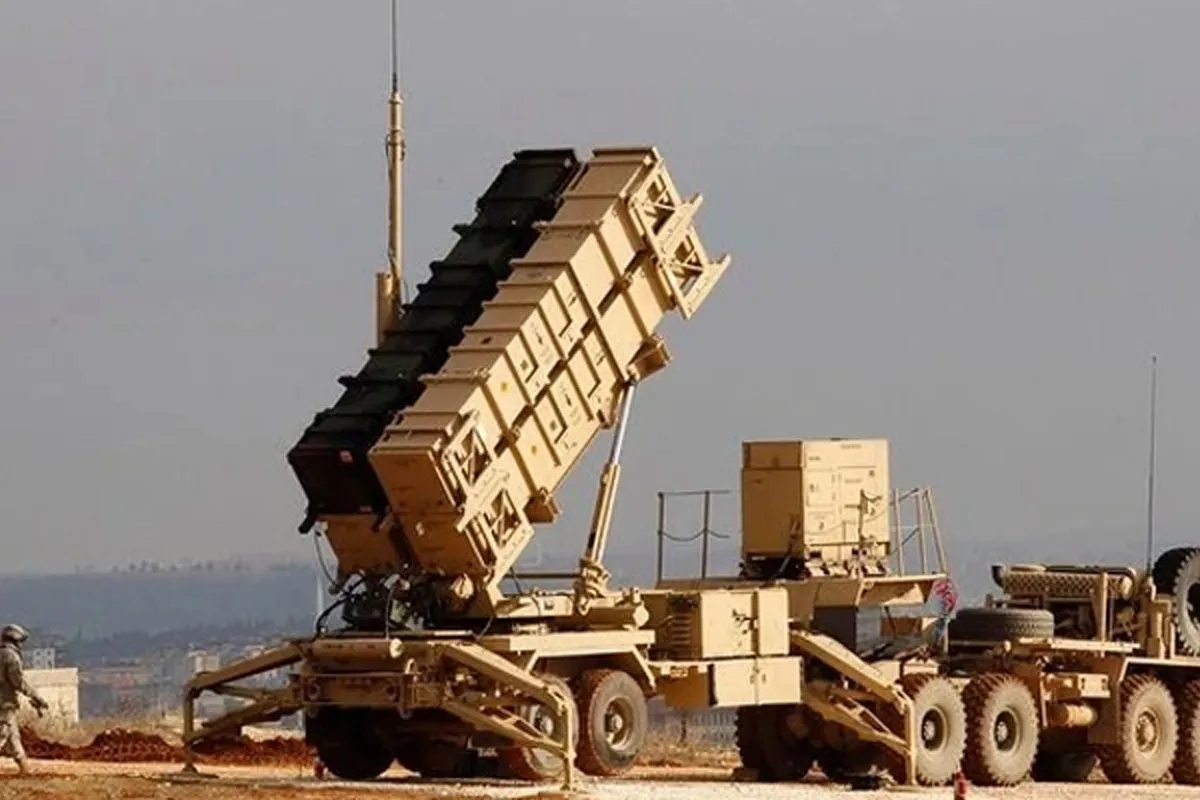
According to the coalition’s announcement, air-defence forces intercepted and destroyed the incoming missile before it reached its intended target. The statement did not identify the specific system used to carry out the interception or provide technical details about the weapon.
The reported Saudi Arabia missile interception highlights the role of air-defence systems in responding to potential aerial threats. Ballistic missiles travel at high speeds, meaning defence personnel may have limited time to detect an incoming weapon, assess its trajectory and determine the appropriate response.
However, the available information does not establish whether the missile caused any damage before interception or whether other projectiles were detected during the incident.
No casualties were reported in the information provided, but the absence of details means the full consequences of the incident remain unclear.
Civil Defence Issues Warning in Abha
The announcement followed a warning from Saudi Civil Defence about a potential threat in Abha, the regional capital of Asir province. The city is located near Khamis Mushait, making the alert relevant to the broader southwestern area.
Civil Defence warnings are intended to inform residents about possible hazards and encourage them to follow official instructions while authorities assess a situation. Such alerts can be issued when security agencies receive information that requires further investigation or precautionary action.
The relationship between the Abha warning and the reported missile interception was not fully explained in the available announcement. Authorities also did not confirm whether the warning had subsequently been lifted.
Residents should rely on official Saudi government and Civil Defence communications for verified information about local security conditions rather than unconfirmed social media reports.
Why Khamis Mushait Matters
Khamis Mushait is an important urban centre in southwestern Saudi Arabia, while Abha serves as the administrative capital of Asir province. Both are located in a region that has faced security concerns associated with the wider conflict involving Yemen and the Saudi-led coalition.
The location makes reports of incoming missiles particularly significant for regional security monitoring. Nevertheless, the precise target of the intercepted missile and the circumstances surrounding its launch have not been independently established in the information available.
The latest Saudi Arabia missile interception also demonstrates why authorities maintain coordination between military defence units and civil protection agencies. While air-defence forces focus on detecting and engaging incoming weapons, emergency services are responsible for communicating warnings and helping residents respond to potential dangers.
Background to Saudi Arabia and the Houthis
The Houthi movement, which controls significant territory in Yemen, has been involved in a prolonged conflict with Yemen’s internationally recognised government and the Saudi-led coalition. The conflict has included cross-border attacks, military operations and periods of diplomatic engagement.
Saudi Arabia has previously reported missile and drone threats linked to the conflict. However, responsibility for each individual incident should be established through verified evidence and official findings.
In this case, the available announcement did not provide conclusive details identifying the missile’s launch point or confirming who fired it. Any attribution beyond what authorities have stated should therefore be treated cautiously.
The broader conflict has created continuing security challenges for countries in the region, particularly where military operations and diplomatic efforts overlap.
Importance of Air Defence and Emergency Coordination
Air-defence capabilities are designed to detect, track and respond to aerial threats before they reach populated areas or sensitive facilities. Their effectiveness depends on early warning, accurate tracking, trained personnel and coordination between different defence systems.
At the same time, public safety depends on clear communication. Timely warnings can help residents understand whether precautions are necessary and where to obtain reliable updates.
The reported Saudi Arabia missile interception underlines the importance of these measures, although the coalition has not released enough technical information to assess the operation in detail.
Authorities have also not announced whether the incident prompted additional deployments, changes to local security arrangements or further public warnings.
The immediate questions concern the missile’s origin, the circumstances of its interception and whether the incident was connected to the warning issued in Abha. Further official statements would be needed to clarify these points.
The coalition has reported that the ballistic missile was destroyed before reaching its intended target. Details about casualties, property damage and the specific air-defence system involved remain unconfirmed in the available information.
The Saudi Arabia missile interception serves as a reminder that security concerns linked to the Yemen conflict continue to affect regional planning and emergency preparedness. Further verified information from Saudi authorities will be important in establishing the full circumstances of the incident and determining whether additional measures are required.