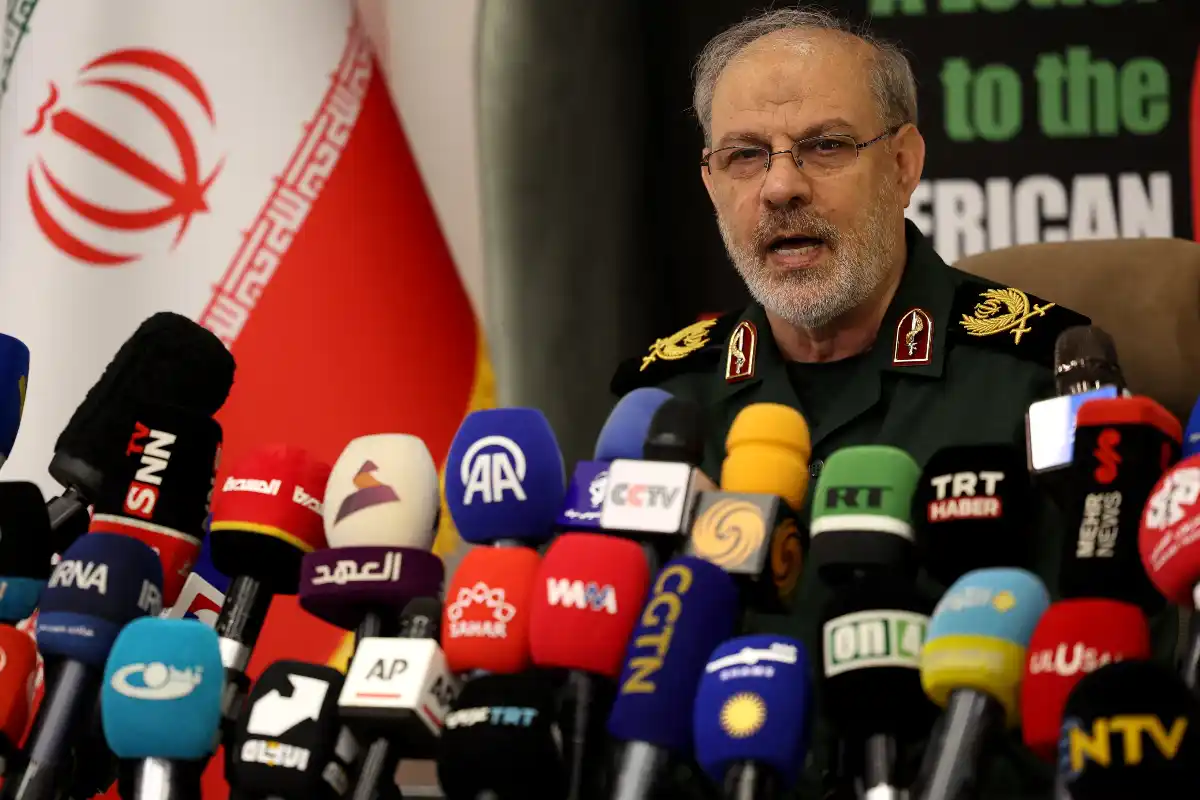
Iran’s Revolutionary Guard has sharply criticized US President Donald Trump over the conflict with Tehran, with spokesperson Hossein Mohebbi calling him a “big liar” and rejecting Washington’s claims about Iran’s nuclear programme and control of the Strait of Hormuz. The remarks came Tuesday as tensions remained high over the strategic waterway and the wider conflict between the two countries.
Iran Rejects US Nuclear Claims
Mohebbi argued that the United States knows Iran is not seeking to develop nuclear weapons. According to his comments, Washington’s dispute with Tehran is instead focused on the scale of Iran’s broader capabilities.
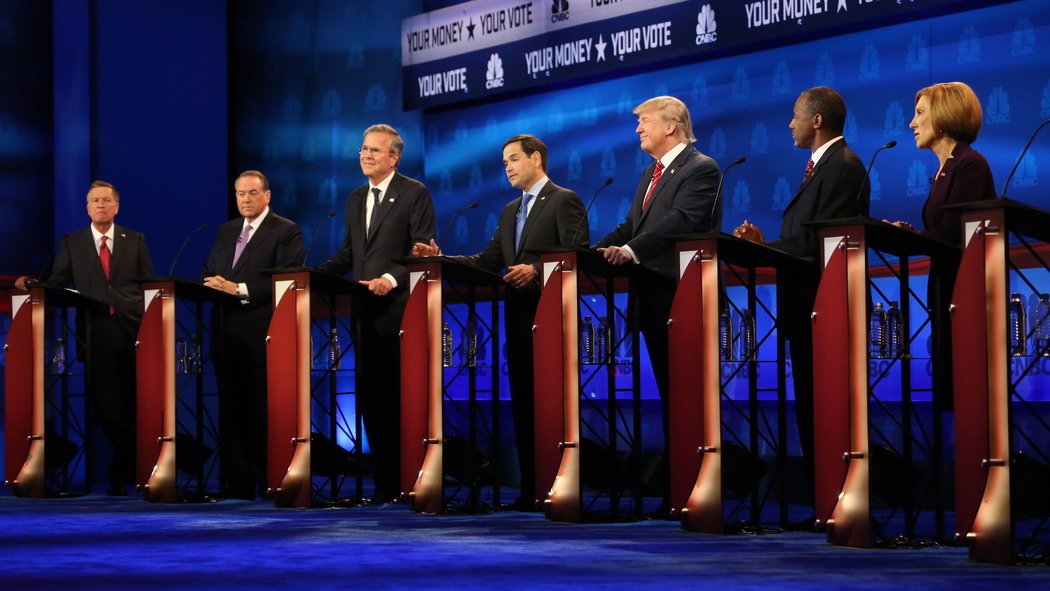
His remarks directly challenge Trump’s stated justification for the conflict. Trump has repeatedly said that preventing Iran from developing a nuclear weapon is one of the reasons behind the US military campaign.
The opposing statements highlight the deep disagreement between Washington and Tehran over the reasons for the conflict. Iran continues to reject the US characterization of its nuclear ambitions, while the Trump administration has presented the issue as an important security concern.
Dispute Over the Strait of Hormuz
A major part of Mohebbi’s comments focused on the Strait of Hormuz, one of the world’s most important energy shipping routes.
The IRGC spokesperson rejected US claims that Iran has lost most of its influence over the waterway. He argued that the ability of US forces to protect individual oil tankers does not necessarily mean the entire route has returned to normal commercial operations.
Mohebbi said that even if American forces can escort small vessels through the area under difficult and risky conditions, that should not be interpreted as evidence that the Strait of Hormuz is fully open.
His comments represent the position of Iran’s Revolutionary Guard and should be distinguished from independent assessments of shipping conditions.
Oil Flows Begin to Recover
Available shipping data indicates that oil movement through the Strait of Hormuz has increased from the very low levels seen earlier in the conflict.
Reuters, citing Kpler data, reported that crude transits through the waterway, including related ship-to-ship activity in the Gulf of Oman, had reached about 9 million barrels per day on a seven-day average through September 22. That was significantly higher than the late-July figure of about 2.2 million barrels per day, although still below normal pre-conflict levels.
The increase suggests that some energy shipments are once again moving through the route, even as restrictions, security concerns and military activity continue to affect commercial shipping.
The Strait of Hormuz remains particularly important because disruptions there can affect oil supplies and international energy markets. Gulf producers have also used alternative pipelines and export routes to reduce their dependence on the waterway.
Iran Says US Claims Do Not Tell the Full Story
Mohebbi’s comments reflect Tehran’s argument that the situation surrounding the Strait of Hormuz is more complicated than US statements suggest.
Iran has previously used its position around the waterway as a source of strategic leverage. At the same time, US military operations and alternative export routes have allowed a growing volume of Gulf oil to reach international markets.
Recent Reuters reporting showed that crude exports from major Middle Eastern producers climbed to about 12.8 million barrels per day in September, their highest level since the conflict began. Increased shipments from Saudi Arabia and the United Arab Emirates contributed to the recovery.
This means the current situation is neither a complete shutdown nor a return to normal conditions. Oil continues to move, but through a combination of protected shipping, alternative routes and changing security arrangements.
Economic Pressure Adds to the Tensions
The dispute over the Strait of Hormuz is also connected to wider economic pressure on Iran.
A US naval blockade and sanctions have severely affected Iranian oil exports. Reuters reported earlier in September that Iranian crude exports through the waterway had fallen dramatically, placing additional pressure on Tehran’s access to foreign currency.
Iranian officials, meanwhile, have continued to seek ways to reopen the waterway and reduce the economic impact of the conflict. Indirect discussions involving regional mediators have also focused on the possibility of reopening the Strait of Hormuz as part of broader negotiations.
A Strategic Dispute With Global Consequences
The latest comments from Mohebbi show that the disagreement between Iran and the United States extends beyond the nuclear issue. Control, access and security around the Strait of Hormuz remain central elements of the confrontation.
For global energy markets, the situation is being closely watched because any major disruption could affect oil supplies, shipping costs and fuel prices. At the same time, the recovery in regional exports shows that Gulf producers have found alternative ways to keep significant volumes of crude moving.
The future of the Strait of Hormuz will therefore depend not only on military developments but also on diplomatic negotiations and the ability of regional producers to maintain alternative supply routes. For now, Iran and the United States continue to present sharply different accounts of the situation, leaving the strategic waterway at the center of one of the region’s most important disputes.