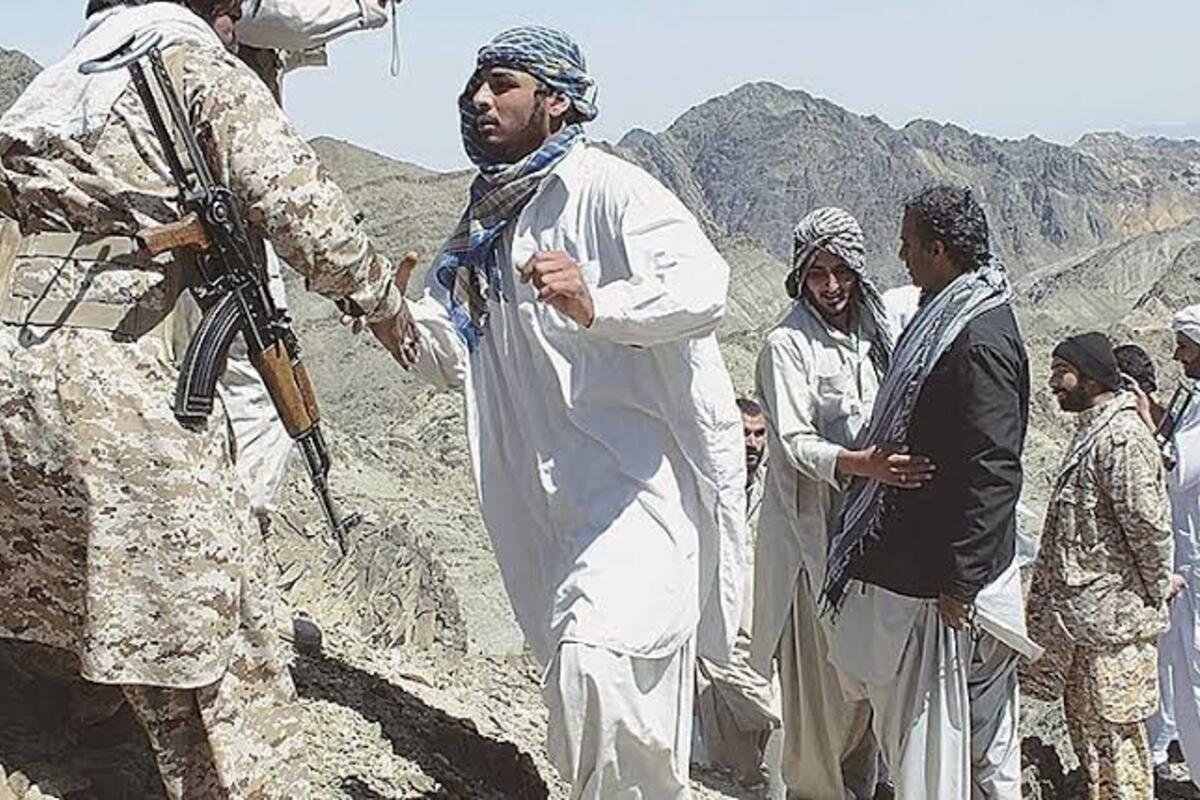
Iranian security forces have carried out two surprise operations against Jaish al-Adl in southeastern Iran, according to Iranian authorities, resulting in one militant being killed, six arrests and the recovery of a large quantity of weapons and explosives. The operations took place in Saravan County in Sistan and Baluchestan Province, an area that has experienced repeated militant activity in recent years.
The operations were conducted by personnel from Iran’s Law Enforcement Command, known as FARAJA, in coordination with the Islamic Revolution Guards Corps (IRGC) Ground Force and the Ministry of Intelligence. Officials said the coordinated action was designed to disrupt militant networks operating in the region.
Security Forces Launch Surprise Raids
Police spokesman General Saeed Montazer al-Mahdi said the operations were carried out on Friday after security forces identified individuals allegedly connected with the militant group.
According to the official account, one militant was neutralized while six others were arrested. Authorities also seized a substantial cache of military equipment and ammunition during the raids.
The recovered material reportedly included dozens of Kalashnikov assault rifles, hand grenades and RPG-7 rocket-propelled grenade launchers. Security forces also found around 20 kilograms of C-4 explosives and approximately 150 rounds of live ammunition.
The seizure of such material could be significant for investigators because it may provide information about the capabilities, planned activities and wider network of the suspected militants.
Weapons and Explosives Recovered
The reported recovery of C-4 explosives was among the most notable elements of the operation. Explosives of this type can be used to cause serious damage when deployed in attacks against infrastructure or security personnel.
Iranian authorities did not provide detailed information about how the weapons were allegedly intended to be used or whether specific attacks had been planned.
The discovery of RPG-7 launchers and assault rifles, however, indicates that security forces believe the suspected network had access to substantial military equipment.
Authorities are expected to investigate the seized materials as part of efforts to establish connections between the arrested individuals and previous attacks.
Starlink Terminals Also Seized
Another notable aspect of the operation was the reported discovery of several Starlink satellite internet terminals.
According to the police spokesman, the equipment was seized from the militants during the raids. Satellite communications can provide internet access in areas where conventional telecommunications infrastructure is unavailable or disrupted.
Iranian authorities have increasingly focused on communications technology as part of investigations into militant networks and security threats.
The presence of satellite internet equipment could therefore become an important part of the investigation, although officials have not publicly explained how the terminals were allegedly being used.
Suspects Linked to Earlier Attacks
General Montazer al-Mahdi said the arrested individuals were directly connected to previous deadly attacks against Iranian security forces and IRGC personnel in the region.
Sistan and Baluchestan has long faced security challenges involving armed groups, cross-border trafficking networks and militant organizations.
Iranian authorities have frequently reported clashes and counterterrorism operations in the province. The region’s geography and proximity to Pakistan and Afghanistan also make security management particularly challenging.
The latest operation reflects Tehran’s continued effort to target suspected militant networks before they can carry out further attacks.
Why Sistan and Baluchestan Matters
Sistan and Baluchestan is one of Iran’s most strategically sensitive provinces. Its location along the country’s southeastern borders makes it an important area for both national security and regional trade.
The province has also experienced periodic violence involving militant groups, including Jaish al-Adl, which Iran has designated as a terrorist organization.
Iranian officials have repeatedly accused the group of carrying out attacks against security forces and other targets. The group has claimed responsibility for several attacks in the past, while Iranian authorities have responded with military and intelligence operations.
Security operations in the region therefore remain an important part of Iran’s wider counterterrorism strategy.
Coordinated Response
The involvement of FARAJA, the IRGC Ground Force and the Ministry of Intelligence highlights the multi-agency approach being used by Iranian authorities.
Each organization has different responsibilities within Iran’s security structure. Cooperation between law enforcement, intelligence agencies and military forces can allow authorities to combine information gathering with operational capabilities.
In this case, officials said the coordinated forces were able to arrest six suspects and recover weapons and explosives during two separate operations.
Further investigations will likely determine whether the arrested individuals were part of a larger network and whether additional suspects or weapons caches remain in the area.
The arrests and seizures are likely to lead to further security investigations in Sistan and Baluchestan. Iranian authorities may examine the recovered weapons, ammunition and communication equipment for evidence that could identify additional members of the suspected network.
The government is also likely to continue monitoring areas where militant activity has previously been reported.
For residents of the province, repeated security operations highlight the continuing challenges faced by communities living in a region where militant violence and security concerns have remained persistent.
The latest raids represent another effort by Iranian security agencies to disrupt Jaish al-Adl networks and prevent further attacks. While authorities have reported immediate gains through arrests and weapons seizures, the broader security challenge will depend on whether investigators can identify and dismantle the wider networks behind militant activity in the region.