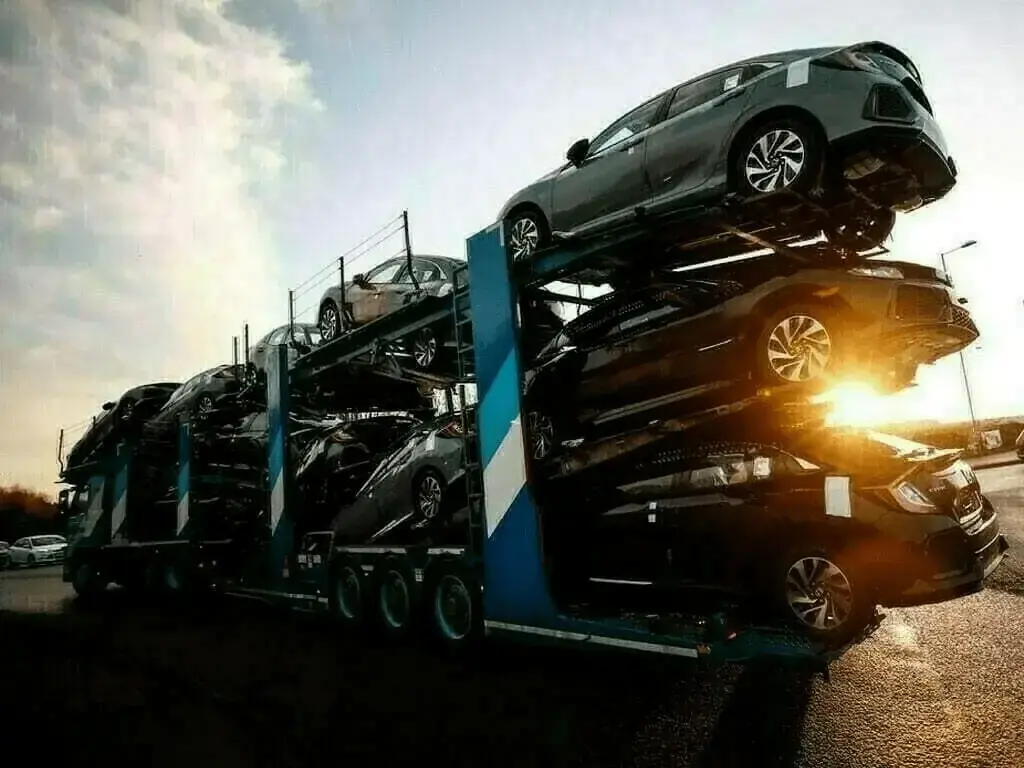
Pakistan car sales recorded a remarkable increase at the beginning of fiscal year 2026-27, rising by 141% in July compared with the same month last year. According to data released by the Pakistan Automotive Manufacturers Association (PAMA), car sales reached 17,216 units in July 2026, compared with just 7,135 units in July 2025. The sharp increase points to improving consumer confidence and stronger demand for vehicles.
The significant rise in Pakistan car sales comes at a time when the automotive industry is showing early signs of recovery. Experts believe that easier bank leasing policies and lower borrowing costs have encouraged consumers to consider purchasing vehicles. Although the car segment remains relatively small compared with motorcycles and other vehicles, the strong July performance has provided a positive start to the new fiscal year.
Easier Auto Financing Boosts Demand
One of the major factors behind the rise in Pakistan car sales is the improvement in auto financing conditions. Banks have gradually made vehicle leasing more accessible, while interest rates have fallen significantly from previous highs.
The State Bank of Pakistan kept its policy rate unchanged at 11.5% during its first Monetary Policy Committee meeting of FY2026-27 on July 27. Although the rate remained unchanged, the overall improvement in financing conditions has helped make vehicle purchases more affordable for some consumers.
Auto sector analyst Mashood Khan described the increase in July sales as encouraging. He noted that the growth was particularly positive given the relatively limited size of Pakistan’s passenger car market.
Other Vehicle Segments Show Mixed Performance
The growth was not limited to passenger cars. Sales of two- and three-wheelers, including motorcycles and rickshaws, increased by 40.7%, reaching 177,089 units during July 2026.
Truck sales also recorded a substantial increase of 169%, reaching 854 units. Bus sales rose by 14% to 65 units. These figures suggest that demand for commercial transportation may also be improving as economic activity gradually strengthens.
However, the performance of jeeps and pickups was weaker. Sales in this category declined by 33% to 2,602 units. Analysts attributed part of the decline to changing consumer preferences and the growing availability of SUV models in Pakistan. The expanding SUV market has created greater competition for traditional jeep models.
Tractor Market Begins to Recover
Pakistan’s agricultural machinery market also showed signs of improvement. Tractor sales increased by 4% in July, reaching 1,242 units.
Analyst Muhammad Sabir Shaikh linked the recovery partly to the Punjab government’s tractor scheme, which has provided support to farmers looking to purchase agricultural machinery. Improved economic conditions for growers may also have encouraged farmers to invest after several months of weak tractor demand.
The modest increase is significant because tractor sales experienced a largely downward trend during the previous fiscal year.
Localisation Remains a Major Challenge
Despite the strong beginning for Pakistan car sales, industry experts believe the automotive sector still faces several structural challenges. One of the most important is the need for greater localisation of vehicles and auto parts.
Mashood Khan has called for increased local manufacturing, arguing that producing more components domestically could strengthen the national economy. Greater localisation could also reduce dependence on imported parts and help the industry become more resilient against external economic pressures.
The government is currently reviewing several issues affecting the automotive sector. A committee led by Power Minister Sardar Awais Leghari recently discussed problems surrounding the proposed Auto Sector Development Policy 2026-31.
Among the concerns raised by industry representatives are increasing imports of completely built units (CBUs) and delays in announcing proposed reductions in sales tax. Manufacturers have warned that lower tariffs on imported vehicles could increase pressure on domestic producers.
What Lies Ahead for the Auto Industry?
The July figures provide an encouraging start for Pakistan car sales, but maintaining this momentum will depend on several factors. Interest rates, consumer purchasing power, exchange-rate stability, vehicle prices and government policies will all influence demand in the coming months.
If financing conditions remain supportive and economic activity continues to improve, vehicle sales could maintain their upward trend. However, manufacturers will also need to address production costs, localisation and competition from imported vehicles.
The strong July performance demonstrates that demand for automobiles can respond quickly when financing becomes easier and economic confidence improves. For Pakistan’s automotive industry, the challenge now is to turn this early surge into sustainable growth while ensuring that local manufacturing and employment also benefit.
With passenger vehicles, motorcycles, commercial vehicles and tractors all showing varying degrees of improvement, the first month of FY2026-27 has delivered several positive signals. The coming months will determine whether this recovery represents a temporary jump or the beginning of a broader revival in Pakistan’s automotive market.