The IRGC strikes on U.S. military bases have become a major topic of discussion after Iran’s Islamic Revolutionary Guard Corps (IRGC) claimed it carried out a series of coordinated military operations targeting American military infrastructure across the region. According to Iranian officials, the attacks took place over a two-week period following July 6 and were aimed at demonstrating Iran’s military readiness and deterrence capabilities. While the claims have attracted significant international attention, they also highlight the continuing tensions between Iran and the United States in an already volatile region.
Iran Details the Military Operations
According to the IRGC, the operations targeted multiple U.S. military facilities using what it described as carefully planned and precise strikes. Iranian officials claimed the attacks focused on key military assets rather than civilian infrastructure.
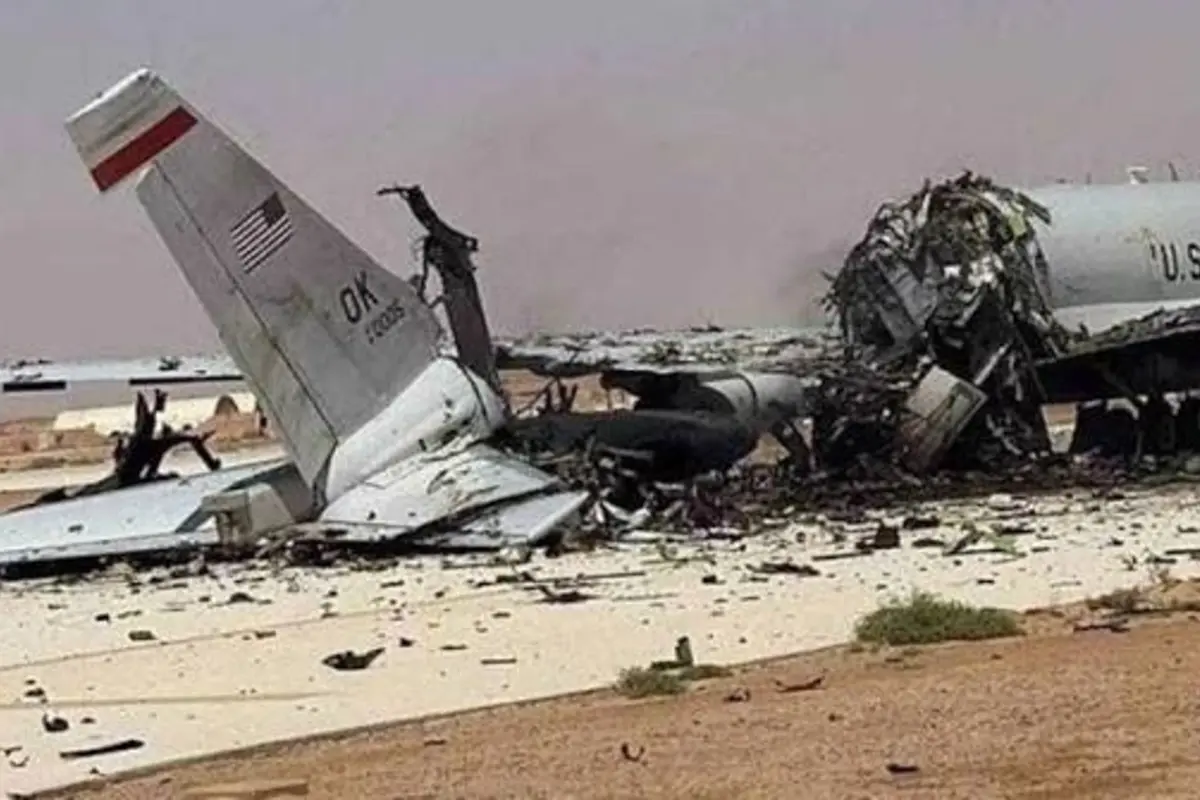
The IRGC spokesperson stated that the operations resulted in the destruction of several aircraft, surveillance systems, fuel storage facilities, radar installations, and ammunition depots. Among the equipment reportedly damaged were fighter jets, surveillance drones, transport aircraft, aerial refueling tankers, and military helicopters.
Iran described these actions as part of a broader strategy to demonstrate its ability to respond effectively to perceived threats while reinforcing its military preparedness.
Claimed Damage to Military Infrastructure
Iranian officials also outlined what they described as extensive damage to military infrastructure during the operations.
According to the statement, the strikes allegedly targeted command-and-control radar centers, satellite communication systems, Patriot radar units, early-warning radar installations, missile bunkers, missile launch platforms, fuel storage facilities, and ammunition depots.
The IRGC further claimed that several military hangars, data centers, and AI-powered data processing facilities were also affected. These facilities play an important role in supporting military coordination, logistics, communications, and intelligence gathering.
The reported scale of the damage, if accurate, would represent a significant military operation aimed at weakening strategic capabilities.
Iran’s Strategic Message
Iran presented the IRGC strikes on U.S. military bases as a demonstration of its defensive strength rather than an attempt to expand conflict. Officials argued that the operations reflected the country’s ability to carry out coordinated responses while protecting its national security interests.
The IRGC stated that the operations reinforced Iran’s readiness to respond to future threats and demonstrated the effectiveness of its military planning and precision capabilities.
Iranian officials also suggested that the strikes had altered the regional security landscape by signaling the country’s willingness to respond quickly to military pressure.
Rising Regional Tensions
The announcement comes amid ongoing instability across the Middle East, where geopolitical rivalries continue to shape regional security.
Relations between Iran and the United States have remained tense for years due to disagreements over regional influence, sanctions, military deployments, and security concerns. Recent developments have further increased uncertainty, prompting close attention from governments and international observers.
Military activities involving regional powers often raise concerns about the possibility of wider escalation, making diplomatic engagement increasingly important.
Military Technology and Modern Warfare
The reported targets highlight the growing importance of advanced military technology in modern conflicts.
Today’s armed forces rely heavily on radar systems, satellite communications, surveillance drones, artificial intelligence, data processing centers, and precision-guided technologies to coordinate operations and gather intelligence.
Military analysts often note that disabling command systems and communication networks can significantly affect operational effectiveness without necessarily requiring prolonged ground engagements.
As technology continues to evolve, cyber capabilities, autonomous systems, and AI-assisted decision-making are becoming increasingly important components of national defense strategies.
International Attention and Verification
Claims involving military operations of this scale typically receive significant international scrutiny.
Governments, defense analysts, and independent organizations generally seek additional evidence before drawing firm conclusions regarding reported battlefield damage. In situations involving active geopolitical disputes, official statements from one side are often reviewed alongside information from multiple independent sources.
Such verification is important because military claims can sometimes differ from independently confirmed assessments, especially during periods of heightened tension.
For this reason, international observers continue monitoring developments closely as more information becomes available.
Impact on Regional Security
Whether or not all reported claims are independently verified, the announcement underscores the fragile security environment in the Middle East.
Military exchanges involving major regional powers can influence diplomatic relations, energy markets, commercial shipping routes, and broader geopolitical stability. Any increase in hostilities also raises concerns among neighboring countries seeking to avoid further escalation.
Regional organizations and international partners have repeatedly emphasized the importance of dialogue, restraint, and peaceful conflict resolution to reduce tensions and maintain stability.
The IRGC strikes on U.S. military bases represent another significant development in the complex relationship between Iran and the United States. Iran has portrayed the reported operations as evidence of its military preparedness and deterrence capabilities, while the broader international community continues to assess the implications for regional security.
As geopolitical tensions remain high, diplomacy is likely to remain a critical tool for preventing further escalation. Alongside military preparedness, continued dialogue between regional and global stakeholders will play an important role in promoting stability and reducing the risk of future conflict.
The coming weeks may provide greater clarity regarding the reported operations, their strategic impact, and their influence on the broader security environment across the Middle East.