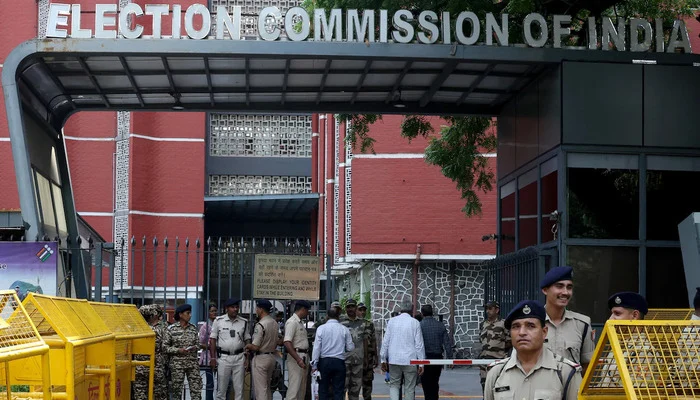
India’s Election Commission has ordered a review of its voter-roll software following concerns about changes to voter lists and reports that millions of names may have been excluded. The India voter roll review was announced on Saturday after a newspaper report said senior election officials had questioned Chief Election Commissioner Gyanesh Kumar over the handling of voter-list updates.
The issue has triggered renewed political debate in India, with opposition parties questioning the transparency of the voter-registration process. They have alleged that changes to electoral rolls could benefit Prime Minister Narendra Modi’s Bharatiya Janata Party (BJP). The Election Commission, however, has rejected allegations of wrongdoing and said differences within the institution are normal while maintaining that its actions have been lawful.
Election Commission Orders Software Review
Under the new decision, a committee led by a senior election official will examine the software used in the preparation and updating of voter rolls. The committee will also include an independent technology expert who will assess whether the system complies with election laws and established rules.
The India voter roll review follows a report by The Indian Express, which said two election commissioners had raised questions or expressed concerns to Gyanesh Kumar at least 14 times over a period of 10 months.
According to the report, most of the concerns were related to the process used to update voter lists. The process began last year and has become a significant issue amid wider political disagreements over electoral administration.
The Commission’s decision to examine its software is intended to assess whether the technology used for voter-list management is operating according to the required legal and procedural standards.
Opposition Raises Questions
Opposition parties have repeatedly raised concerns about voter-list changes and demanded greater transparency from the Election Commission. They have alleged that large-scale changes could affect eligible voters and potentially influence electoral competition.
The allegations remain disputed. The Election Commission has maintained that differences of opinion among officials do not necessarily indicate wrongdoing and has stated that its decisions have followed the law.
The India voter roll review therefore comes amid competing claims about the integrity and administration of electoral rolls. A formal examination of the software could provide additional information about how voter data is processed and how discrepancies are identified.
The controversy has also attracted attention from youth-led political groups. The Cockroach Janta Party (CJP) has demanded the resignation of Chief Election Commissioner Gyanesh Kumar. The group said it would begin nationwide protests on October 2 if Kumar did not step down by Saturday.
New Approach to Voter Discrepancies
Alongside the software review, the Election Commission announced a change in the way certain voter discrepancies will be handled.
Instead of routinely requiring voters whose information has been flagged to visit government offices, local officials will visit those voters directly. The move could reduce the administrative burden on individuals who need to clarify or verify information connected to their voter registration.
This measure is particularly relevant because voter-roll verification can involve large numbers of people across different regions. Visiting voters directly could provide officials with an additional method of checking disputed or inconsistent information.
The India voter roll review will also give authorities an opportunity to examine whether existing digital processes are identifying discrepancies accurately and whether further safeguards are required.
Why Voter Rolls Matter
Voter lists are a fundamental part of any electoral system because they determine who is officially registered to participate in elections. Errors can occur for several reasons, including changes of residence, duplicate records, deaths, incorrect personal information or administrative updates.
For that reason, electoral authorities regularly revise voter rolls. At the same time, the process needs to provide mechanisms for eligible citizens to challenge errors and verify their registration.
The current controversy has placed additional attention on how India’s electoral authorities use technology to manage voter information. The committee’s findings could help clarify whether the software is functioning within the legal framework and whether changes are needed.
What Happens Next?
The committee will now examine the voter-roll software and its compliance with election rules. Its assessment could provide further information about the concerns raised by election officials and political parties.
For the Election Commission, the India voter roll review represents an opportunity to address questions surrounding the technical systems used in voter-list management. For political parties and voters, the findings may offer greater clarity about how electoral records are updated and discrepancies are resolved.
The controversy remains politically contested, with opposition parties continuing to raise allegations while the Election Commission maintains that its actions have been lawful. Until the committee completes its examination, the full extent and significance of the reported voter-roll issues remain a matter for further review.
The India voter roll review is therefore likely to remain an important issue in the country’s electoral debate as officials work to assess the software, verify voter information and address concerns about the accuracy and administration of electoral rolls.