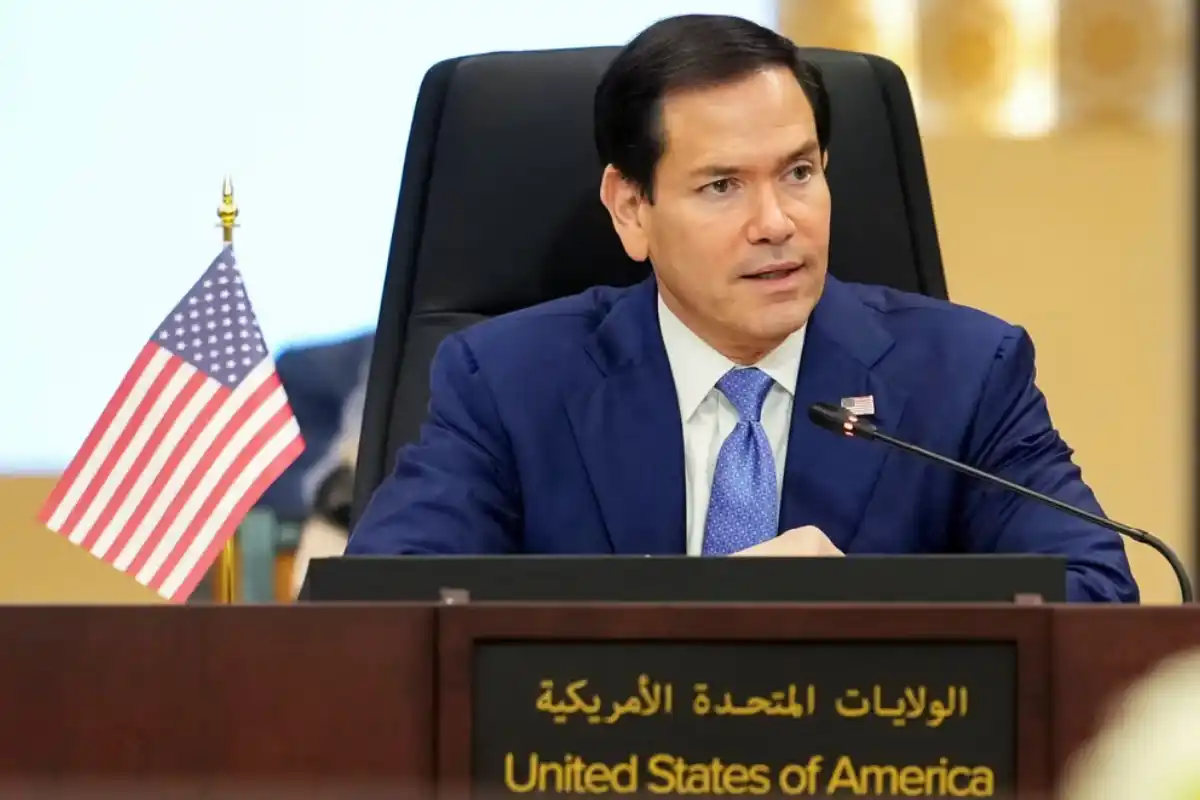
The Marco Rubio Iran deal discussion has once again brought US-Iran relations into the global spotlight. During a meeting with Gulf foreign ministers in Bahrain, US Secretary of State Marco Rubio emphasized that Washington is open to reaching a diplomatic agreement with Iran, but only if it protects American interests and the security of its regional allies. His remarks highlighted the United States’ willingness to pursue peace while making it clear that any future agreement must be practical, enforceable, and long-lasting.
Rubio’s comments come at a time when diplomatic efforts between the United States and Iran continue amid ongoing debates over regional security, sanctions, and maritime navigation. His message reflected a balanced approach, combining optimism for diplomacy with firm conditions for any future settlement.
US Open to Diplomacy With Iran
Speaking during the regional meeting, Rubio stressed that the United States remains committed to finding a peaceful solution through negotiations. However, he clarified that Washington would not accept an agreement that compromises national security or weakens the interests of its Gulf allies.
The Marco Rubio Iran deal position signals that the US administration prefers diplomacy over confrontation, provided Iran demonstrates a genuine commitment to peaceful relations and responsible regional behavior.
According to Rubio, the United States hopes Iran will prioritize the well-being of its own citizens instead of pursuing policies that create instability in the region.
Focus on Regional Stability
Regional security remains one of the biggest concerns in US-Iran relations. Rubio stated that any future agreement should contribute to stability across the Middle East rather than create new tensions.
He explained that lasting peace requires more than temporary political agreements. Instead, it must include clear commitments that reduce conflict, encourage cooperation, and strengthen trust among neighboring countries.
The Marco Rubio Iran deal framework reflects Washington’s view that diplomacy should improve long-term security instead of offering only short-term political gains.
Strait of Hormuz Remains a Key Issue
One of the major topics discussed was the strategic Strait of Hormuz, one of the world’s most important maritime trade routes. Rubio made it clear that the United States does not believe the waterway belongs to any single country.
He also dismissed Iran’s recent descriptions regarding shipping charges, referring to them as a matter of “semantics.” His comments reinforced the US position that international shipping must remain free and accessible for all nations.
The Strait of Hormuz carries a significant portion of global oil exports, making freedom of navigation critical for international trade and global energy markets.
Security Comes Before Any Agreement
Rubio repeatedly emphasized that peace should never come at the expense of national security. He explained that while Washington welcomes negotiations, every agreement must protect both American interests and those of partner nations in the Gulf.
This approach reflects the broader US foreign policy strategy of balancing diplomatic engagement with strong security commitments.
The Marco Rubio Iran deal discussion therefore focuses not only on improving relations with Tehran but also on ensuring that any agreement strengthens regional peace rather than weakening existing alliances.
Expectations From Iran
According to Rubio, meaningful progress depends largely on Iran’s future decisions. He suggested that stronger diplomatic ties would become possible if Iran focuses more on domestic development and economic prosperity instead of regional confrontation.
He expressed hope that Iran would choose a path centered on national progress and peaceful international cooperation.
Such changes, Rubio argued, could create new opportunities for dialogue and reduce tensions that have affected the region for decades.
Gulf Allies Remain a Priority
Rubio reassured Gulf nations that the United States remains committed to their security throughout any future negotiations.
He emphasized that Washington would never pursue an agreement that undermines the prosperity or safety of its regional partners. This message was particularly important given the strategic partnerships the United States maintains across the Gulf.
The Marco Rubio Iran deal approach therefore combines diplomacy with continued support for long-standing allies in the region.
Economic Importance of Peace
A successful agreement between Washington and Tehran could produce significant economic benefits beyond the political sphere.
Reduced regional tensions may improve investor confidence, stabilize energy markets, and support international trade. Businesses often respond positively when geopolitical risks decline, especially in regions connected to global oil supplies.
Greater stability around the Strait of Hormuz would also help ensure uninterrupted shipping, benefiting both producers and consumers worldwide.
Challenges Still Remain
Despite the positive tone surrounding diplomatic discussions, several challenges continue to stand in the way of a comprehensive agreement.
Long-standing disagreements over sanctions, nuclear activities, regional security, and verification mechanisms remain unresolved. Building trust after years of strained relations will require continued negotiations and mutual commitments from both sides.
Experts believe that while dialogue has resumed, reaching a final agreement could still take considerable time.
The latest Marco Rubio Iran deal remarks demonstrate that the United States remains willing to engage in diplomacy while maintaining firm security conditions. Rubio’s message was clear: Washington supports peace, but only if it protects American interests, preserves regional stability, and safeguards the security of Gulf allies.
As negotiations continue, the international community will closely watch whether both countries can transform diplomatic discussions into a durable agreement. If successful, such an outcome could improve regional stability, strengthen global energy security, and create new opportunities for economic cooperation. Until then, cautious optimism is likely to define the next phase of US-Iran diplomacy.