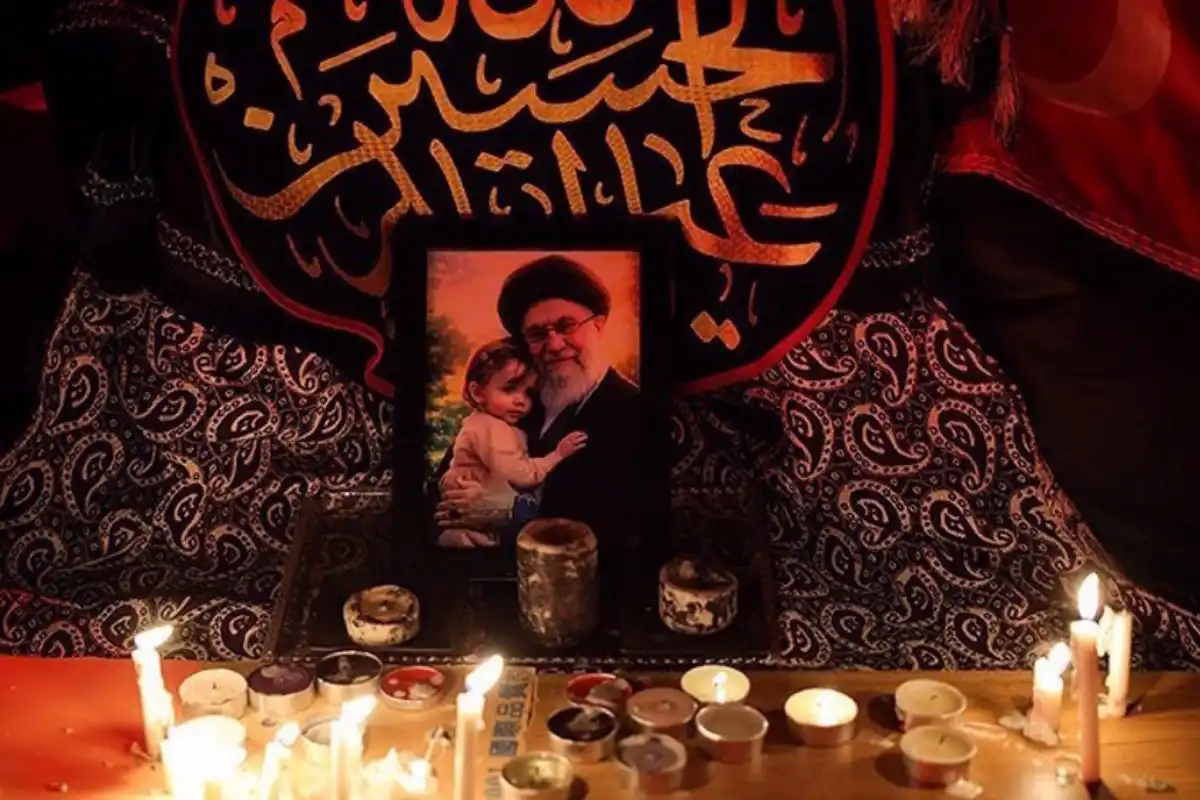
Ashura in Iran was observed with deep emotion and large public gatherings as millions of mourners across the country commemorated the martyrdom of Imam Hussein (AS) and his loyal companions. This year’s observance drew particular attention because it took place amid heightened regional tensions and recent political developments. During ceremonies held nationwide, religious leaders and public officials reflected on the enduring message of Karbala, emphasizing justice, sacrifice, and standing against oppression.
Across major cities and small towns, mourners dressed in black participated in traditional processions, recited elegies, and attended religious gatherings to remember the events of Karbala. The annual commemoration once again highlighted the central place of Ashura in the religious and cultural life of millions of Muslims.
The Meaning of Ashura
The significance of Ashura in Iran extends far beyond a historical remembrance. Ashura marks the 10th day of Muharram and commemorates the martyrdom of Imam Hussein (AS), the grandson of Prophet Muhammad (PBUH), who was martyred in the Battle of Karbala in 680 AD along with his small group of companions.
For Shia Muslims, the tragedy of Karbala symbolizes the struggle between truth and falsehood, justice and oppression. Every year, believers gather to remember the sacrifices made by Imam Hussein (AS), whose stand has inspired generations to uphold moral values even in the face of immense hardship.
Nationwide Processions and Religious Gatherings
This year’s Ashura in Iran witnessed large crowds gathering in mosques, streets, and public squares across the country. Traditional mourning rituals included chest-beating ceremonies, recitation of nohas and marsiyas, and the distribution of free meals, commonly known as nazri.
Families, volunteers, and charitable organizations worked together to prepare food and drinks for participants throughout the day. The spirit of generosity and community support remained a defining feature of the Ashura observances, reflecting the values of compassion and service associated with Imam Hussein’s legacy.
The ceremonies also brought together people from different age groups, demonstrating how the message of Karbala continues to resonate across generations.
Leaders Reflect on the Lessons of Karbala
During the observance of Ashura in Iran, President Masoud Pezeshkian addressed worshippers and emphasized that the message of Imam Hussein (AS) should be reflected through actions rather than words alone.
According to his remarks, the path of Imam Hussein represents dignity, justice, and resistance against oppression. He stressed that societies inspired by these principles should work toward eliminating poverty, hunger, and injustice while promoting fairness and compassion for all citizens.
His comments focused on the practical application of Karbala’s values in modern society, encouraging people to translate religious teachings into positive social action.
A Message Beyond Rituals
One of the key themes highlighted during Ashura in Iran was that mourning should not remain limited to symbolic ceremonies. Religious scholars frequently remind believers that Imam Hussein’s sacrifice carries lessons about honesty, courage, responsibility, and standing for what is right.
Many speakers encouraged communities to strengthen unity, help those in need, and promote peaceful coexistence through acts of kindness and justice.
This broader interpretation of Ashura continues to influence charitable activities, educational programs, and community initiatives across the country during the month of Muharram.
Regional Context
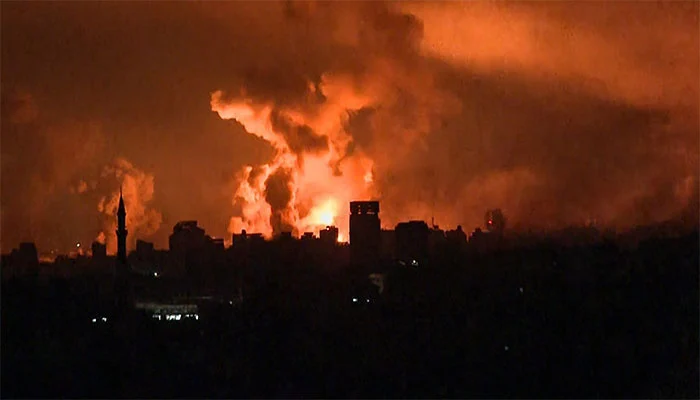
This year’s Ashura in Iran took place against the backdrop of continuing regional political tensions. Iranian officials connected the remembrance of Karbala with contemporary discussions about sovereignty, justice, and national resilience.
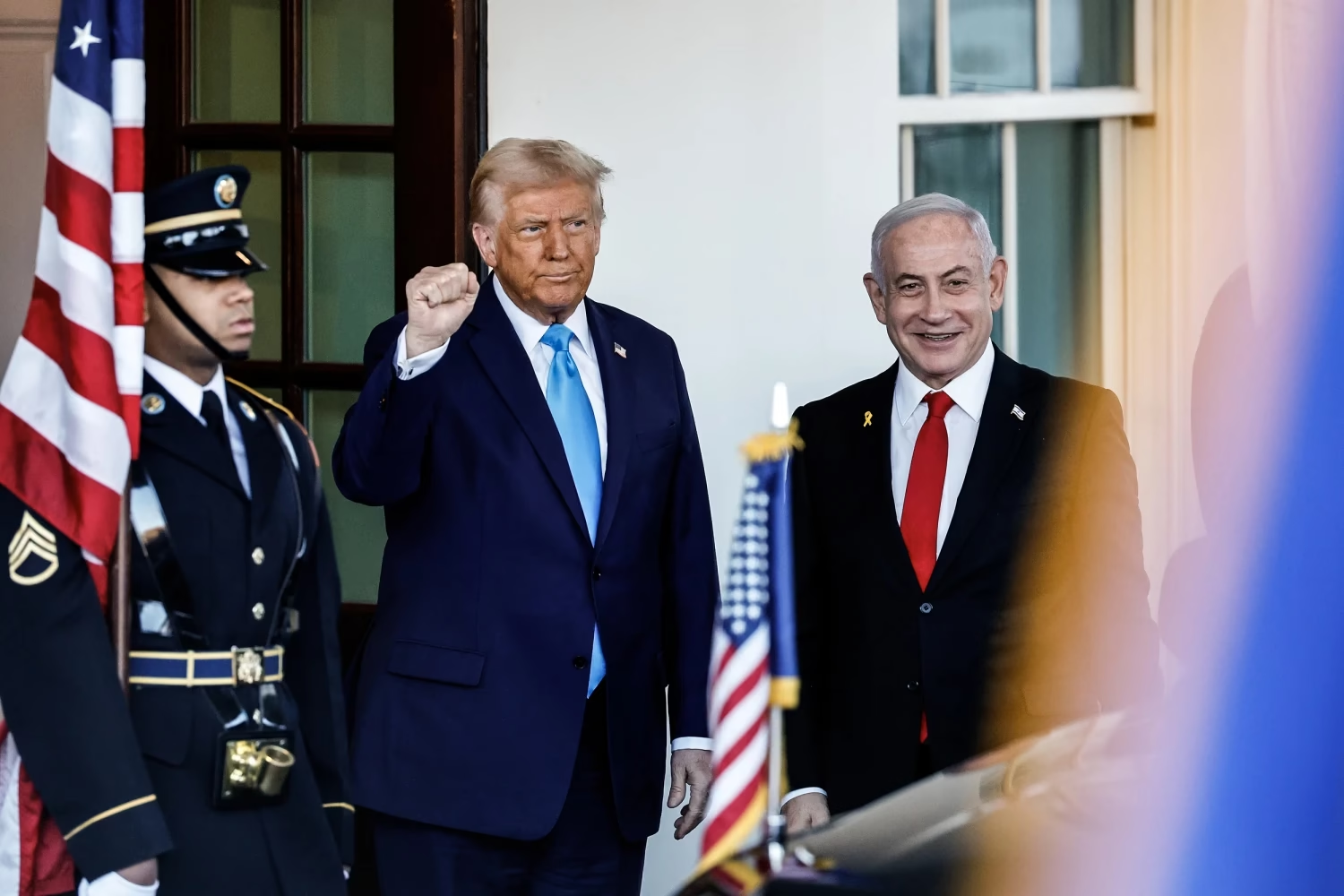
Some officials also made references to recent political and security developments while delivering speeches during Ashura gatherings. Such remarks reflected the government’s perspective on current regional events, although these views remain part of broader political discourse.
Despite these political elements, the primary focus of the nationwide ceremonies remained the religious significance of Imam Hussein (AS) and the timeless values associated with his sacrifice.
The Enduring Legacy of Imam Hussein (AS)
For centuries, the story of Karbala has remained a source of inspiration for millions of Muslims worldwide. The lessons remembered during Ashura in Iran emphasize courage in difficult circumstances, patience during hardship, and unwavering commitment to truth.
Religious scholars often explain that Imam Hussein’s sacrifice was not merely a historical event but a universal example of moral leadership. His decision to stand against injustice continues to inspire people from diverse backgrounds and cultures.
This enduring legacy explains why Ashura remains one of the most significant religious occasions observed each year.
Community Spirit During Muharram
Beyond the mourning processions, Ashura in Iran also highlighted the importance of community solidarity. Volunteers organized medical assistance, distributed refreshments, and ensured that processions were conducted safely and peacefully.
Many families opened their homes to visitors, while charitable organizations expanded their efforts to assist vulnerable members of society. These acts of generosity reflect the broader humanitarian values associated with Muharram.
Such initiatives reinforce the idea that remembering Karbala involves not only reflection but also practical service to others.
The observance of Ashura in Iran once again demonstrated the lasting spiritual and cultural importance of Imam Hussein’s sacrifice. Millions gathered to honor his memory through prayers, mourning ceremonies, charitable activities, and reflections on justice and compassion.
While regional political issues formed part of the broader public discussion, the central message remained rooted in the timeless lessons of Karbala. As each Muharram passes, Ashura continues to remind believers of the values of courage, integrity, sacrifice, and standing firmly for truth, ensuring that Imam Hussein’s legacy remains alive for future generations.