The Strait of Hormuz Closure has become a major international concern after Iran’s Khatam al-Anbiya Central Headquarters announced that the strategic waterway would be closed to maritime traffic. The decision comes amid rising tensions in the Middle East and allegations that the United States and Israel violated commitments made under recent diplomatic agreements. As one of the world’s most critical energy corridors, any disruption in the Strait of Hormuz has the potential to impact global oil markets, shipping routes, and regional stability.
The announcement immediately attracted worldwide attention because of the enormous economic importance of the narrow waterway. Governments, energy companies, and financial markets are closely monitoring developments to assess the potential consequences.
Why the Strait of Hormuz Matters
The Strait of Hormuz is considered one of the most strategically important maritime passages in the world. Located between the Persian Gulf and the Gulf of Oman, it serves as a key route for the transportation of oil and natural gas from major energy-producing countries.
Every day, millions of barrels of crude oil pass through this narrow channel on their way to international markets. Countries across Asia, Europe, and North America rely on energy shipments that move through the region. As a result, the Strait of Hormuz Closure has implications far beyond the Middle East.
Even temporary restrictions on navigation can create uncertainty in energy markets and increase concerns about global supply chains.
Iran’s Position on the Decision
According to Iranian military officials, the decision was made in response to what they described as violations of agreements reached following recent regional hostilities. Iranian authorities argued that commitments outlined in a post-war memorandum of understanding had not been fully respected.
The military command also pointed to ongoing security concerns in southern Lebanon, where tensions remain high despite diplomatic efforts aimed at maintaining stability.
From Tehran’s perspective, the move is intended to send a strong message regarding the importance of honoring international commitments. However, critics argue that restricting one of the world’s busiest energy routes could escalate tensions rather than resolve them.
Impact on Global Oil Markets
One of the most immediate consequences of a Strait of Hormuz Closure would be its effect on energy prices. Oil markets typically react quickly to geopolitical developments in the Gulf region, particularly when key transportation routes are involved.
Traders often factor potential supply disruptions into pricing models, which can lead to sharp increases in crude oil prices. Higher energy costs can then influence transportation, manufacturing, and consumer expenses around the world.
Countries that depend heavily on imported oil could face additional economic pressure if supply disruptions continue for an extended period. Businesses and consumers alike may experience the ripple effects of rising fuel prices.
Shipping and Trade Challenges
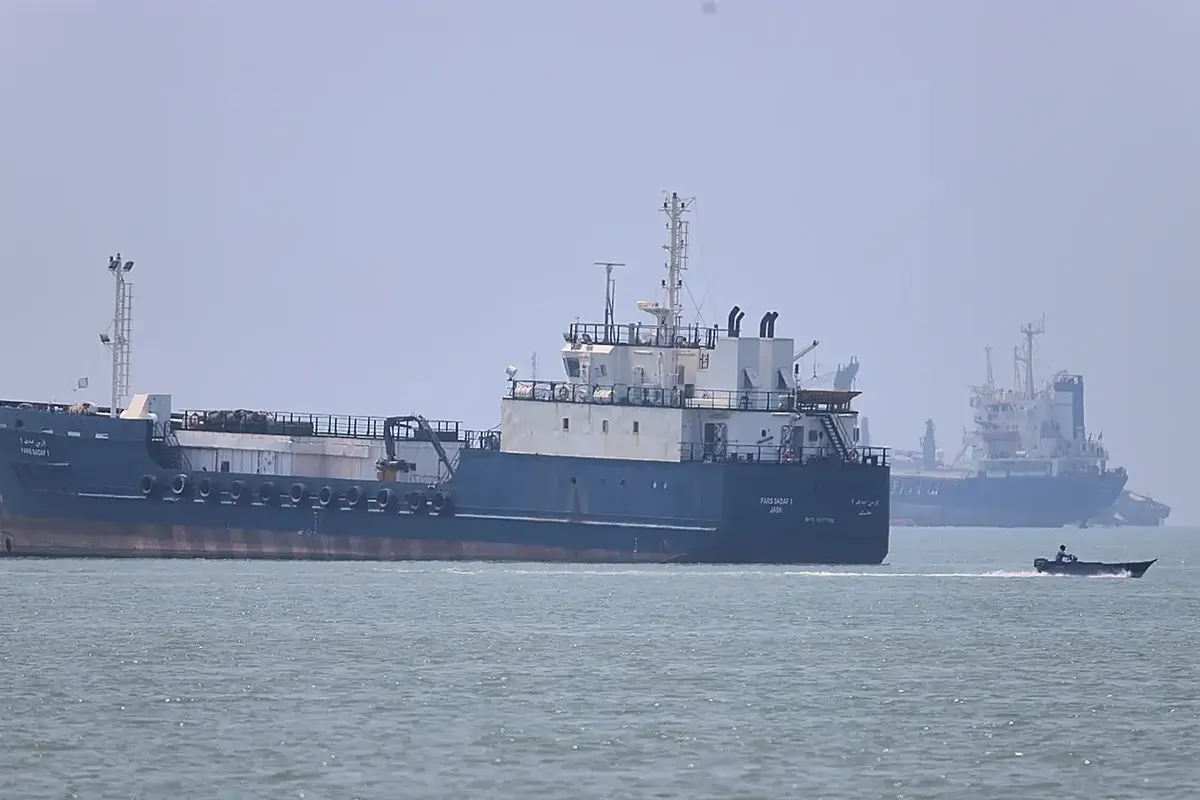
Beyond energy markets, the closure could also create significant challenges for international shipping. Commercial vessels carrying various goods frequently use the Strait of Hormuz to access regional ports and global trade routes.
Any restrictions on maritime traffic could force shipping companies to seek alternative routes, resulting in longer travel times and increased operational costs. Delays in cargo deliveries could affect industries ranging from manufacturing to retail.
The Strait of Hormuz Closure therefore represents not only an energy issue but also a broader challenge for global commerce and supply chain management.
Regional Security Concerns
The announcement has also raised concerns about regional security. The Gulf region has long been a focal point of geopolitical competition, with multiple countries maintaining strategic interests in the area.
A prolonged disruption could increase military activity and diplomatic tensions among regional and international powers. Governments may seek to protect commercial shipping lanes, while diplomatic efforts could intensify to prevent further escalation.
Security analysts warn that maintaining stability in the Gulf is essential for both economic and political reasons. Any deterioration in the situation could have consequences that extend far beyond the immediate region.
International Reactions Expected
Global powers are expected to respond quickly to developments surrounding the Strait of Hormuz Closure. Many countries have a direct interest in ensuring that international waterways remain open and secure.
Diplomatic engagement is likely to play a central role in addressing the crisis. International organizations and regional stakeholders may encourage dialogue to reduce tensions and restore confidence in maritime security.
Energy-importing nations, in particular, are expected to monitor the situation closely due to the potential impact on fuel supplies and economic growth.
What Happens Next?
The future of the situation remains uncertain. Much will depend on diplomatic negotiations, regional security developments, and the willingness of all parties to pursue peaceful solutions.
While the closure announcement has generated significant concern, international pressure could encourage renewed discussions aimed at preventing a prolonged disruption. The coming days will be crucial in determining whether tensions escalate further or move toward de-escalation.
The Strait of Hormuz Closure highlights the fragile relationship between geopolitics and global economic stability. As one of the world’s most important energy transit routes, any disruption has the potential to affect oil prices, international trade, and regional security.
With governments and markets closely watching developments, the focus now shifts to diplomatic efforts that could help ease tensions and preserve the free flow of commerce. The outcome will not only shape the future of the Gulf region but could also influence the global economy in the months ahead.