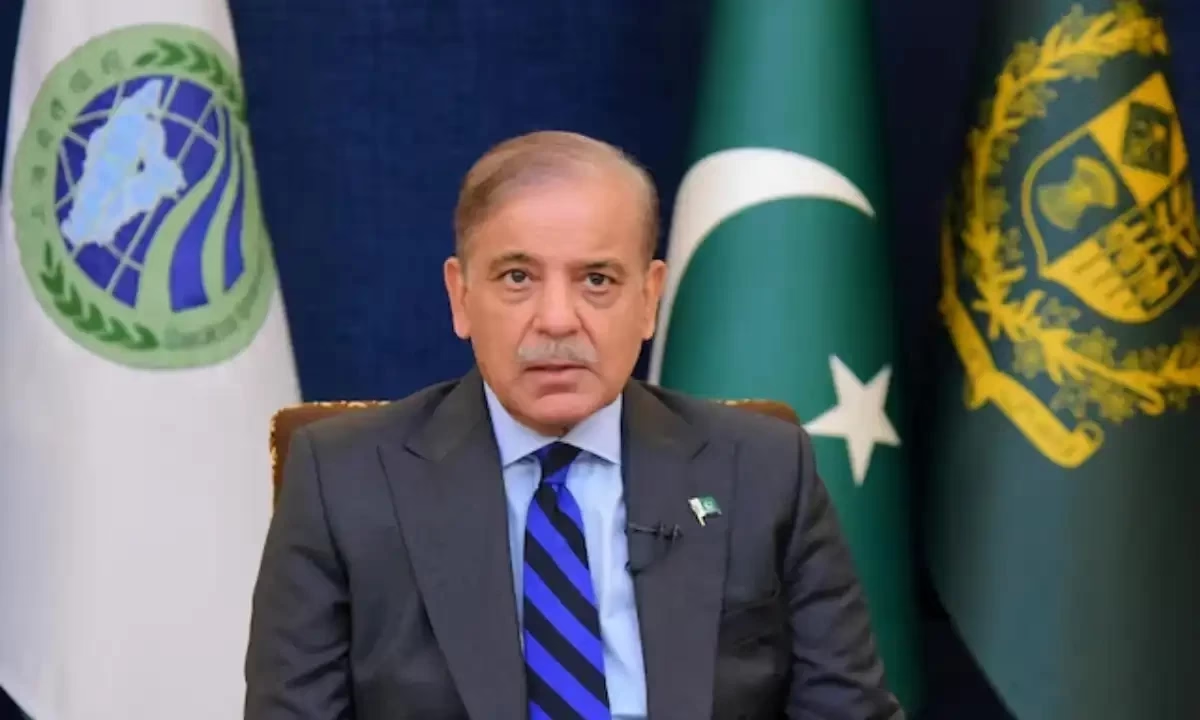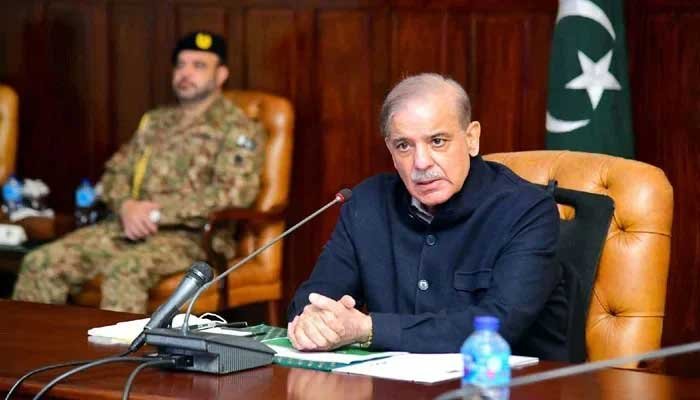
Prime Minister Shehbaz Sharif remains firmly in office despite growing political speculation, according to senior government leader Rana Sanaullah, who has strongly rejected rumors suggesting any change in the country’s leadership after the passage of the federal budget for fiscal year 2026-27.
Speaking to journalists, Sanaullah dismissed reports about a possible replacement of the prime minister, describing them as baseless and misleading. He emphasized that certain groups were deliberately spreading misinformation to create uncertainty and instability in the country. His remarks come at a time when Pakistan is navigating economic reforms, regional developments, and important political challenges.
Government Rejects Leadership Change Rumors
The latest political debate emerged after speculation circulated regarding potential changes in the federal government following the approval of the national budget. However, government representatives have categorically denied these claims.
According to Rana Sanaullah, Prime Minister Shehbaz Sharif continues to enjoy the confidence of the ruling coalition and remains focused on addressing national issues. He argued that the government’s primary objective is economic stability, public welfare, and strengthening Pakistan’s standing on the global stage.
Political observers note that leadership rumors are not uncommon during periods of significant economic decision-making. However, government officials insist there is no basis for the current speculation and that the administration remains united behind its agenda.
Focus on Economic Stability
One of the key reasons cited by government officials for maintaining continuity in leadership is the need for stability during ongoing economic reforms. Pakistan has been working to improve its fiscal position, manage inflation, and attract investment.
Supporters of the government argue that Prime Minister Shehbaz Sharif has played an important role in steering the country through difficult economic circumstances. Recent efforts have focused on improving investor confidence, strengthening international partnerships, and ensuring sustainable growth.
The passage of the federal budget is viewed as a significant milestone, as it outlines the government’s economic priorities for the coming year. Officials believe that maintaining political stability is essential for implementing these plans successfully.
Pakistan’s International Standing
During his comments, Rana Sanaullah highlighted what he described as Pakistan’s growing recognition on the international stage. He credited the government’s diplomatic engagement and policy initiatives for improving the country’s image abroad.
In recent months, Pakistan has been involved in several important diplomatic discussions and regional initiatives. Government representatives believe these efforts have enhanced the country’s reputation and strengthened relationships with key international partners.
According to Sanaullah, Prime Minister Shehbaz Sharif has demonstrated commitment and dedication in representing Pakistan’s interests globally. He said this approach has earned respect from foreign governments and international organizations.
Commitment to Democratic Dialogue
The adviser also addressed the government’s relationship with opposition parties. He stated that the administration remains open to dialogue and constructive engagement with political rivals.
Sanaullah emphasized that democratic systems function best when political stakeholders communicate and cooperate on national issues. He recalled instances when his own party faced political challenges while in opposition but continued to support democratic processes.
This message reflects the government’s stated position that political disagreements should be resolved through dialogue rather than confrontation. Many analysts believe that stronger political consensus could help Pakistan address its economic and governance challenges more effectively.
Potential Economic Benefits from Regional Developments
Another important topic discussed was the possibility of improved economic cooperation with neighboring countries. Sanaullah noted that the removal of international sanctions on Iran could create new opportunities for Pakistan.
Greater regional trade could benefit multiple sectors of the economy, including energy, transportation, and commerce. Pakistan shares a border with Iran, making economic cooperation particularly significant.
Experts suggest that increased trade activity could support economic growth, create employment opportunities, and strengthen regional connectivity. Government officials have expressed optimism that positive developments in the region may contribute to Pakistan’s long-term economic objectives.
Political Landscape in Gilgit-Baltistan
Sanaullah also commented on the evolving political situation in Gilgit-Baltistan. He stated that the Pakistan Muslim League-Nawaz (PML-N) would play a constructive role in opposition if required.
Following recent elections, coalition discussions continue among various political parties. The Pakistan Peoples Party emerged as a leading political force in the region and is reportedly consulting with other groups regarding government formation.
While regional politics often involve complex negotiations, Sanaullah emphasized the importance of democratic cooperation and responsible governance.
Why Stability Matters
Political stability remains a critical factor for economic progress and investor confidence. Frequent leadership changes or prolonged uncertainty can affect financial markets, business activity, and public sentiment.
By firmly rejecting rumors surrounding leadership changes, government officials are attempting to reassure both domestic and international stakeholders. They argue that continuity in governance will allow the administration to focus on implementing policies designed to improve economic conditions and public services.
For many citizens, the priority remains economic relief, job creation, and improvements in living standards. These issues are likely to remain at the center of political discussions in the months ahead.
The government’s latest statements make it clear that Prime Minister Shehbaz Sharif remains at the helm and continues to lead the country’s policy agenda. While political speculation often accompanies major budget decisions, senior officials have rejected claims of any impending leadership change.
As Pakistan moves forward with its economic plans and regional engagements, political stability will remain a key factor in determining future progress. For now, the government is focused on implementing its budget priorities, strengthening international relationships, and addressing the challenges facing the nation.