The Karachi BRT Yellow Line project, one of the most significant public transport initiatives in Pakistan, has come under intense scrutiny after a government report highlighted financial irregularities exceeding Rs8 billion. The findings have raised serious concerns about project management, transparency, and accountability, sparking fresh debate over the handling of large-scale infrastructure projects funded through public resources and international assistance.
The project was designed to improve transportation in Karachi by providing a modern bus rapid transit system connecting Quaidabad’s Dawood Chowrangi with Numaish. Supported by financial assistance from the World Bank, the initiative was expected to ease traffic congestion and offer reliable public transport to millions of residents. However, recent developments have shifted attention away from its transportation benefits and toward allegations of administrative and financial mismanagement.
According to a report prepared by the Chief Minister’s Inspection Team, multiple administrative procedures were allegedly ignored during the execution of the project. The report described the situation as a serious case of mismanagement and highlighted repeated violations of established protocols related to contract administration, tax deductions, and financial oversight.
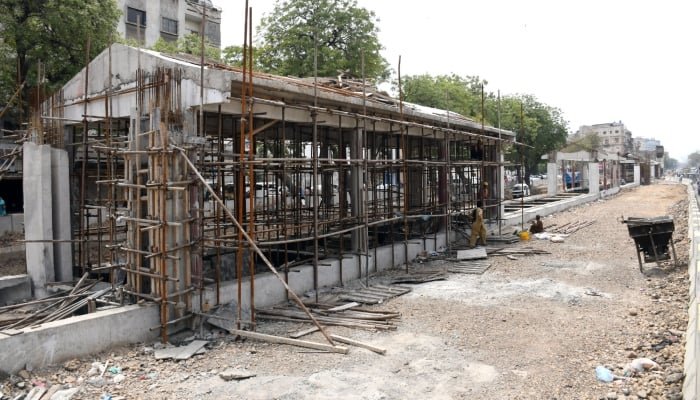
The Karachi BRT Yellow Line project includes several major components, including the construction of the Jam Sadiq Bridge and two transport depots. Investigators found that substantial advance payments were issued to contractors without following proper checks and balances. The report claimed that these payments bypassed important review mechanisms that normally ensure transparency and compliance with government regulations.
One of the most significant findings involved advance payments totaling approximately Rs8.567 billion. According to the report, around Rs885 million was paid for Depot-I, Rs2 billion for Depot-II, and more than Rs5.6 billion for the Jam Sadiq Bridge. Investigators argued that these payments provided undue benefits to contractors and exposed the project to unnecessary financial risks.
The report further stated that the awarded value of the Jam Sadiq Bridge exceeded Rs12.5 billion, while Depot-I and Depot-II carried project costs of approximately Rs2.64 billion and Rs16.96 billion respectively. Despite these large expenditures, progress reports indicated that construction was still incomplete. Physical completion rates reportedly stood at around 55% for the bridge, 10% for Depot-I, and nearly 36% for Depot-II.
The controversy surrounding the Karachi BRT Yellow Line has intensified because of the project’s importance to the city’s transportation network. Karachi, Pakistan’s largest city and economic hub, has long struggled with inadequate public transport infrastructure. Residents were hoping that the Yellow Line would reduce commuting times, improve accessibility, and support economic activity across the metropolitan area.
Instead, allegations of financial irregularities have created uncertainty regarding the project’s future. Critics argue that delays and governance concerns could undermine public trust in major infrastructure programs. They also warn that such controversies may affect the willingness of international financial institutions to support future development projects.
The inspection report used strong language when describing the management practices associated with the project. It characterized the administration as an example of ineffective governance and suggested that disciplinary action should be considered against those responsible. Investigators recommended administrative reforms and corrective measures to protect the project and ensure its successful completion.
The Karachi BRT Yellow Line case has also prompted legal action. Following the report’s findings, authorities reportedly recommended a criminal investigation into the matter. Subsequently, the Anti-Corruption Department registered a First Information Report (FIR) to examine the allegations further. The investigation is expected to determine whether any laws were violated and whether public funds were improperly managed.
Supporters of strict accountability believe the inquiry is necessary to protect taxpayer money and strengthen confidence in public institutions. They argue that infrastructure projects involving billions of rupees require rigorous oversight, especially when international lenders and development partners are involved. Transparent governance, they say, is essential for ensuring that projects are completed on time and within budget.
At the same time, many observers stress the importance of keeping the project moving forward. While accountability measures are necessary, prolonged delays could negatively affect commuters who are waiting for improved transportation services. Balancing investigation efforts with continued project development will likely be a key challenge for authorities.
The situation serves as a reminder of the broader challenges facing large public infrastructure projects. Effective planning, financial discipline, and transparent administration are critical components of successful project execution. Without these safeguards, even well-intentioned initiatives can become vulnerable to controversy and public criticism.
As investigations continue, the future of the Karachi BRT Yellow Line remains closely watched by policymakers, citizens, and development partners alike. The outcome of the inquiry could influence not only the completion of the project but also the standards of governance applied to future transportation and infrastructure investments across Pakistan.
The success of the Karachi BRT Yellow Line will depend on restoring public confidence, ensuring accountability, and delivering the modern transit system that Karachi’s residents have been promised for years.