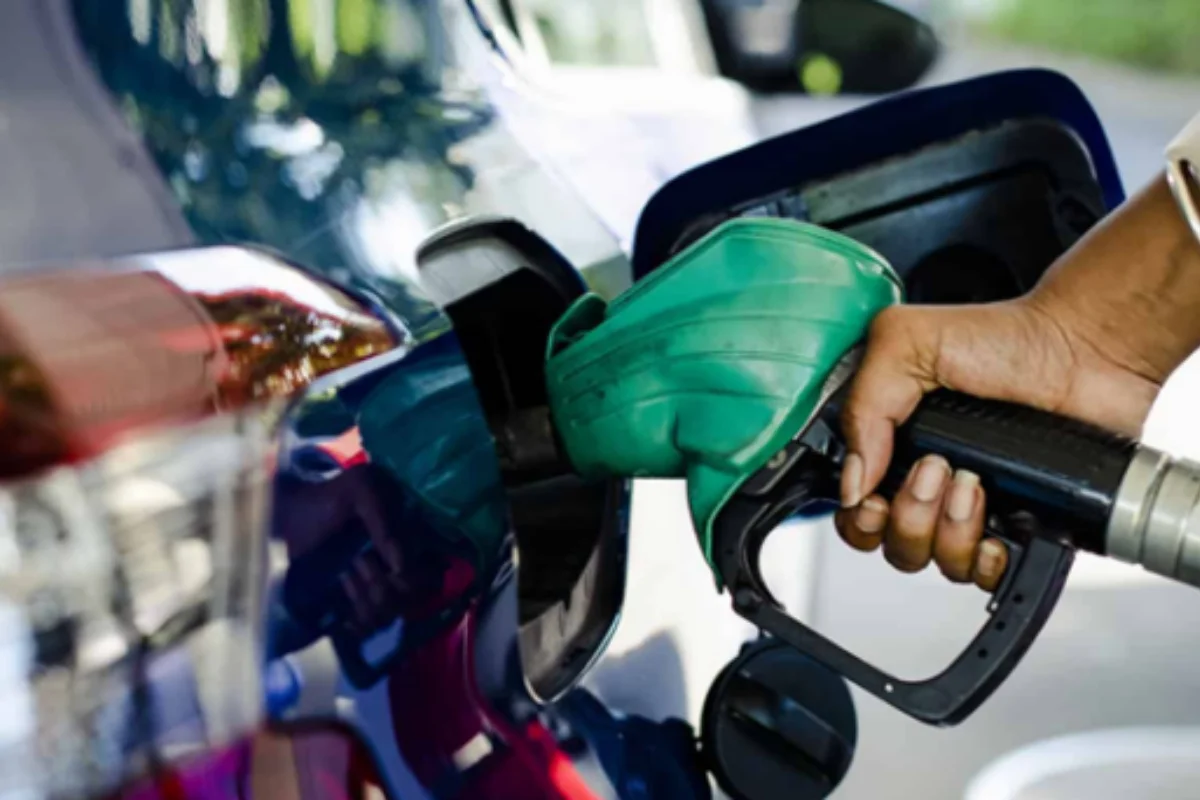
The latest Petrol Price Reduction announced by the government has brought significant relief to millions of Pakistanis struggling with rising living costs. In one of the largest fuel price cuts in recent years, petrol prices have been reduced by Rs74 per litre, while diesel prices have dropped by Rs67 per litre. The move is being welcomed by consumers, businesses, and transport operators who have been facing increasing financial pressure due to high fuel costs.
Under the revised rates, petrol now costs Rs299 per litre compared to the previous price of Rs373 per litre. Similarly, diesel prices have been reduced from Rs378 per litre to Rs311 per litre. The new prices came into effect immediately and are expected to have a positive impact on various sectors of the economy.
Why the Fuel Prices Were Reduced
According to government officials, the Petrol Price Reduction became possible due to declining global oil prices and improved regional economic conditions. International crude oil markets have witnessed a downward trend in recent weeks, creating an opportunity for oil-importing countries like Pakistan to lower domestic fuel prices.
Prime Minister Shehbaz Sharif stated that the government decided to pass on the full benefit of falling international oil prices directly to the public. He emphasized that the decision reflects the government’s commitment to providing economic relief during challenging times.
The prime minister also noted that Pakistan’s diplomatic efforts and improved regional stability contributed to creating favorable economic conditions that helped support the reduction.
Impact on Everyday Consumers
The Petrol Price Reduction is expected to provide immediate relief to households across the country. Fuel costs play a major role in determining transportation expenses, and lower fuel prices can help reduce the financial burden on families.
People who use motorcycles, cars, and public transportation are likely to benefit directly from the lower rates. For many households, fuel expenses account for a significant portion of monthly budgets, making this reduction particularly meaningful.
Consumers are hopeful that the decline in fuel costs will eventually lead to lower prices for goods and services that depend heavily on transportation.
Benefits for Businesses and Industries
Beyond individual consumers, the Petrol Price Reduction is expected to support businesses and industries that rely on transportation and logistics. Lower diesel prices can reduce freight costs, making it less expensive to transport goods across the country.
Manufacturers, retailers, and agricultural businesses may benefit from reduced operating expenses. Lower transportation costs can improve profit margins and create opportunities for businesses to pass savings on to customers.
The reduction may also encourage economic activity by increasing consumer purchasing power and reducing the overall cost of doing business.
Potential Impact on Inflation
One of the most important effects of the Petrol Price Reduction could be its influence on inflation. Fuel prices affect nearly every sector of the economy, from transportation and food distribution to manufacturing and retail.
When fuel becomes more affordable, transportation costs decline, which can help lower the prices of everyday products. While the impact may not be immediate, economists believe that sustained lower fuel prices can contribute to easing inflationary pressures.
This development is especially important for low- and middle-income families who have been affected by rising costs in recent years.
Government’s Economic Strategy
The government has indicated that the Petrol Price Reduction is part of a broader effort to stabilize the economy and provide relief to citizens. Prime Minister Shehbaz Sharif revealed that approximately Rs129 billion was arranged through spending adjustments and development budget revisions to support economic relief measures.
Officials emphasized that the government remains focused on controlling inflation, maintaining economic stability, and protecting consumers from unnecessary financial burdens.
The prime minister also praised various institutions and provincial governments for their cooperation in maintaining stable fuel supplies during periods of uncertainty.
Avoiding Fuel Supply Disruptions
A notable aspect of the government’s announcement was its claim that Pakistan successfully avoided fuel shortages despite regional challenges. During periods of global uncertainty, some countries experienced supply disruptions and long queues at fuel stations.
Officials credited effective planning and coordination for ensuring uninterrupted fuel availability throughout the country. The government stated that stable supplies allowed authorities to manage the situation without imposing rationing measures or restrictions on consumers.
This stability helped create the conditions necessary for implementing the latest fuel price reductions.
While the current Petrol Price Reduction has been welcomed by the public, future fuel prices will continue to depend on international oil market trends, exchange rate movements, and domestic economic policies.
If global crude oil prices remain low, there may be opportunities for further relief in the future. However, fluctuations in international markets could also influence upcoming pricing decisions.
For now, consumers and businesses are expected to benefit from the significant reduction, which could contribute to improved economic confidence and greater financial flexibility.
The recent Petrol Price Reduction represents one of the most substantial fuel price cuts in Pakistan’s recent history. By reducing petrol and diesel prices significantly, the government has provided much-needed relief to households, businesses, and industries.
The decision is expected to ease transportation costs, support economic activity, and help reduce inflationary pressures over time. As Pakistan continues its efforts toward economic stability, lower fuel prices offer a positive development that many citizens hope will lead to broader financial improvements in the months ahead.