The ongoing Lebanon Conflict Escalation has taken a dramatic turn after Iran reportedly canceled planned diplomatic talks with the United States in Switzerland amid renewed violence in southern Lebanon. The development has raised concerns about regional stability and the future of recent diplomatic efforts aimed at reducing tensions in the Middle East.
According to regional reports, Iran decided not to send its negotiating team to the scheduled talks following intense clashes and deadly military operations in southern Lebanon. The cancellation highlights how rapidly changing security conditions can impact diplomatic initiatives, especially in a region already facing multiple geopolitical challenges.
Diplomatic Talks Called Off
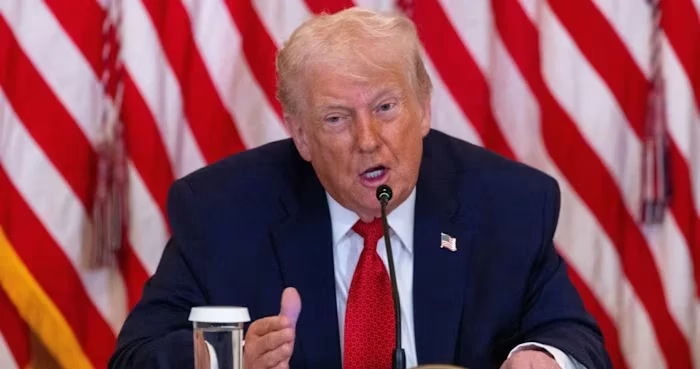
The planned discussions between Iranian and American officials were expected to take place in Switzerland as part of broader efforts to address regional tensions. However, the recent Lebanon Conflict Escalation appears to have changed the situation significantly.
Reports indicate that both sides postponed their participation after violence intensified in southern Lebanon. The cancellation is being viewed as a setback for diplomatic engagement at a time when many international observers hoped dialogue could help reduce instability across the region.
Political analysts suggest that escalating military activity often makes diplomatic negotiations more difficult, as governments face increasing domestic and security pressures.
Rising Violence in Southern Lebanon
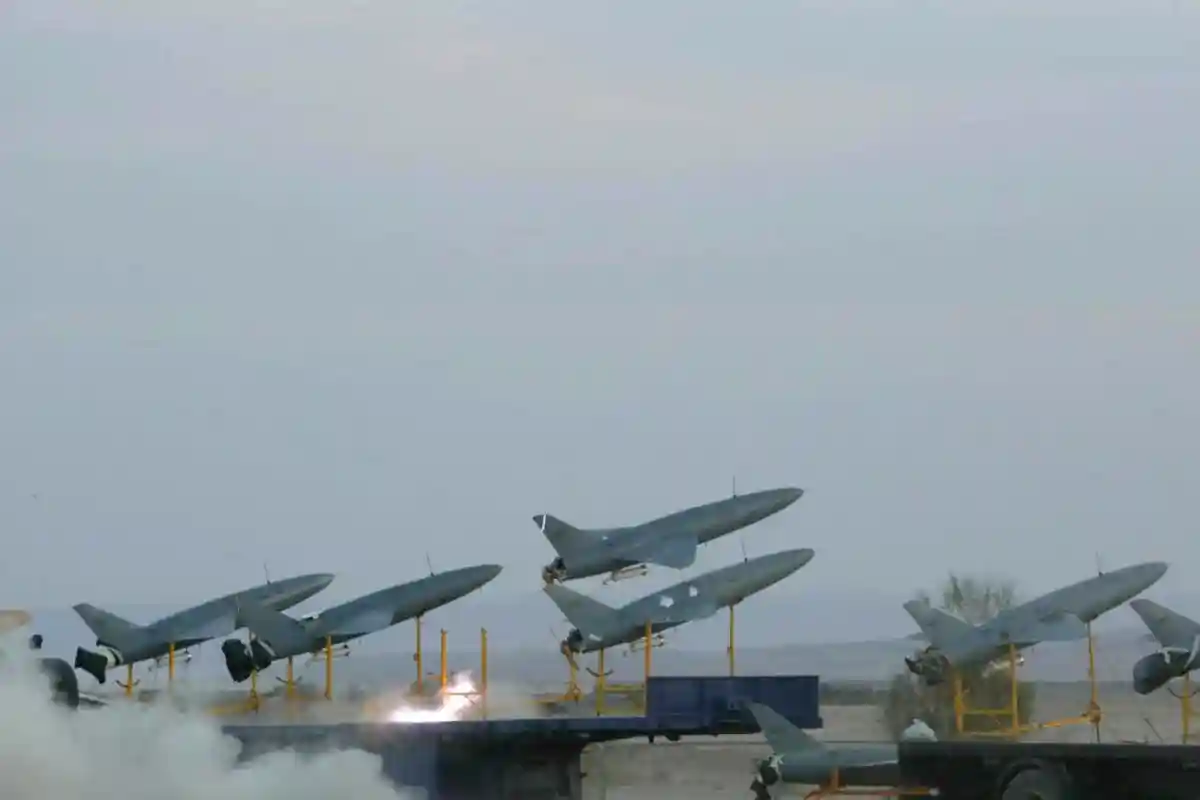
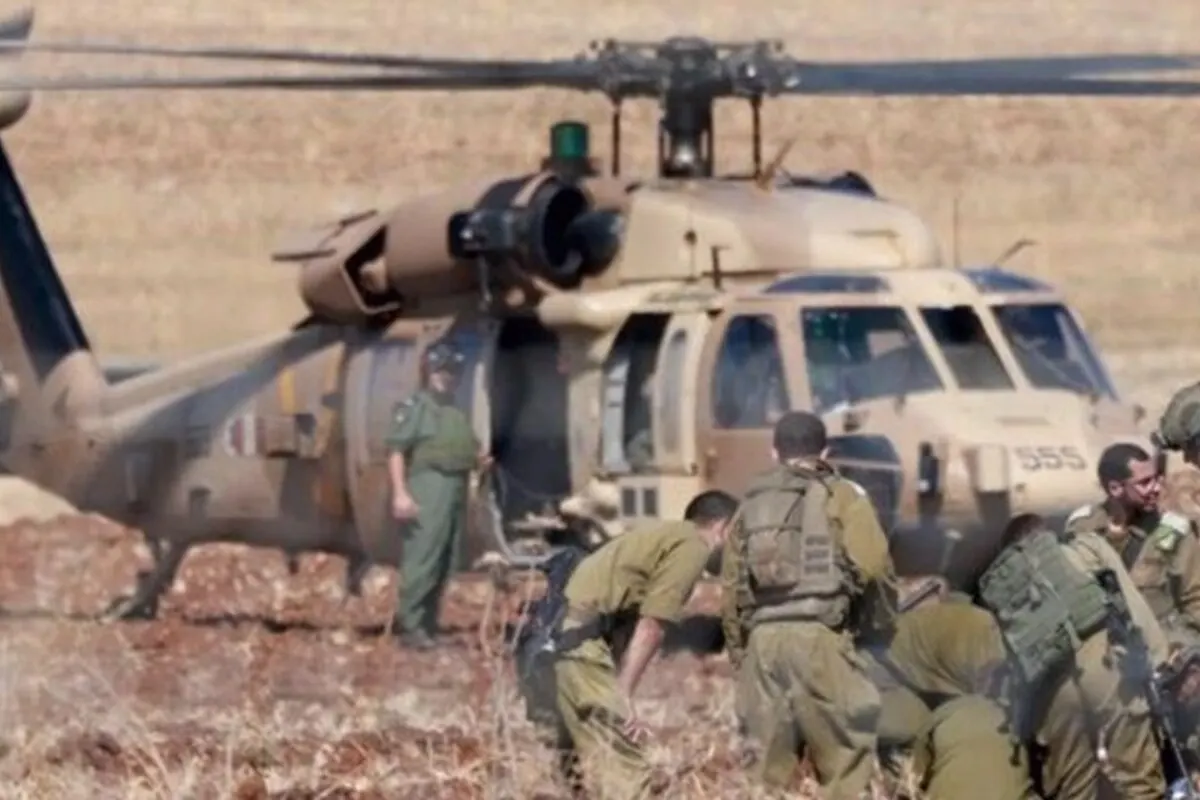
The current Lebanon Conflict Escalation is centered on southern parts of the country, where reports indicate heavy fighting and military operations have caused significant destruction.
Several towns reportedly experienced airstrikes and ground clashes, leading to civilian casualties and damage to residential areas. Local authorities have expressed concern about the humanitarian consequences of continued violence, particularly for families living near conflict zones.
The situation has intensified fears that the conflict could spread further if efforts to contain hostilities fail. Communities in affected regions continue to face uncertainty as security conditions remain unstable.
Humanitarian Concerns Grow
One of the most troubling aspects of the Lebanon Conflict Escalation is its impact on civilians. Reports from local officials and humanitarian organizations suggest that residential neighborhoods have suffered extensive damage.
Families have reportedly been displaced from their homes, while emergency services continue to respond to injured civilians. Humanitarian groups have warned that prolonged conflict could worsen living conditions for thousands of people already facing economic and social challenges.
International organizations have repeatedly called for measures to protect civilian populations and prevent further loss of life.
Regional Implications
The Lebanon Conflict Escalation extends beyond Lebanon’s borders and carries implications for the broader Middle East. Regional powers closely monitor developments because instability in one area can quickly affect neighboring countries.
Recent diplomatic efforts sought to reduce tensions and encourage dialogue among key stakeholders. However, the renewed violence has complicated those efforts and created uncertainty regarding future negotiations.
Experts believe that maintaining communication channels between regional actors remains essential for preventing misunderstandings and avoiding a wider confrontation.
Impact on Recent Agreements
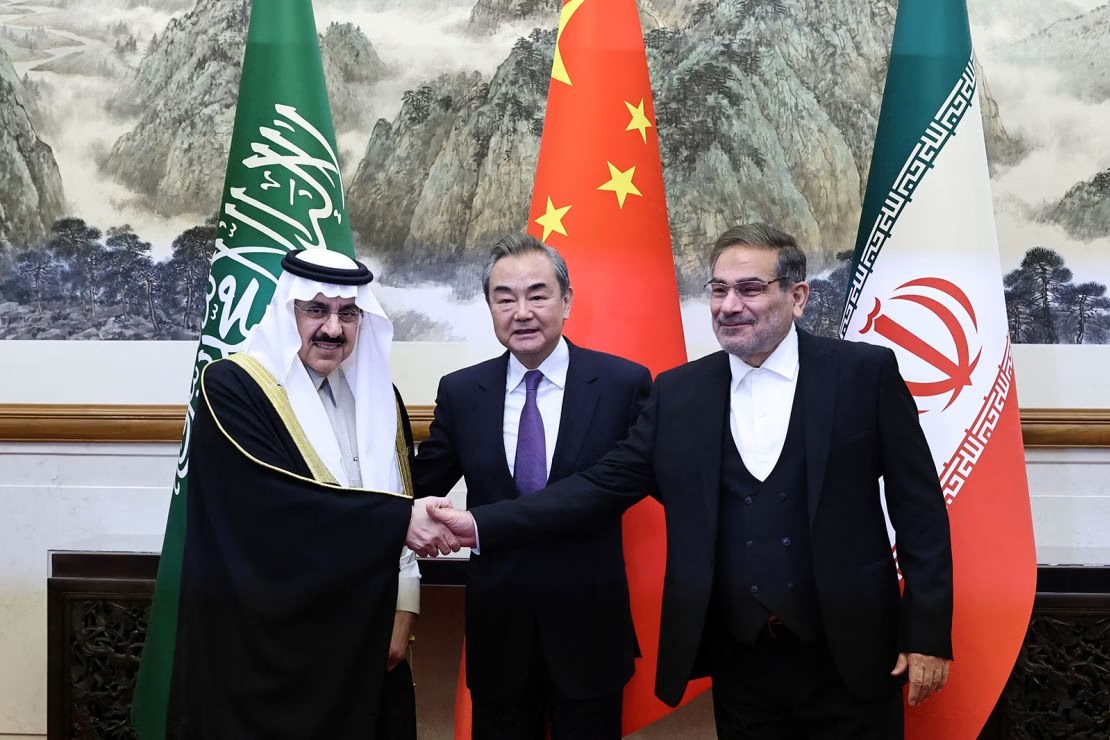
The cancellation of talks has also raised questions about the future of recently announced diplomatic understandings. The Lebanon Conflict Escalation comes shortly after efforts were made to encourage restraint and support peaceful solutions to regional disputes.
Officials involved in previous negotiations emphasized respect for sovereignty, conflict de-escalation, and diplomatic engagement. Continued military operations, however, risk undermining confidence in those agreements and making future progress more difficult.
Observers note that maintaining trust between negotiating parties becomes increasingly challenging when violence continues on the ground.
International Reactions
Governments and international organizations have expressed concern about the latest developments linked to the Lebanon Conflict Escalation. Calls for restraint have become more frequent as fears grow that additional fighting could destabilize the region further.
Diplomatic representatives have urged all parties to prioritize dialogue and avoid actions that might increase tensions. International observers continue monitoring the situation closely while encouraging efforts to protect civilians and maintain regional stability.
Many countries view diplomacy as the most effective path toward reducing conflict and preventing further humanitarian suffering.
Challenges Ahead
The Lebanon Conflict Escalation presents several challenges for regional leaders and the international community. Balancing security concerns with diplomatic engagement is never easy, especially when violence remains active.
Negotiators face the difficult task of rebuilding confidence and creating conditions that allow meaningful discussions to continue. At the same time, humanitarian needs require immediate attention to support affected communities and reduce suffering.
Achieving long-term stability will likely depend on sustained diplomatic efforts, regional cooperation, and commitments from all parties involved.
The Importance of Dialogue
Despite the current tensions, many analysts argue that the Lebanon Conflict Escalation demonstrates why continued dialogue remains essential. History has shown that military confrontations often create additional risks, while diplomatic channels provide opportunities for conflict resolution.
Political leaders across the region face increasing pressure to pursue solutions that prioritize peace, stability, and economic development rather than prolonged confrontation.
While setbacks are common in complex international disputes, diplomacy remains a critical tool for managing crises and reducing the likelihood of broader conflict.
The latest Lebanon Conflict Escalation has not only intensified violence on the ground but also disrupted important diplomatic initiatives, including planned talks between Iran and the United States. As fighting continues in southern Lebanon, concerns about civilian safety, regional stability, and the future of peace efforts continue to grow.
The coming weeks will be crucial in determining whether diplomacy can regain momentum or whether the conflict will deepen further. For now, the international community remains focused on encouraging restraint, protecting civilians, and supporting efforts aimed at restoring peace and stability across the region.