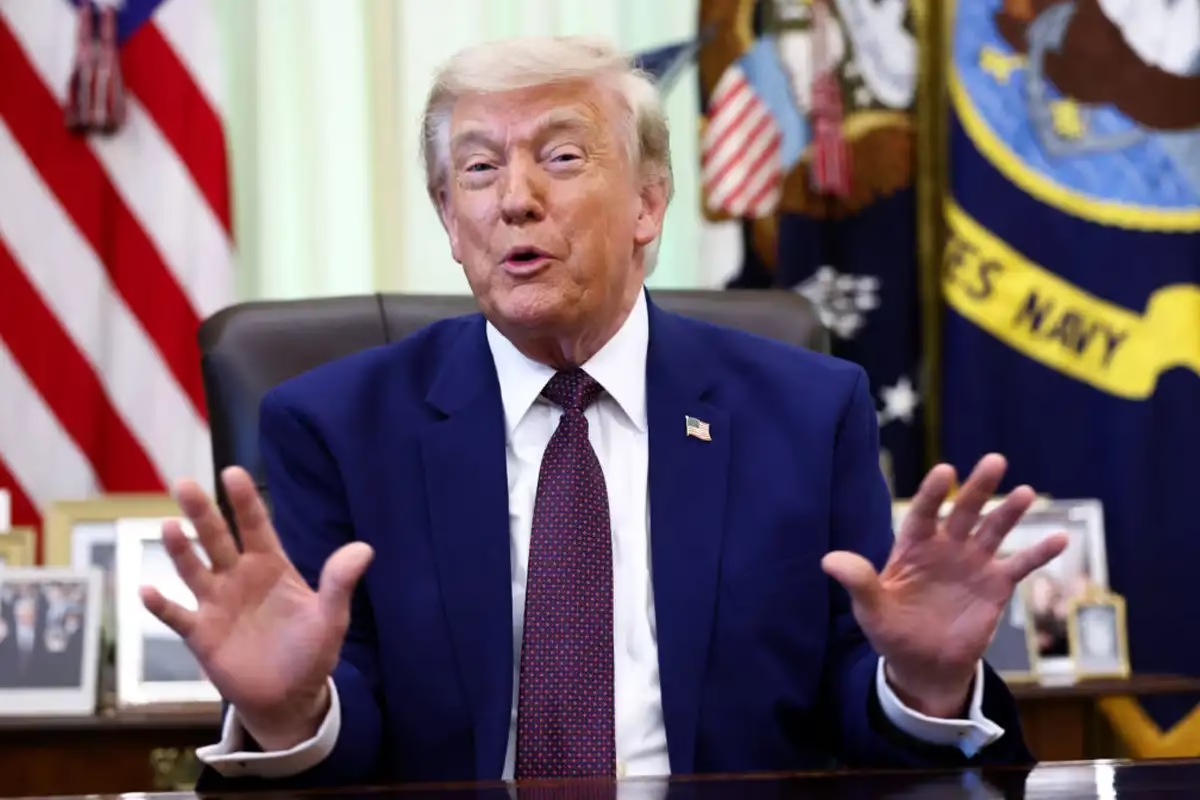
The ongoing Trump Iran ceasefire has entered a sensitive phase after reports revealed the specific condition that could end the fragile pause in hostilities. According to recent claims, former US President Donald Trump privately informed advisers that the ceasefire with Iran would only collapse if American military personnel were killed by Iranian forces.
This revelation has added a new layer of complexity to Middle East diplomacy. It also highlights how carefully both sides are currently managing tensions while trying to avoid another large-scale regional conflict.
The latest reports suggest that the Trump Iran ceasefire is built around a very specific red line. Smaller military incidents, damaged equipment, or limited clashes may not immediately trigger a return to full conflict. However, the death of American troops appears to be the point that would force Washington to respond militarily.
This approach reflects a more calculated strategy than many observers expected. Instead of reacting aggressively to every confrontation, the policy seems designed to keep diplomatic negotiations alive while maintaining pressure on Iran.
A Different Approach to Escalation
The Middle East has witnessed repeated tensions between the United States and Iran over the years. Military confrontations, sanctions, cyber operations, and proxy conflicts have shaped relations between the two countries for decades.
What makes the current Trump Iran ceasefire unusual is the willingness to tolerate limited friction in order to preserve negotiations. Reports indicate that there have already been several low-level incidents involving American and Iranian-linked forces since the ceasefire began. Yet both sides have avoided actions that could fully restart the conflict.
Analysts believe this strategy is aimed at creating space for diplomacy. By privately defining a clear threshold for escalation, the US leadership may be attempting to reduce uncertainty while still maintaining deterrence.
At the same time, critics argue that publicly revealing such a red line could create risks. If opposing groups understand exactly how far they can push tensions without triggering war, they may attempt to operate just below that limit.
Why the Ceasefire Matters
The Trump Iran ceasefire has become increasingly important because broader regional stability now depends on it. Any collapse in negotiations could affect not only US-Iran relations but also conflicts involving Hezbollah, the Strait of Hormuz, and other Middle Eastern flashpoints.
Energy markets are also closely tied to the situation. Oil prices have already shown signs of volatility whenever tensions rise near the Strait of Hormuz, one of the world’s most critical energy shipping routes.
Global investors, governments, and businesses are watching developments carefully because another major military escalation could impact fuel prices, inflation, and international trade.
Diplomatic Pressure Ahead of Talks
The coming diplomatic talks scheduled later this month are considered crucial for the future of the region. Many analysts believe the success or failure of these discussions could determine whether the current ceasefire evolves into a more permanent agreement.
The Trump Iran ceasefire is therefore not just about military restraint. It is also about managing political pressure on all sides. Iran wants sanctions relief and regional security guarantees, while the United States seeks stability and protection for its military personnel and allies.
Regional groups connected to the conflict also play an important role. Hezbollah, Iranian-backed militias, and other armed factions may not always operate with complete coordination, making the situation even more unpredictable.
This means that even if leaders in Washington and Tehran prefer de-escalation, events on the ground could still create unexpected crises.
Economic Concerns Behind the Strategy
Economic realities may also be influencing the current approach. Rising energy costs, fears of global recession, and pressure on oil markets have increased the importance of avoiding a wider Middle East war.
Some reports suggest that concerns about inflation and global economic stability have encouraged a more cautious response from policymakers. A prolonged conflict could seriously damage already fragile international markets.
Because of this, the Trump Iran ceasefire appears to represent a balance between military deterrence and economic practicality. Both sides seem aware that another major war would carry enormous financial and political costs.
What Happens Next
For now, the ceasefire remains in place, but the situation remains highly fragile. The publication of America’s apparent red line has changed the diplomatic environment and increased pressure on all parties to avoid deadly incidents.
The next few weeks could prove decisive for the future of US-Iran relations and broader Middle East stability. If negotiations succeed, the region may move toward a longer-term agreement. If violence escalates beyond the defined threshold, the ceasefire could quickly collapse.
The Trump Iran ceasefire has therefore become more than just a temporary pause in fighting. It is now a major test of diplomacy, military restraint, and political strategy in one of the world’s most volatile regions.