The growing Iran US tensions in the Middle East have once again raised fears of a wider regional conflict after Iran strongly condemned overnight attacks on an Iranian oil tanker and a telecommunications tower in the Strait of Hormuz region. The latest escalation in Iran US tensions comes at a time when diplomatic efforts and ceasefire understandings already appear fragile, creating uncertainty across global energy and political markets.
Iran’s Foreign Ministry accused the United States of carrying out aggressive actions from regional bases and warned that Tehran would use “all its capabilities” to respond to future attacks. The statement reflects the increasing strain between both countries as military and political pressure continues to rise.
Iran condemns attacks in Strait of Hormuz
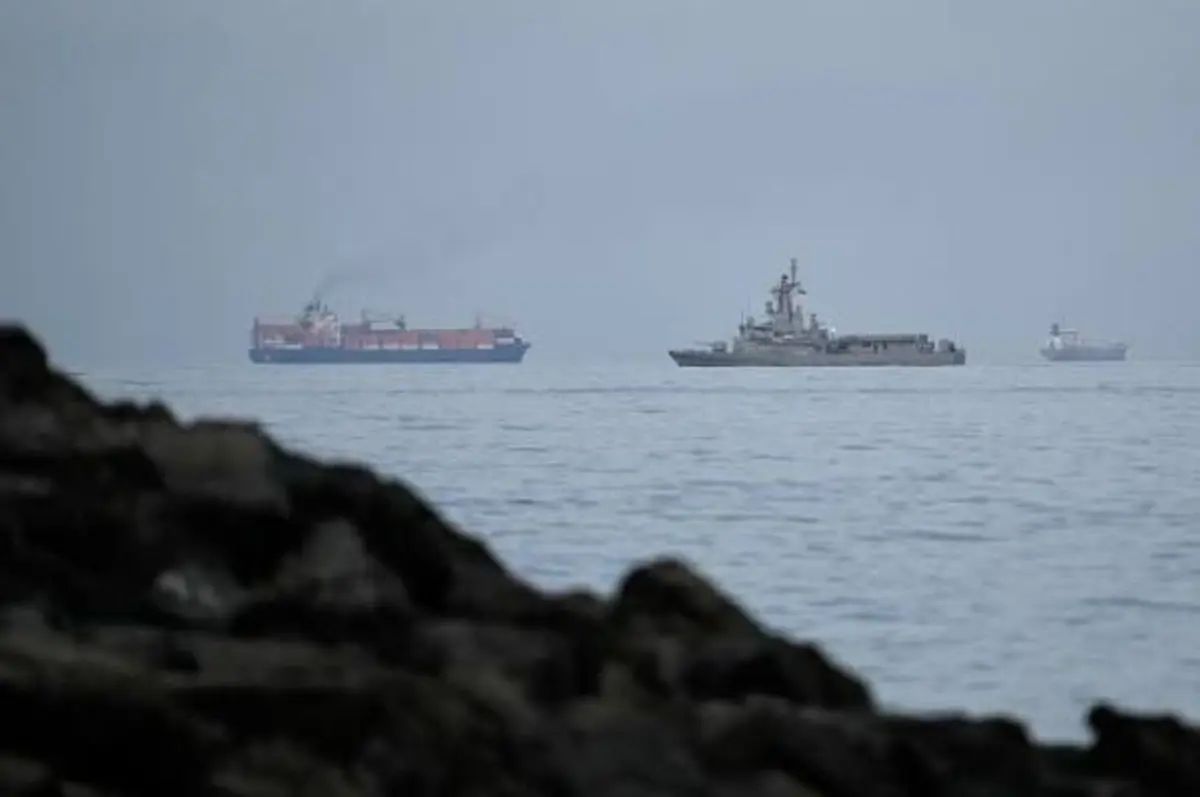
According to Iranian officials, the attacks targeted an Iranian oil tanker in the strategically important Strait of Hormuz as well as a telecommunications tower located on Qeshm Island. Iran described the incidents as clear violations of international law and the United Nations Charter.
The Strait of Hormuz remains one of the world’s most critical energy routes, with a large percentage of global oil shipments passing through the narrow waterway every day. Because of this, any increase in Iran US tensions immediately affects international markets and raises concerns about global energy security.
Iran claimed that the attacks violated the ceasefire understanding reached earlier in April and accused regional countries of assisting the operations. Officials specifically mentioned Kuwait and Bahrain in their statement, adding another layer of complexity to already tense regional relations.
Why the Strait of Hormuz matters globally
The Strait of Hormuz is not just a regional shipping route; it is a vital passage for the global economy. Oil exports from several Gulf countries depend on this narrow channel, making stability in the area extremely important.
Whenever Iran US tensions increase around the strait, energy markets react quickly. Investors fear possible disruptions in oil supply, leading to rising crude oil prices and uncertainty in financial markets.
Experts say that even limited military actions near the Strait of Hormuz can have serious consequences for shipping operations, insurance costs, and fuel prices worldwide. This is why governments and international organizations closely monitor developments in the region.
Iran vows stronger response
Iran’s Foreign Ministry said the country reserves the right to defend itself and respond to acts of aggression. Officials warned that any future attacks would trigger a stronger and more direct reaction.
The sharp language used in the statement highlights how serious the current Iran US tensions have become. Tehran insists that military pressure will not force it into submission and that it is prepared to protect its sovereignty and strategic interests.
At the same time, Iranian leaders continue to accuse the United States of destabilizing the region through military actions and political pressure.
Regional concerns continue to grow
The latest developments have also increased concerns among neighboring Gulf countries. Many regional states are worried that continuing Iran US tensions could drag the entire Middle East into a broader conflict.
Countries in the Gulf rely heavily on stable trade routes and energy exports. Any military escalation in the region threatens economic stability and regional security. Diplomatic observers believe that further attacks or retaliatory actions could damage already fragile peace efforts.
International analysts also warn that prolonged instability may affect global inflation, energy prices, and shipping costs.
International law and ceasefire concerns
Iran has argued that the attacks violate Article 2 of the United Nations Charter, which prohibits the use of force against another state. Tehran claims that the military action directly undermines international law and previously agreed ceasefire understandings.
The dispute highlights the growing challenge facing global diplomacy in the Middle East. While several countries continue to call for dialogue and negotiations, repeated military incidents are making peaceful solutions more difficult to achieve.
Many observers believe the current situation shows how fragile ceasefires can become when trust between nations remains weak.
Global reaction and economic impact
The increase in Iran US tensions is already affecting global markets. Oil prices have shown signs of volatility due to fears of supply disruptions in the Gulf region. Investors remain cautious because uncertainty in the Middle East often creates instability across energy and financial sectors.
Shipping companies are also closely watching the situation, as any threat to the Strait of Hormuz can impact global trade routes. Energy-importing countries are particularly concerned about the long-term economic consequences if tensions continue to rise.
The latest attacks near the Strait of Hormuz have pushed Iran US tensions to another dangerous level. Iran’s strong condemnation and warning of retaliation underline the seriousness of the current situation in the Middle East.
As diplomatic efforts struggle to keep pace with military developments, the international community faces growing pressure to prevent further escalation. Stability in the Gulf remains essential not only for regional peace but also for the global economy and energy security.