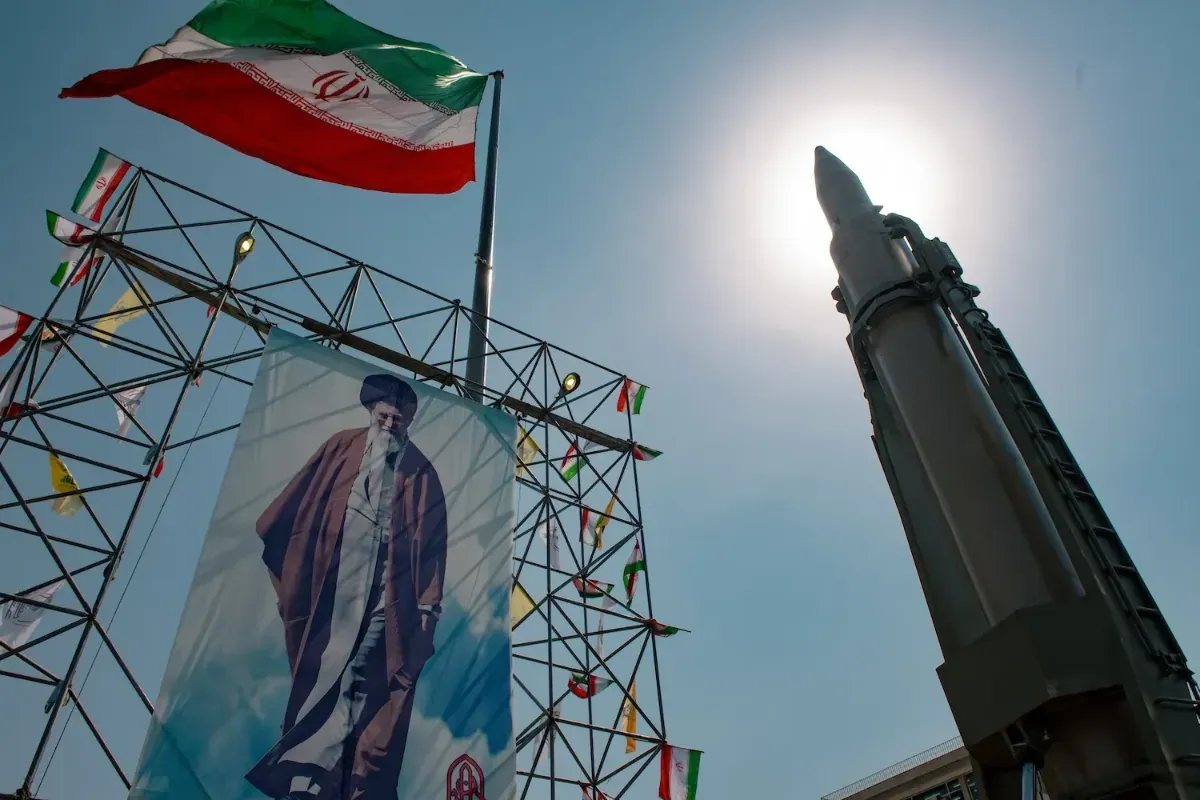
Iran has rejected accusations of anti-Semitic activities, warning that threats against the Islamic Republic, including nuclear threats, will only strengthen its determination to develop domestic infrastructure and improve its defence capabilities. The latest Iran nuclear threat warning was delivered by Foreign Ministry spokesperson Esmaeil Baghaei during his weekly press briefing on Monday, where he criticised what he described as international inaction against threats targeting the country.
Baghaei said threats of aggression would not weaken Iran’s national resolve. Instead, he argued, such statements would encourage Tehran to strengthen its technological independence and improve its ability to protect national interests.
His remarks come amid continuing tensions surrounding Iran’s nuclear programme, international security concerns and disagreements over the application of international law.
Iran Rejects Accusations of Anti-Semitic Activities
During the briefing, Baghaei rejected accusations of anti-Semitic activities directed at Iran. He also criticised the broader international response to statements and threats targeting the Islamic Republic.
The spokesperson argued that allegations against Iran should not be used to justify threats or actions that could undermine international peace and security.
His comments reflect Tehran’s continued effort to challenge international criticism while presenting its position as a defence of national sovereignty.
The Iranian government has repeatedly argued that external pressure and threats cannot force the country to abandon its domestic development priorities or security policies.
Baghaei Criticises United Nations and International Institutions
A major part of Baghaei’s statement focused on the response of international organisations, particularly the United Nations, the UN Security Council and the International Atomic Energy Agency’s Board of Governors.
He accused these institutions of failing to take practical action against what he described as direct threats and violations of international law.
According to Baghaei, remaining silent when threats are directed at a country’s nuclear facilities creates a dangerous precedent for international relations.
He argued that organisations responsible for maintaining global peace and overseeing nuclear-related agreements should respond consistently to threats, regardless of the country involved.
The Iran nuclear threat warning also highlighted Tehran’s criticism of what it considers inconsistent enforcement of international rules.
However, the spokesperson’s remarks represent Iran’s official position on the issue, while international institutions and member states have their own legal and security responsibilities.
Concerns Over Threats Against Nuclear Facilities
Baghaei warned that normalising threats against nuclear facilities could weaken the principles established under international agreements.
Nuclear facilities are particularly sensitive because attacks against them may create serious security, environmental and humanitarian consequences. Threats involving nuclear weapons or other specific military capabilities can also increase tensions between countries.
The Iranian spokesperson argued that allowing such threats to become acceptable in international discussions could encourage further violations of established treaties.
He maintained that countries should respect international legal obligations and avoid statements or actions that could increase the risk of military confrontation.
The issue is especially significant because nuclear infrastructure is closely connected to questions of national security, international monitoring and non-proliferation commitments.
Iran Says It Will Strengthen Domestic Defence Capabilities
Another central message from Baghaei was that external threats would not prevent Iran from developing its indigenous infrastructure.
He said pressure against the country would instead strengthen its determination to improve domestic capabilities and enhance its defensive preparedness.
Developing indigenous infrastructure is an important part of Iran’s broader strategy to reduce dependence on foreign technology and strengthen national industries.
This approach also reflects Tehran’s emphasis on maintaining the ability to protect its territory and strategic facilities during periods of heightened international tension.
The Iran nuclear threat warning therefore carries a message beyond diplomatic criticism. It also signals that Iran intends to continue prioritising domestic technological development and defence preparedness despite external pressure.
Iran Accuses Washington of Undermining the NPT
Baghaei also criticised the United States, describing Washington as the greatest threat to the Nuclear Non-Proliferation Treaty (NPT).
The NPT is an international agreement designed to prevent the spread of nuclear weapons, promote cooperation in the peaceful use of nuclear energy and advance nuclear disarmament.
Iran’s spokesperson argued that threats against nuclear facilities and references to the possible use of specific weapons could undermine the treaty’s fundamental principles.
He warned that such developments could create a dangerous international precedent and weaken confidence in global non-proliferation arrangements.
The treaty remains an important part of the international framework for managing nuclear risks. Its effectiveness depends on participating countries respecting their commitments and maintaining confidence in the broader system.
Growing Concerns Over Global Nuclear Security
The latest statements highlight the wider challenges facing international nuclear diplomacy.
As tensions between countries increase, the possibility of military threats involving sensitive infrastructure raises concerns about regional stability and global security.
For Iran, the issue is closely connected to sovereignty, national defence and its position within international nuclear agreements. For other countries, it involves questions about non-proliferation, regional security and compliance with international obligations.
The Iran nuclear threat warning also places renewed attention on the responsibilities of international organisations to address threats and encourage diplomatic solutions.
Baghaei’s remarks indicate that Tehran intends to maintain its position against external threats while continuing to develop domestic infrastructure and defensive capabilities.
However, statements from political leaders do not necessarily indicate that military confrontation is imminent. The situation will depend on future diplomatic engagement, decisions by international institutions and the actions of the countries involved.
With nuclear security remaining a major international concern, diplomatic communication and respect for international agreements will be important in preventing further escalation.
The latest comments from Iran underline the difficulty of resolving disputes when questions of national sovereignty, security and nuclear non-proliferation remain deeply contested.