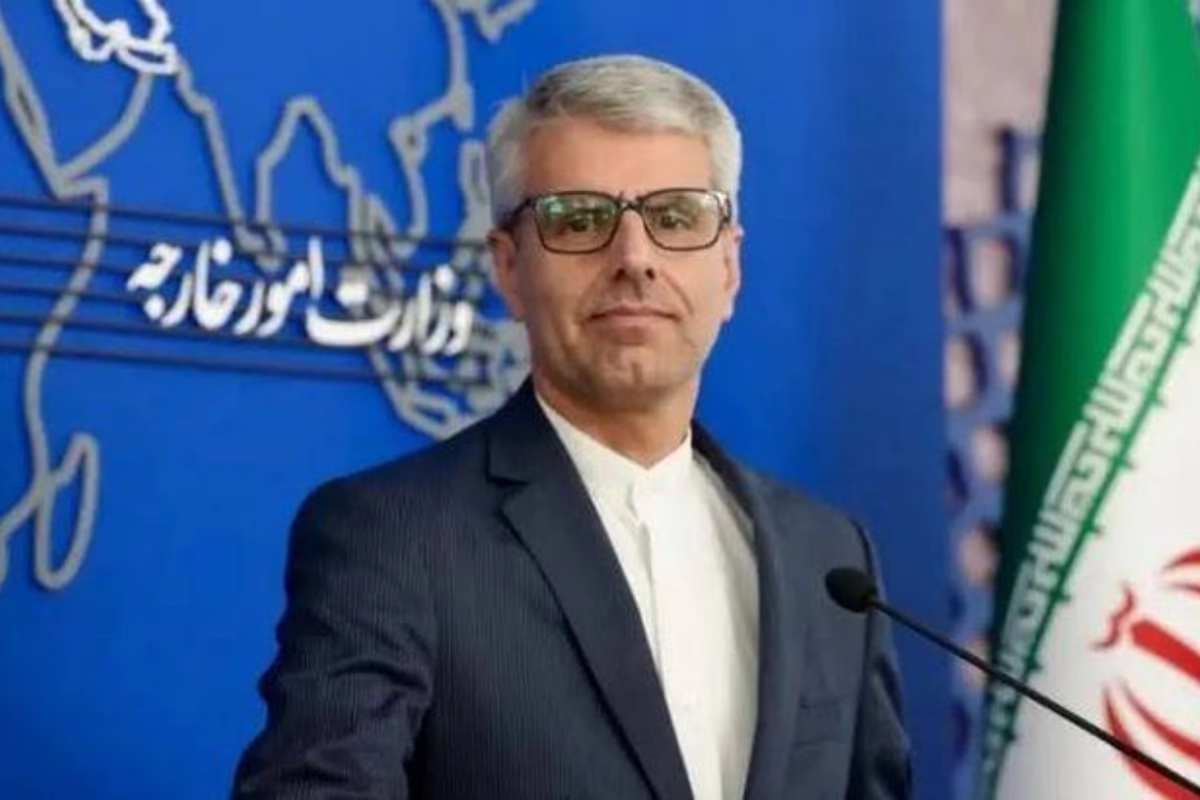
The ongoing Iran US talks via Pakistan are drawing global attention as diplomatic efforts intensify to reduce tensions between Tehran and Washington. In a recent press briefing, Iranian Foreign Ministry spokesperson Esmail Baghaei confirmed that both countries are actively exchanging messages through Pakistan, highlighting Islamabad’s growing role as a mediator in the conflict.
According to Baghaei, communication channels remain open, with several messages already exchanged after the Iranian delegation returned from Pakistan. The Iran US talks via Pakistan are now expected to move forward with a possible visit by a Pakistani delegation to Tehran. This visit could play a key role in shaping the next phase of negotiations and strengthening diplomatic engagement between the two sides.
These discussions are reportedly focused on critical issues, including the possibility of a complete end to ongoing hostilities and compensation for war-related damages. While details remain limited, the continuation of the Iran US talks via Pakistan signals that both nations are at least willing to explore peaceful solutions, despite long-standing tensions.
A significant part of the conversation also revolves around Iran’s nuclear policy. Baghaei firmly reiterated that Iran will not compromise on its nuclear rights, emphasizing that its program is strictly for peaceful purposes. He dismissed claims that Iran could rapidly develop nuclear weapons, stating that such allegations are baseless and politically motivated. Within the context of the Iran US talks via Pakistan, this issue remains one of the most sensitive and complex points of negotiation.
Iran’s stance reflects its consistent position over the years: while it defends its right to nuclear technology, it denies any intention of building atomic weapons. This dual message aims to reassure the international community while also asserting national sovereignty. The outcome of the Iran US talks via Pakistan may largely depend on how both sides address these concerns without escalating tensions further.
Another key issue raised during the press conference was regional security, particularly Iran’s role in the Strait of Hormuz. Baghaei described Iran as the guardian of this strategically vital waterway and strongly opposed any form of foreign interference. The Strait of Hormuz is crucial for global oil transportation, making stability in the region a top priority for many countries. In this context, the Iran US talks via Pakistan carry significance not only for the two nations involved but also for global economic stability.
Baghaei also addressed recent developments involving U.S. actions in the region, including what he described as a naval blockade. He criticized this move as a violation of international law and existing ceasefire agreements, asserting that Iran cannot be blockaded. Such statements highlight the fragile nature of the situation and the challenges facing the Iran US talks via Pakistan as both sides navigate accusations and counterclaims.
In addition to geopolitical concerns, Iran reaffirmed its continued support for regional allies, including Lebanon. Baghaei emphasized that Iran has not retreated from its commitments and intends to resolve all disputes through diplomatic means. This approach aligns with the broader objective of the Iran US talks via Pakistan, which is to find peaceful pathways to resolve conflicts rather than escalate them.
One of the more controversial points raised during the briefing was the mention of the assassination of Ali Khamenei. Baghaei strongly condemned the incident, calling it a stain on America’s record. While such statements reflect deep-rooted grievances, they also underline the urgency of maintaining dialogue through platforms like the Iran US talks via Pakistan to prevent further deterioration of relations.
Pakistan’s role in this diplomatic process has been widely noted. By facilitating communication between Iran and the United States, Pakistan is positioning itself as a key regional mediator. This not only enhances its diplomatic standing but also contributes to efforts aimed at promoting peace and stability in a highly volatile region.
The Iran US talks via Pakistan represent a rare moment of cautious optimism in an otherwise tense geopolitical landscape. While significant challenges remain, the continuation of dialogue suggests that both sides recognize the importance of diplomacy over confrontation.
As the situation develops, the international community will be closely watching whether these talks can lead to tangible outcomes. For now, the emphasis remains on communication, negotiation, and the hope that sustained diplomatic efforts will eventually pave the way for lasting peace.