Iran has reportedly drawn up plans to target Iran undersea cables in the Gulf if the United States and Israel launch further attacks against the country, according to two senior Iranian security officials cited by Reuters. The reported preparations highlight growing concerns that renewed military confrontation could threaten critical communications infrastructure across the region.
The officials, who spoke anonymously, said the plans were developed amid uncertainty over diplomatic efforts with Washington. They warned that negotiations could fail, potentially leading to another round of hostilities.
However, the report does not confirm that an attack has been approved or is imminent. The officials did not identify specific cable routes, disclose possible methods or provide a timeline for any operation.
The reported plans nevertheless raise questions about the security of the infrastructure that supports international internet connectivity, digital services and communications across the Gulf.
Why Are Undersea Cables Important?
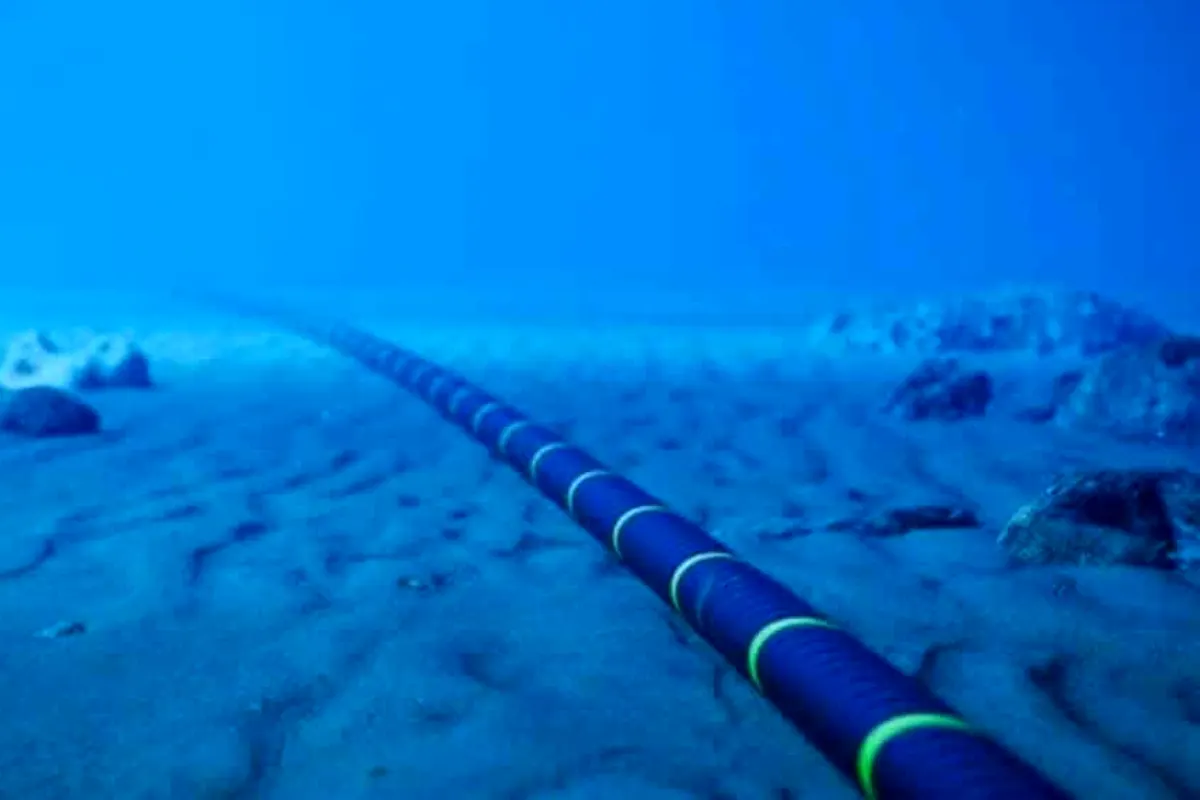
Undersea communications cables form a major part of the global internet infrastructure. These fibre-optic systems run along the seabed, carrying vast amounts of data between countries and continents.
They support everyday digital activities, including video calls, online banking, cloud computing, business communications and international data transfers. Telecommunications companies, governments and technology providers rely on these connections to maintain services across borders.
The Gulf is an important region for international communications because it connects markets in the Middle East with wider global networks. Damage to a cable could affect traffic travelling through the impacted system, although the extent of disruption would depend on the route, the severity of the damage and the availability of alternative connections.
The reported concerns over Iran undersea cables therefore extend beyond military tensions. Any prolonged disruption could create challenges for businesses, service providers and customers who depend on reliable digital communications.
Iran’s Reported Strategy Could Prolong Disruptions
One of the Iranian officials reportedly said the objective would be to complicate repairs to damaged cables, potentially extending interruptions to internet and communications services.
Repairing undersea infrastructure can be a complicated process. Specialized vessels and equipment are often required to locate damaged sections, assess the problem and restore the affected system. Depending on weather, location, technical requirements and access to repair resources, restoration can take considerable time.
If repairs were delayed, telecommunications providers might have to redirect traffic through alternative routes. Such rerouting can help maintain connectivity, but available capacity and network configurations may limit how effectively services can be restored.
The report does not explain how Iran would attempt to interfere with repairs or whether any such measures have been implemented. The reported objective remains part of the officials’ account of contingency planning.
Potential Impact on Internet Connectivity
A disruption affecting undersea cables in the Gulf could have consequences for regional and international data transmission. The actual impact would depend on which connections were affected and how much traffic could be transferred to other routes.
Telecommunications operators generally use network redundancy to reduce the risk of a single cable failure causing widespread outages. Multiple routes can provide alternative paths for data, helping networks continue operating when individual systems experience problems.
However, redundancy does not eliminate every risk. Several simultaneous disruptions, limited spare capacity or prolonged repair delays could increase congestion and affect service quality.
Potential consequences could include slower internet speeds, higher network management costs and interruptions to some digital services. These outcomes are not guaranteed, and the report provides insufficient information to predict the scale of any possible disruption.
The situation also underlines the importance of protecting critical infrastructure during periods of heightened geopolitical tension.
Rising Military Tensions Add to Regional Uncertainty
The reported preparations come amid concerns that diplomatic efforts between Tehran and Washington could fail. If hostilities resume, critical infrastructure could become part of the wider security debate alongside conventional military targets.
The possibility of targeting communications systems raises broader questions about the protection of civilian infrastructure during conflict. Undersea cables support essential economic and social activities, making their security important to countries far beyond the immediate conflict zone.
At the same time, the reported plans should not be interpreted as proof that an operation will take place. The available account does not establish whether the plans have received formal approval or progressed beyond contingency preparations.
The potential threat to Iran undersea cables highlights the connection between geopolitical stability and global digital infrastructure. Governments and telecommunications operators may face renewed pressure to assess network resilience, maintain alternative routes and prepare for possible service interruptions.
For businesses and internet users, the key concern is whether escalating tensions could affect the reliability of regional communications. For policymakers, the challenge is to protect essential infrastructure while preventing further escalation.
The reported plans remain unconfirmed as an operational decision. Their significance lies in the warning they present: a renewed conflict involving Iran, the United States and Israel could have consequences extending beyond the battlefield to the communications networks that support the modern global economy.