Pakistan has reaffirmed its commitment to protecting Saudi Arabia’s sovereignty, territorial integrity and security while rejecting reports that Pakistani fighter jets have participated in cross-border airstrikes against Houthi forces in Yemen. The Foreign Office clarified that the Makkah Alliance is a defensive arrangement designed to protect member countries from aggression, strengthen collective deterrence and improve military coordination. The statement comes amid rising regional tensions and renewed efforts by Pakistan, Saudi Arabia and Türkiye to implement their joint defence commitments.
Pakistan Rejects Reports of Airstrikes in Yemen
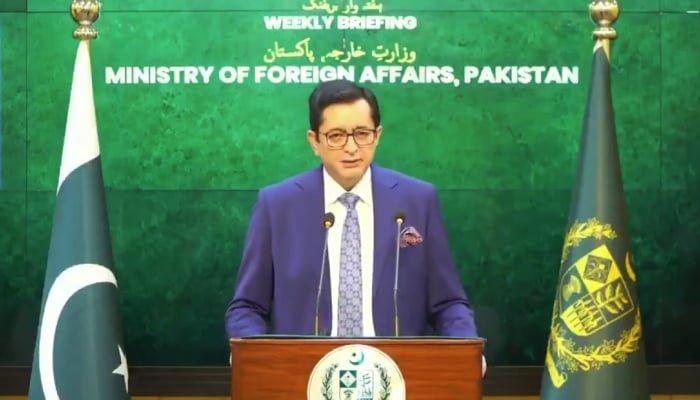
During a weekly press briefing on October 9, Foreign Office Spokesperson Ambassador Sajjad Haider Khan dismissed media reports suggesting that Pakistani fighter jets had taken part in operations against Houthi targets inside Yemen.
He said the alliance was intended to defend its members against aggression and that Pakistani forces would not cross into Yemen to launch attacks against the Houthis. However, he emphasised that Pakistan remained committed to defending Saudi territory and safeguarding the Kingdom’s sovereignty.
The clarification comes as fighting in Yemen and attacks affecting Saudi Arabia have increased regional security concerns. Pakistan has sought to distinguish its commitment to Saudi Arabia’s defence from participation in offensive military operations across the Yemeni border.
Makkah Alliance Moves Towards Implementation
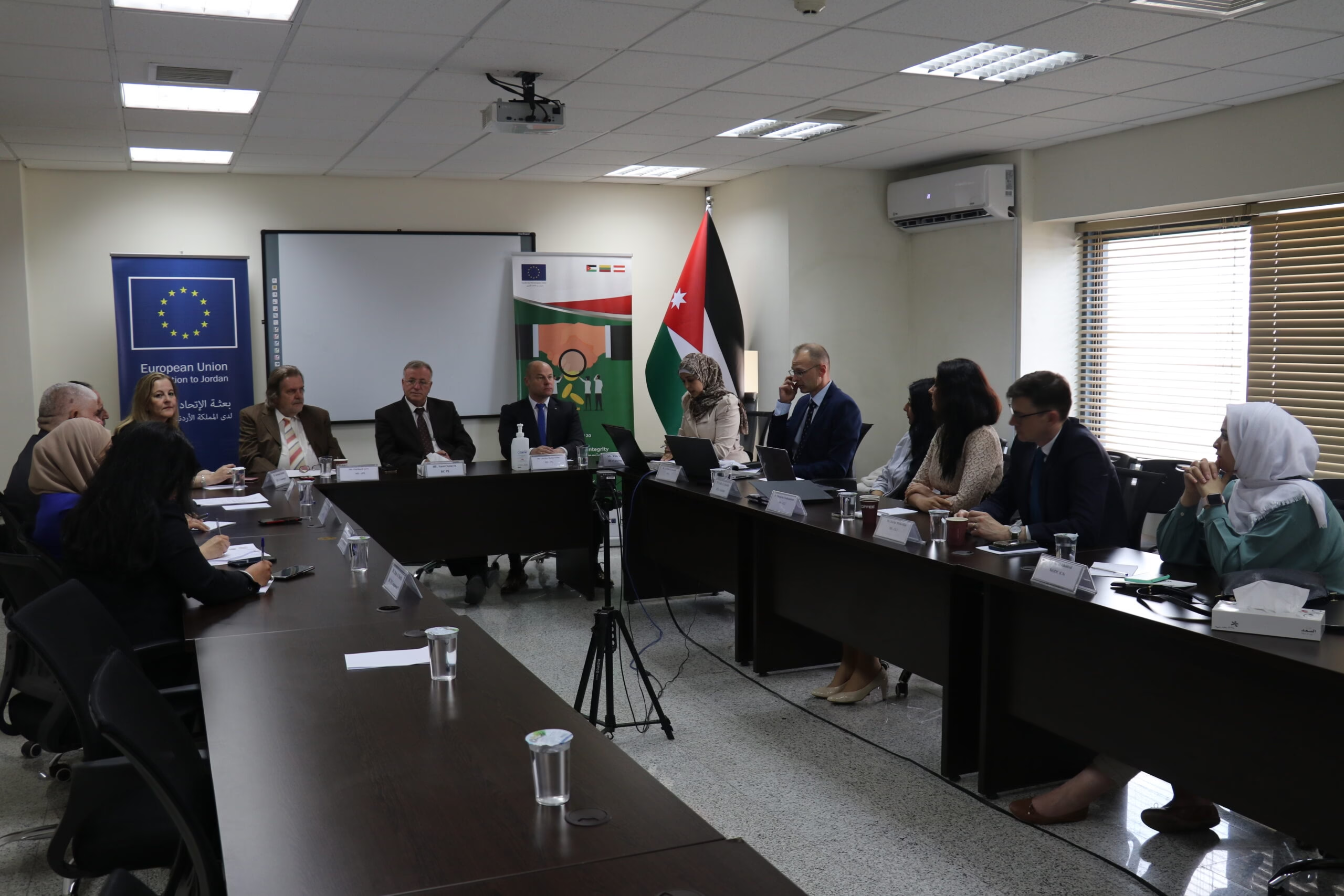
The spokesperson referred to an emergency meeting of the Strategic Political and Defence Committee of the Makkah Alliance, held in Riyadh on October 5. Pakistan, Saudi Arabia and Türkiye agreed to move towards the practical implementation of their collective defence commitments.
Pakistan was represented by Deputy Prime Minister and Foreign Minister Senator Mohammad Ishaq Dar, Defence Minister Khawaja Muhammad Asif, and Chief of Army Staff and Chief of Defence Forces Field Marshal Syed Asim Munir.
According to the joint statement issued after the meeting, the three countries agreed to take measures to provide military forces and capabilities, improve readiness and strengthen coordination. The committee also condemned attacks and threats directed at Saudi cities, civilians and economic infrastructure, including attempted targeting of the holy cities of Makkah and Madinah.
The agreement aims to establish a coordinated response to security threats while respecting the participating countries’ national laws and agreed arrangements.
Pakistani Forces Already Present in Saudi Arabia
Khan said Pakistan already maintained a substantial number of military personnel and resources in Saudi Arabia. He explained that Pakistani armed forces had been present in the Kingdom in different capacities since 1982, including through training missions and logistical arrangements.
He added that decisions about additional deployments would depend on the alliance headquarters’ assessment of security threats and operational requirements.
The spokesperson did not provide detailed information about the number of personnel involved or the precise nature of any future deployments. He said it would be inappropriate to speculate about operational matters before the alliance made the relevant decisions.
Pakistan’s position reflects its longstanding defence relationship with Saudi Arabia, while the current agreement provides a framework for closer coordination with Türkiye.
Regional Security and Pakistani Nationals
Pakistan has particular concerns about the situation because approximately 2.5 million Pakistani nationals live in Saudi Arabia. Any further escalation could affect their safety, employment and ability to travel.
Khan reiterated Islamabad’s commitment to protecting the welfare of Pakistani citizens in the Kingdom. He also emphasised that Pakistan continued to favour de-escalation, dialogue and diplomacy as ways to address regional disputes.
The Makkah Alliance is therefore being discussed not only as a military arrangement but also within the wider context of regional stability. Its practical role will depend on how its members assess threats and determine the support required to defend Saudi territory.
Pakistan Continues Mediation Between the US and Iran
The Foreign Office also addressed Pakistan’s diplomatic engagement between the United States and Iran. Khan said Islamabad continued to support direct communication and political dialogue between the two countries.
He referred to discussions involving seven points and said the Islamabad Memorandum of Understanding remained in place. Pakistan was prepared to continue facilitating negotiations if the parties required assistance.
The spokesperson stressed that diplomacy remained essential to reducing tensions and achieving a peaceful settlement, although progress would depend on the willingness of both sides to engage constructively.
Concerns Over Terrorism From Afghanistan
Separately, Khan said Pakistan had raised concerns about terrorism originating from Afghan territory during the eighth meeting of the Moscow Format Consultations on Afghanistan, held on October 5.
He said a joint statement was not issued because the Afghan Taliban delegation did not agree to retain previously agreed wording on terrorism. Pakistan maintained that militant groups operating from Afghan territory posed a serious security threat, particularly to its own citizens.
The spokesperson said the absence of a joint statement should not undermine the importance of continued regional dialogue.
Pakistan Reiterates Position on Kashmir and Border Incident
Khan also reiterated Pakistan’s position that the Jammu and Kashmir dispute remained unresolved and should be settled in accordance with relevant United Nations Security Council resolutions and the aspirations of the Kashmiri people.
He welcomed remarks by UN Secretary-General Antonio Guterres concerning the United Nations Military Observer Group in India and Pakistan, saying its role should be strengthened.
The spokesperson further said Pakistan had protested the killing of two Pakistani civilians in the Bedian sector on October 2 and called for a transparent investigation and appropriate action.
Pakistan’s clarification establishes a distinction between defending Saudi territory and conducting offensive operations inside Yemen. The Makkah Alliance will now need to translate its collective defence commitments into practical arrangements while its members respond to a changing regional security situation.
For Islamabad, the challenge is to maintain its defence partnership with Riyadh, protect Pakistani nationals and support regional stability without allowing tensions to escalate further. The government has reiterated that diplomacy and defensive cooperation remain central to its approach.