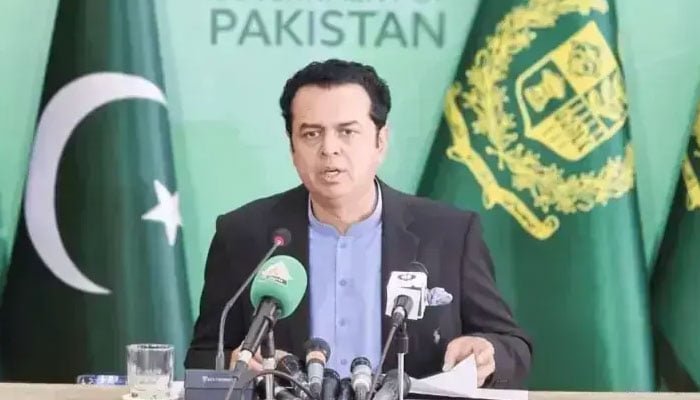
The KP Police Act 2026 has come under federal scrutiny after Minister of State for Interior Talal Chaudhry warned that the proposed legislation could be challenged in the Supreme Court. His comments followed the Khyber Pakhtunkhwa cabinet’s approval of a draft law intended to replace the existing KP Police Act 2017 and introduce changes to the powers, administration and command structure of the provincial police.
Federal Government Raises Constitutional Concerns
Speaking at a press conference in Islamabad, Talal Chaudhry said policing and public order are provincial responsibilities following the 18th Amendment. However, he argued that provincial legislation must remain consistent with the Constitution and federal legal frameworks governing the Police Service of Pakistan (PSP).
Chaudhry maintained that provinces cannot exercise unlimited legislative authority where their laws conflict with applicable federal rules. He said the PSP framework has historically provided a common structure for senior police administration and command.
The minister therefore suggested that parts of the KP Police Act 2026 could face judicial examination if they are considered inconsistent with constitutional or federal provisions. He said the federal government would review the matter through the Constitution and applicable laws.
Proposed Changes to Police Command
The main dispute centres on the authority of the provincial police chief and the role of the provincial government in administrative decisions.
Under the proposed law approved by the KP cabinet, the police chief’s operational, financial and administrative powers would be subject to government or chief ministerial directions and policies issued through a proposed Police Policy Board. The draft also proposes separating policy-making from operational policing through two institutional forums.
The KP government has presented the changes as a mechanism for greater institutional accountability and clearer oversight of postings and transfers. According to the provincial information minister, the legislation would establish defined procedures for appointments and transfers involving regional and district police officers.
Talal Chaudhry, however, argued that the changes could weaken the existing command hierarchy. He said reducing the authority of the inspector general could affect discipline, morale and operational coordination within the force.
Concerns Over Senior Officer Appointments
Chaudhry also questioned how senior police positions would be managed if the role of PSP officers was reduced under the proposed framework.
He specifically raised questions about appointments, transfers and promotions involving senior grades. In his view, concentrating greater administrative authority within the provincial government could affect the independence of operational policing decisions.
The debate reflects a broader question over how provincial governments should exercise oversight of police forces while maintaining professional command structures.
The KP Police Act 2026 has not yet become law. The provincial cabinet has approved the proposal, but it still has to proceed through the provincial assembly before it can take effect.
KP Government Defends the Reform
The proposed legislation is being presented by the KP government as an effort to modernise police administration and improve accountability.
The draft would establish a Police Policy Board headed by the chief minister and a Police Operations Board headed by the provincial police chief. It would also require the police chief to prepare an annual policing plan for consideration and approval by the policy board.
The provincial government has also proposed changes to dispute resolution councils, with existing councils to be dissolved and reconstituted under the new legal framework.
These measures indicate that the proposed legislation is broader than changes to the inspector general’s authority and would introduce a different institutional structure for managing police policy and operations.
Resources and Terrorism Concerns
Another major issue raised by Chaudhry was the condition of the KP Police and its available resources.
He said the force has faced terrorism-related challenges for years and argued that improving equipment, infrastructure, protective facilities and financial resources should remain a priority.
The minister questioned the availability of armoured vehicles, protective equipment, forensic facilities and other infrastructure needed for counterterrorism operations. He also raised concerns about police salaries and compensation for personnel killed in the line of duty.
His argument was that strengthening the force’s operational capacity should accompany any discussion about restructuring its command system.
Questions Over Proposed Committees
Chaudhry also questioned the composition of a proposed six-member body under the legislation. He argued that the body should potentially include broader representation, including opposition members, civil society representatives, journalists and experienced police officials.
The criticism focuses on whether the proposed oversight structure would provide sufficient institutional diversity and independence.
Separately, ANP Senator Aimal Wali Khan has also questioned the legality of the proposed changes, arguing that they could conflict with existing police and PSP-related rules. His position adds another layer to the legal debate surrounding the legislation.
The KP Police Act 2026 now faces an important legislative and potentially legal process. The provincial assembly will have to consider the proposed law, while the federal government has indicated that it may challenge provisions it believes conflict with the Constitution or applicable federal rules.
The debate ultimately involves two competing considerations: provincial authority over policing and the need for a coherent professional command structure.
With Khyber Pakhtunkhwa continuing to face serious security challenges, the discussion over police powers is likely to remain significant. Whether the proposed reforms become law in their current form will depend on the provincial legislative process and, if challenged, the interpretation of the relevant constitutional and legal provisions by the courts.