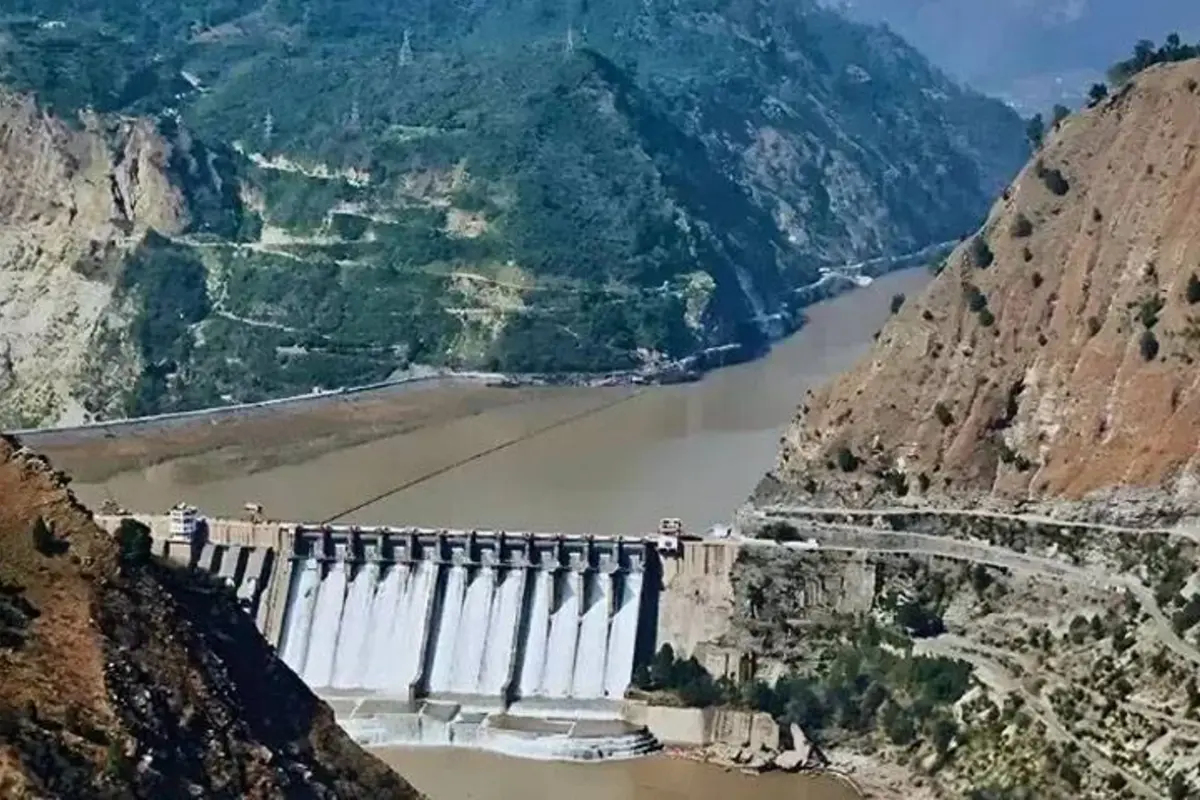
The Indus Waters Treaty has become the focus of renewed legal and diplomatic attention after the World Arbitration Court issued an important ruling concerning India’s decision to suspend the decades-old water-sharing agreement. According to the ruling provided, India cannot unilaterally suspend or terminate the treaty and remains bound by its obligations under the agreement.
The decision is significant for Pakistan because the treaty provides the legal framework for managing and sharing the waters of the Indus River system between the two neighboring countries.
Court Reinforces Treaty Obligations
The ruling states that India remains legally bound by its responsibilities under the Indus Waters Treaty. This means New Delhi cannot simply suspend its commitments through a unilateral decision.
The development comes at a sensitive time in Pakistan-India relations, with tensions surrounding water resources already adding to broader political and security disputes.
For Pakistan, the ruling provides an important legal argument that international agreements cannot be set aside simply because relations between signatories have deteriorated.
The treaty has governed water distribution between India and Pakistan for decades, making its continued implementation particularly important for both countries.
Why the Treaty Matters
The Indus Waters Treaty was established to create a mechanism for sharing the waters of the Indus River system. It divides the use of several major rivers between India and Pakistan while establishing procedures for cooperation and resolving disagreements.
Water is particularly important for Pakistan because agriculture remains heavily dependent on the country’s river system. Millions of people rely directly or indirectly on irrigation for farming, food production and livelihoods.
Any uncertainty surrounding the flow or management of these rivers can therefore have consequences extending well beyond diplomatic relations.
For Pakistan, maintaining a predictable water-sharing arrangement is closely connected with economic and agricultural stability.
Tensions Over India’s Suspension
India’s decision to suspend the treaty had raised concerns in Pakistan about the future of the bilateral water-sharing framework.
Islamabad has consistently emphasized the importance of international agreements and legal mechanisms in managing shared resources. The latest ruling, according to the information provided, supports that position by stating that India cannot unilaterally terminate or suspend its treaty obligations.
The decision does not eliminate political disagreements between the two countries, but it strengthens the argument that disputes should be addressed through established legal and diplomatic channels.
Importance for Pakistan
The ruling is being viewed as a significant development for Pakistan because it reinforces the legal framework governing the Indus River system.
Pakistan depends heavily on the rivers covered by the treaty, particularly for irrigation and agricultural production. Any major disruption could affect farmers, water availability and broader economic activity.
The ruling could therefore provide Islamabad with additional confidence in asserting its rights under the agreement.
It also highlights the importance of international arbitration and legal institutions when countries disagree over shared resources.
A Treaty Built on Cooperation
One of the most important features of the Indus Waters Treaty is that it was designed to survive political disagreements between India and Pakistan.
The two countries have experienced wars, diplomatic crises and prolonged periods of tension since the treaty came into force. Despite these challenges, the agreement continued to provide a framework for managing their shared river system.
Its durability has often been cited as an example of how technical cooperation over vital resources can continue even when broader relations are difficult.
The latest dispute once again demonstrates how important that framework remains.
What the Ruling Could Mean
The ruling could influence future discussions between India and Pakistan over water management.
If India remains legally obligated to follow the treaty, any changes to existing arrangements would need to be addressed within the treaty’s legal framework rather than through unilateral action.
For Pakistan, this could help preserve established mechanisms for addressing concerns about water flows, projects and other issues connected with the river system.
At the same time, the ruling does not mean that all water-related disputes between the two countries have been resolved. Technical disagreements and political tensions can still emerge, requiring continued dialogue and legal processes.
Broader Regional Implications
The dispute also highlights the growing importance of water security in South Asia.
Climate change, population growth and increasing demand for agriculture are placing additional pressure on water resources across the region. Against this background, stable agreements governing shared rivers become increasingly valuable.
The Indus Waters Treaty provides an established mechanism through which India and Pakistan can manage their responsibilities despite political differences.
Maintaining such arrangements could become even more important as both countries face future water-related challenges.
The Way Forward
The latest ruling reinforces the principle that international agreements carry continuing obligations.
For Pakistan, the decision provides support for its position that the treaty should remain operational and that disputes should be addressed through recognized legal and diplomatic mechanisms.
For India, the ruling creates an additional legal consideration in determining how it approaches its future water policy toward Pakistan.
Ultimately, the long-term stability of the Indus Waters Treaty will depend not only on legal decisions but also on political will and continued communication between the two countries.
With water security becoming increasingly important, preserving a predictable and rules-based system for managing shared rivers remains in the interests of both sides. The latest ruling could therefore serve as an opportunity to reaffirm the importance of international law, cooperation and peaceful dispute resolution in one of South Asia’s most sensitive areas.