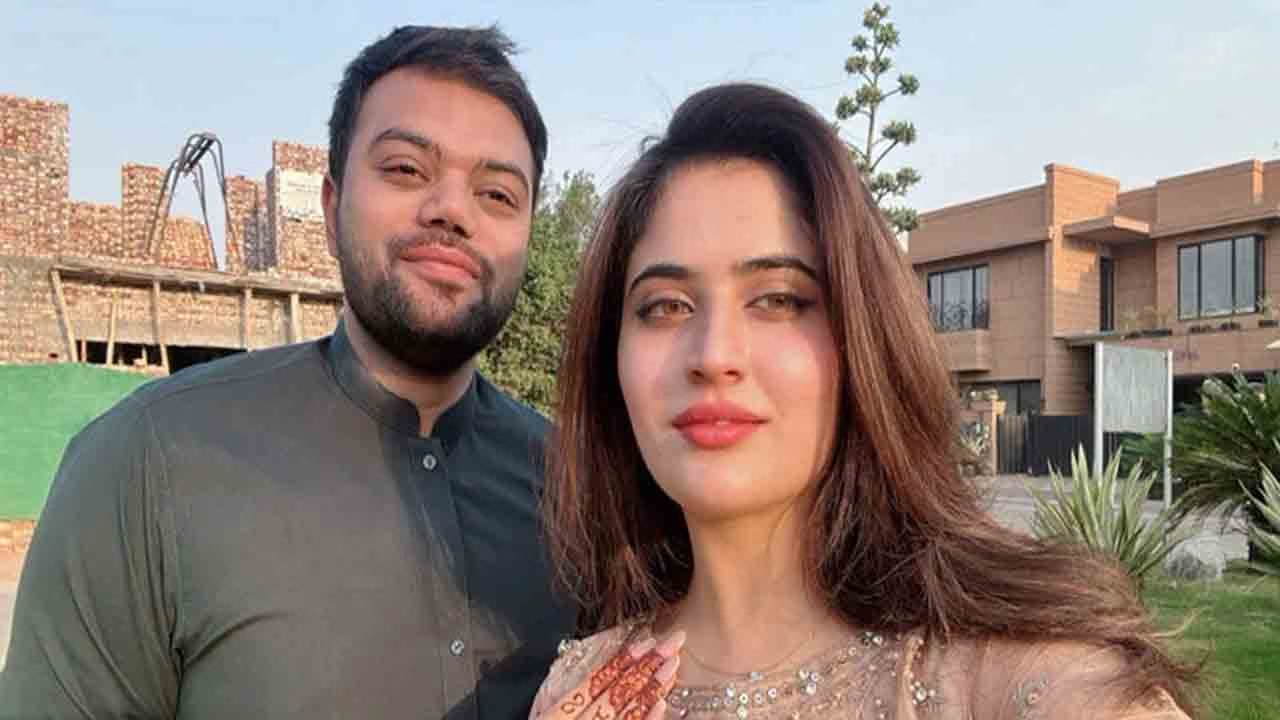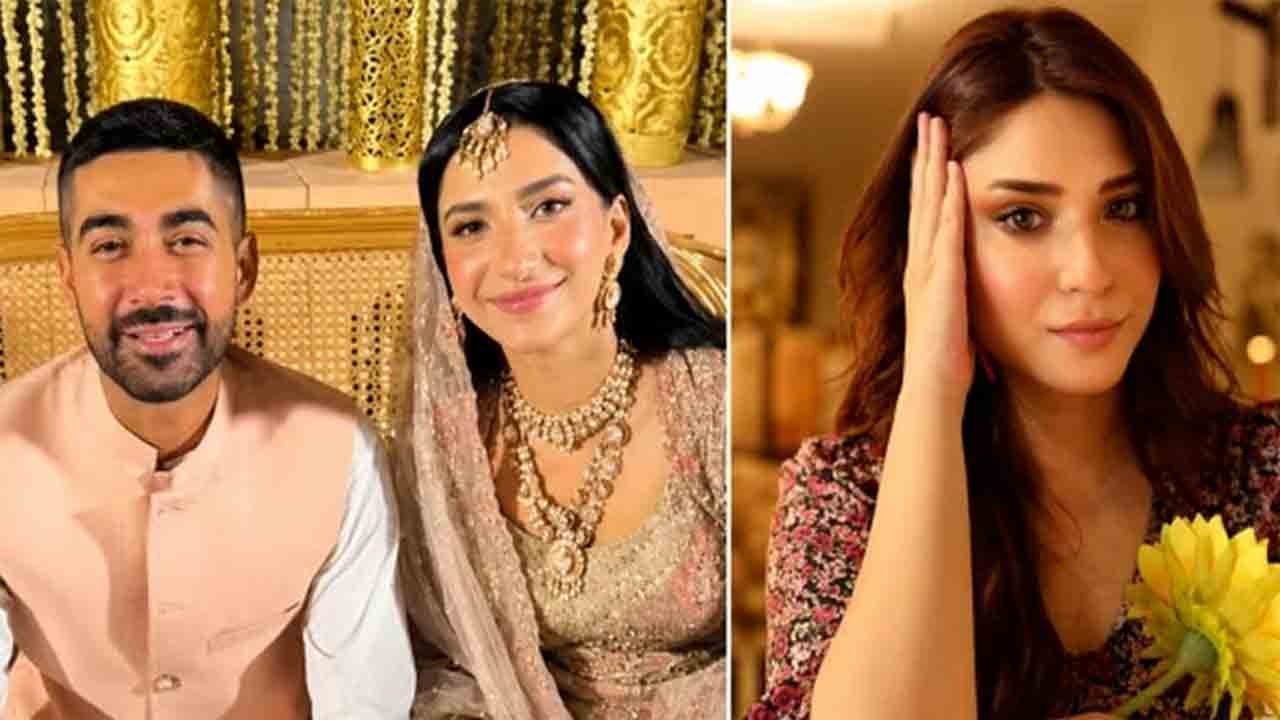
A recent Rimsha Khan sister wedding ceremony has attracted considerable attention on social media after videos from the Nikah went viral. The ceremony became a talking point because the couple expressed their consent in English rather than using the traditional “Qubool Hai” wording commonly heard at Pakistani weddings.
English Consent Sparks Debate
The Nikah ceremony took place during the day in the presence of family members and guests. Short clips from the event later circulated widely across social media platforms, bringing the wedding into the spotlight.
The use of English during the ceremony quickly became the main subject of discussion. Some social media users questioned why English was chosen for the Nikah instead of the familiar traditional format.
For many Pakistanis, the words “Qubool Hai” are strongly associated with the emotional and cultural atmosphere of a wedding. As a result, seeing the consent expressed in English felt unusual to some viewers.
However, the language used to express consent does not necessarily change the significance of the Nikah. What matters in an Islamic marriage is that the required conditions of the Nikah are fulfilled and that both parties clearly express their acceptance.
Mixed Reactions Online
The Rimsha Khan sister wedding generated mixed reactions among social media users. While some people appreciated the couple’s modern approach, others preferred the traditional style.
A number of commenters described the traditional “Qubool Hai” format as more elegant and emotionally meaningful. Others made sarcastic remarks about the way the bride spoke English, including comments about her accent.
Such reactions reflect a wider trend in which celebrity and public weddings are closely examined online. Even small details of a ceremony can quickly become viral discussion points once videos are shared across social media.
At the same time, online criticism has also raised questions about how much scrutiny should be directed toward private family celebrations.
Tradition and Modern Wedding Styles
Pakistani weddings often combine religious traditions with modern cultural influences. Couples may choose different languages, clothing styles, venues and forms of celebration while still following the essential requirements of the Nikah.
Using English during the exchange of consent can therefore be viewed as a personal choice rather than necessarily a rejection of tradition. English is widely understood among many Pakistani families, particularly in urban communities.
The reaction to the Rimsha Khan sister wedding also highlights how social media has changed the way wedding ceremonies are perceived. A moment that would once have remained within a small gathering can now reach thousands or even millions of viewers within hours.
Rimsha Khan Keeps a Low Profile
Amid the attention surrounding the wedding, actress Rimsha Khan reportedly remained away from the media spotlight during her sister’s celebrations.
Unlike some celebrity weddings, where family members frequently share photographs and videos online, Rimsha did not appear to make her presence a major feature of social media coverage.
She also did not share photographs or videos featuring her husband, Khushal Khan, during the wedding celebrations. Her decision to maintain privacy has itself attracted some attention from followers who regularly look for updates about celebrities’ personal lives.
However, not sharing personal photographs does not necessarily indicate anything unusual. Many public figures increasingly choose to keep family occasions private, particularly when social media attention can quickly become overwhelming.
Why Celebrity Weddings Attract Attention
Celebrity weddings have traditionally generated strong public interest in Pakistan. Fans are often interested in everything from wedding outfits and decorations to guest lists and ceremony details.
Social media has intensified that interest. A single video can become viral before the people featured in it have an opportunity to explain the context.
The Rimsha Khan sister wedding is another example of this phenomenon. The actual ceremony was a private family occasion, but the circulation of video clips transformed a small detail—the language used during the Nikah—into a broader online debate.
This can sometimes lead to unnecessary criticism, particularly when viewers judge a ceremony without knowing the family’s preferences or circumstances.
A Personal Choice or Cultural Shift?
The discussion surrounding the ceremony ultimately reflects the changing nature of Pakistani weddings. While traditional customs remain deeply important, younger couples increasingly incorporate contemporary elements into their celebrations.
Whether consent is expressed in Urdu, English or another language, the essential importance of the Nikah remains the same when its religious requirements are properly fulfilled.
The debate surrounding the Rimsha Khan sister wedding therefore says as much about changing social attitudes as it does about one particular ceremony. Some people will continue to prefer the traditional “Qubool Hai,” while others may feel comfortable using English.
The viral wedding videos have brought attention to an otherwise private family celebration, with social media users focusing heavily on the English Nikah and the bride’s accent. While opinions remain divided, the discussion demonstrates how quickly personal choices can become public debates in the digital age.
The Rimsha Khan sister wedding has ultimately become another example of the balance between tradition, personal choice and modern social-media culture in Pakistan.