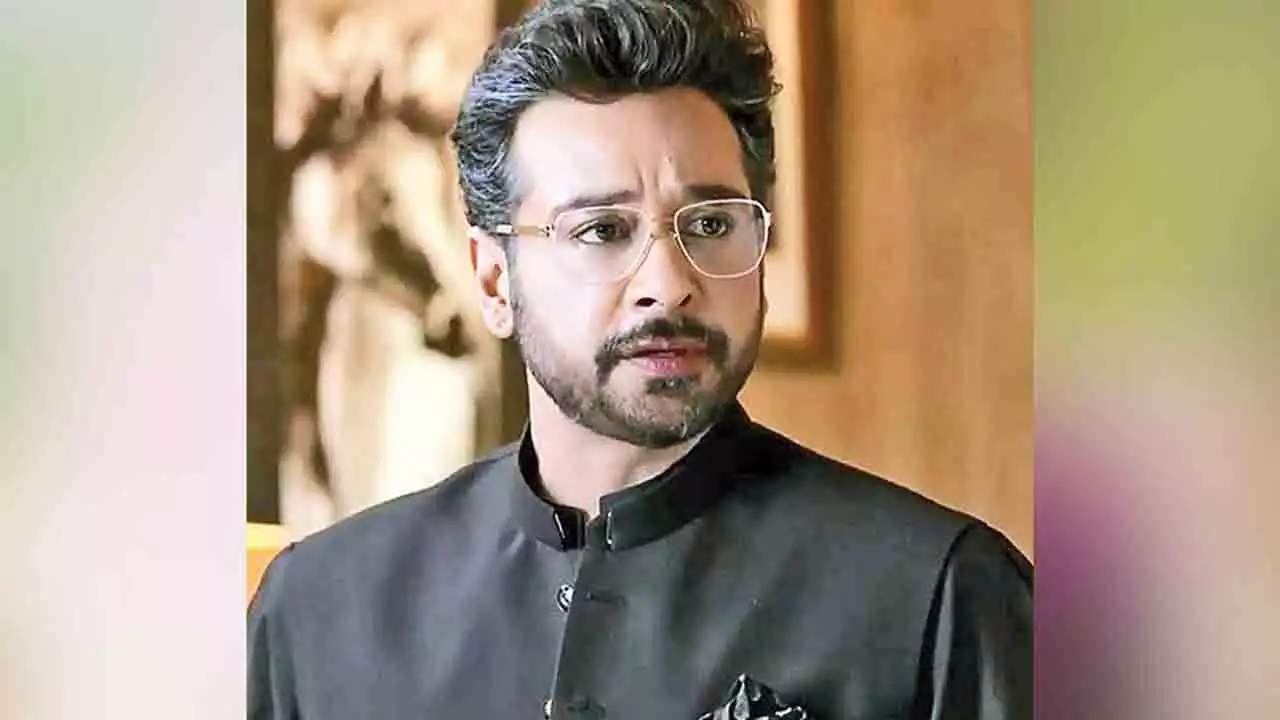
Pakistani Content on Netflix has long been a topic of discussion among viewers and entertainment industry professionals. Recently, renowned actor Faisal Qureshi shared his thoughts during a podcast, explaining why he believes Pakistani dramas and films have a limited presence on the global streaming platform. His comments sparked fresh conversations about the challenges facing Pakistan’s entertainment industry and the steps needed to reach a wider international audience.
According to Faisal Qureshi, several factors contribute to the limited availability of Pakistani productions on Netflix. He suggested that the issue is not based on a single reason but rather a combination of market dynamics, creative limitations, and audience behavior.
One of the key points raised by the actor was the importance of creative freedom. He explained that streaming platforms like Netflix often seek stories that portray societies in a realistic and balanced way, highlighting both their strengths and challenges. However, he believes filmmakers in Pakistan sometimes face restrictions when dealing with sensitive social or political issues.
Qureshi noted that many creators hesitate to explore controversial subjects openly because they fear criticism or potential difficulties after releasing such content. As a result, some stories may not fully reflect the realities that international audiences often appreciate in premium streaming productions.
The discussion around Pakistani Content on Netflix also touched on the commercial side of the entertainment business. Faisal Qureshi pointed out that Pakistan is still a relatively small market for Netflix compared to neighboring countries with much larger subscriber bases.
He explained that many Pakistani viewers access Netflix through shared accounts belonging to relatives or friends living abroad instead of purchasing individual subscriptions. In many cases, a single subscription is shared among multiple users, reducing the platform’s direct revenue from the Pakistani market.
From a business perspective, streaming companies prioritize markets where subscription numbers are higher and financial returns are stronger. This economic reality influences investment decisions, including the acquisition and production of local content.
Another observation made by the actor involved changing viewing habits among Pakistani audiences. According to Qureshi, before a new Pakistani film is even released in cinemas, many viewers ask when it will become available on YouTube. This reflects a growing preference for free or low-cost digital entertainment rather than paid streaming services.
These viewing habits directly affect the demand for Pakistani Content on Netflix. When audiences are less willing to pay for subscription-based platforms, international companies have fewer incentives to invest heavily in exclusive local productions.
Despite these challenges, Pakistan’s entertainment industry has made significant progress over the past decade. Pakistani television dramas have gained popularity across South Asia, the Middle East, and among overseas Pakistani communities. Their strong storytelling, emotional depth, and cultural authenticity have earned praise from international audiences.
Several Pakistani films have also received recognition at international film festivals, demonstrating that local filmmakers possess the talent and creativity to compete globally. However, achieving wider distribution through major streaming platforms requires more than creative excellence alone.
Industry experts believe that stronger investment in production quality, screenplay development, technical expertise, and international marketing could improve the global visibility of Pakistani Content on Netflix and other digital platforms.
Streaming services today compete by offering diverse stories from around the world. Successful productions from countries such as South Korea, Spain, Turkey, and India have demonstrated that local stories can achieve worldwide success when supported by high production values and effective distribution strategies.
Pakistan has similar potential. The country offers rich cultural traditions, diverse landscapes, compelling historical narratives, and talented actors capable of creating globally appealing content. With the right investment and creative freedom, Pakistani productions could reach much larger international audiences.
Collaboration between local production houses and international streaming platforms may also open new opportunities. Co-productions, regional partnerships, and independent filmmaking can help Pakistani creators showcase unique stories while meeting global production standards.
The conversation initiated by Faisal Qureshi also highlights the importance of supporting legal digital entertainment. As more viewers subscribe to official streaming services, platforms gain stronger incentives to expand their investment in local content. Consumer choices therefore play an important role in shaping the future of the entertainment industry.
Government support, film incentives, and investment in creative education can further strengthen Pakistan’s media sector. Encouraging innovation and providing filmmakers with greater opportunities to tell authentic stories may help local productions gain broader international recognition.
The future of Pakistani Content on Netflix depends on multiple factors, including audience demand, commercial viability, production quality, and creative independence. While challenges remain, the growing popularity of Pakistani storytelling shows that there is significant potential for expansion.
Faisal Qureshi’s remarks have renewed an important discussion about the direction of Pakistan’s entertainment industry. His perspective highlights both the obstacles and the opportunities facing local filmmakers in the digital streaming era. As viewing habits continue to evolve and the industry embraces new technologies, Pakistani Content on Netflix could become increasingly visible, allowing Pakistan’s stories, talent, and culture to reach audiences around the world.