Iran Military Coordination was the central focus of a high-level meeting held in Tehran between spokespersons of the Iranian Army and the Islamic Revolutionary Guard Corps (IRGC). The discussions highlighted efforts to improve communication, strengthen cooperation, and present a unified message during a period of heightened regional tensions and increasing international scrutiny. Iranian officials described the meeting as an important step toward enhancing coordination between the country’s major military institutions.
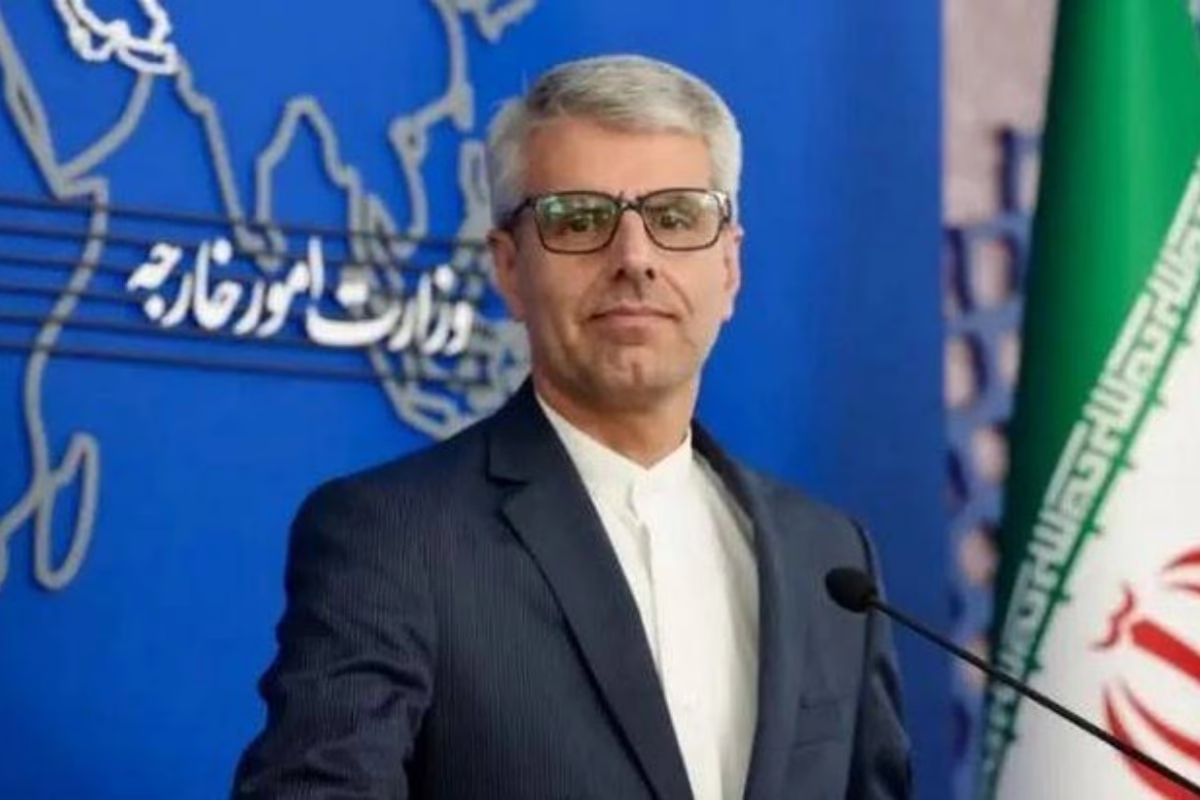
The meeting brought together Brigadier General Mohammad Akraminia, representing the Iranian Army, and Brigadier General Hossein Mohabi of the IRGC. Both officials discussed ways to improve media cooperation and address common communication challenges while ensuring that information released to the public remains clear, consistent, and coordinated.
According to Iranian officials, the discussions focused on developing stronger communication strategies that accurately represent the activities of the country’s armed forces. The participants emphasized that effective public communication has become increasingly important during periods of regional uncertainty, when military developments often receive significant international attention.
One of the primary goals of Iran Military Coordination is to ensure that different branches of the armed forces maintain a consistent public narrative. Coordinated communication helps avoid confusion, improves the delivery of official statements, and enables military institutions to respond more effectively to rapidly evolving events.
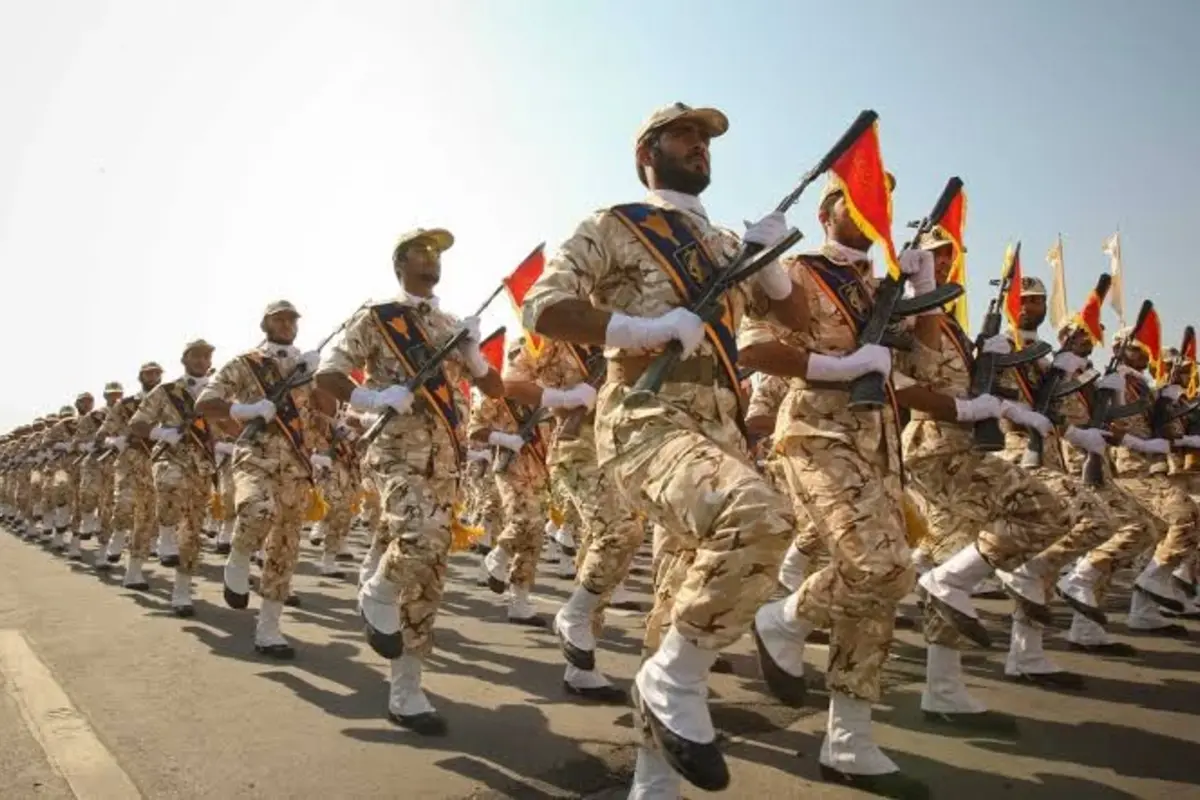
During the meeting, the Iranian Army also expressed support for the IRGC regarding ongoing international efforts by some governments to designate the organization as a terrorist entity. Iranian officials rejected such initiatives and described them as politically motivated actions aimed at increasing pressure on the country.
The two spokespersons reaffirmed what they described as the unity of Iran’s armed forces around the principles of Islam, the Islamic Revolution, and national interests. According to their statements, cooperation between military institutions remains an essential component of the country’s overall defense strategy.
The latest Iran Military Coordination meeting comes at a time of continuing regional instability. The Middle East has experienced heightened diplomatic tensions, security concerns, and military developments that have increased the importance of effective communication by national defense institutions. In such circumstances, governments often seek to present unified positions on security-related matters.
Military communication plays a significant role in shaping public understanding of defense policies and national security issues. Official spokespersons are responsible for providing accurate information, responding to public questions, and addressing reports that may circulate through traditional media and digital platforms. Coordinated messaging helps ensure consistency while reducing the possibility of conflicting statements.
The discussions also reflected the growing importance of strategic communication in modern security environments. Today’s military organizations not only focus on operational readiness but also recognize the need to communicate effectively with domestic and international audiences. Clear messaging can help explain government policies, clarify military activities, and reduce uncertainty during periods of heightened tension.
The Iran Military Coordination initiative demonstrates how governments increasingly view communication as an important element of national security. Alongside military capabilities, information management has become an essential component of responding to political, diplomatic, and security challenges in today’s interconnected world.
Regional developments have placed greater attention on Iran’s military institutions in recent months. Ongoing diplomatic disagreements, sanctions, and international debates regarding regional security continue to influence discussions involving the country’s defense policies. Against this backdrop, Iranian officials appear focused on reinforcing institutional unity and presenting coordinated public messaging.
Experts note that military organizations worldwide often strengthen internal communication during periods of geopolitical uncertainty. Coordinated public statements help maintain organizational consistency while ensuring that official information reaches both domestic and international audiences in a timely manner.
The meeting between Army and IRGC representatives also highlighted the role of institutional cooperation beyond operational matters. Communication, media engagement, and public information management have become increasingly important responsibilities for defense organizations operating in complex international environments.
The broader significance of Iran Military Coordination extends beyond media relations. Effective cooperation between military institutions can support organizational efficiency, improve crisis communication, and strengthen coordination across different branches of the armed forces. Such efforts are commonly viewed as part of broader institutional management rather than solely operational planning.
At the same time, international attention surrounding the IRGC continues to influence diplomatic discussions involving Iran. Various governments maintain differing positions regarding the organization, contributing to ongoing debates in international political and security forums. Iranian authorities have consistently opposed external measures targeting the IRGC and continue to defend its role within the country’s defense structure.
As regional developments continue to evolve, communication strategies are likely to remain an important aspect of national security planning. Military spokespersons increasingly serve as key representatives responsible for explaining official positions, responding to developments, and maintaining transparency where appropriate.
The recent Iran Military Coordination meeting reflects Tehran’s intention to strengthen cooperation between its major defense institutions while emphasizing unity during a period of ongoing regional and international challenges. By improving media coordination and reinforcing consistent communication, Iranian officials aim to present a unified institutional approach to security-related issues. Whether addressing domestic audiences or responding to international developments, coordinated messaging will likely remain an important part of Iran’s broader communication strategy in the months ahead.