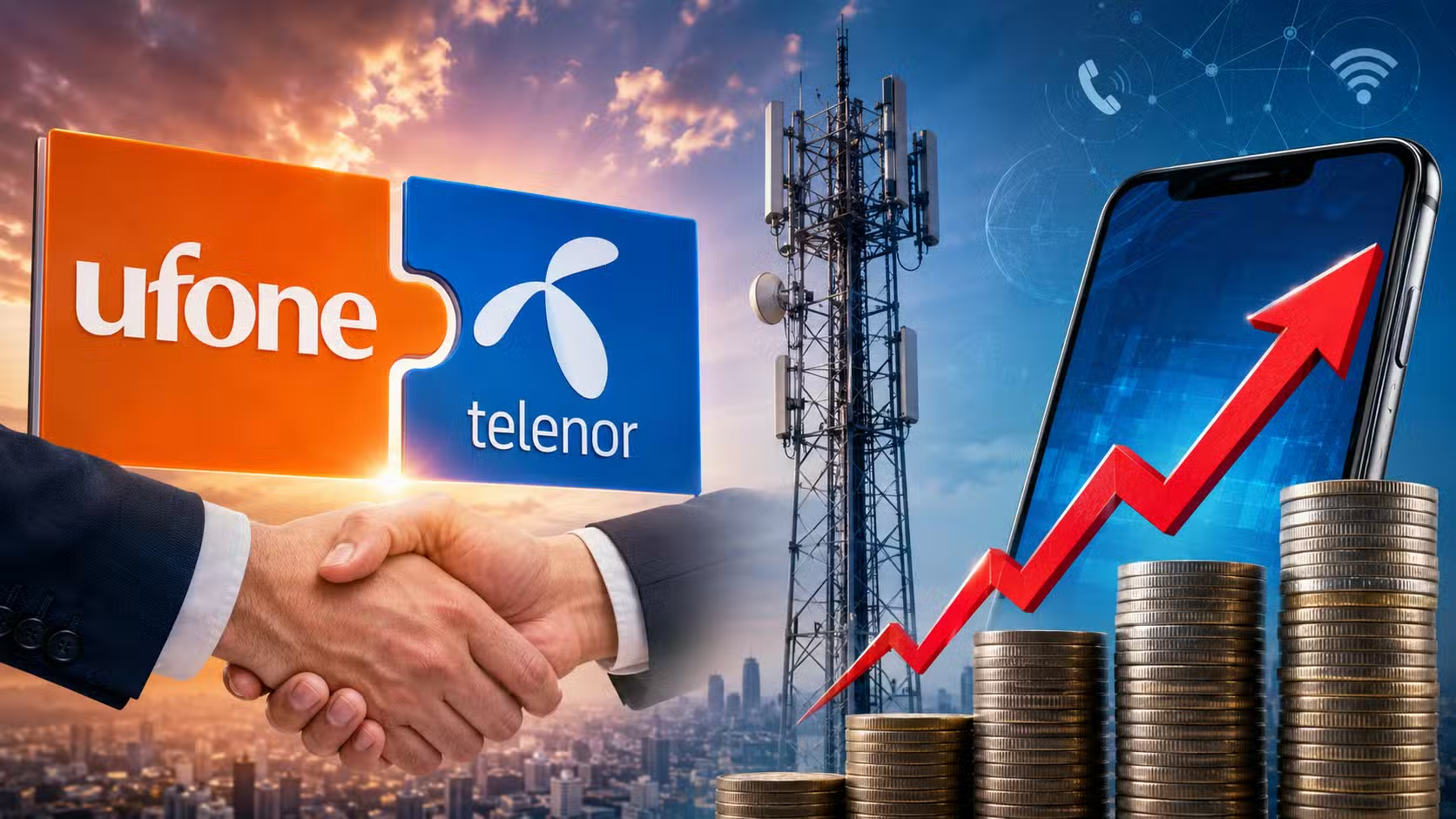
The Ufone Telenor Merger could bring significant changes to Pakistan’s telecom industry, with reports suggesting that mobile users may soon face higher call, SMS, and internet package prices. Following the completion of the merger between Pak Telecom Mobile Limited (PTML), Ufone’s parent company, and Telenor Pakistan, industry sources believe the newly combined operator may approach the Pakistan Telecommunication Authority (PTA) to seek approval for revised mobile tariffs.
Although no official request has been submitted yet, the development has sparked discussions about how the merger may reshape competition and pricing across the country’s telecom market.
A New Telecom Giant Emerges
The Ufone Telenor Merger officially became effective after receiving approval from the Islamabad High Court. As a result, Telenor Pakistan has ceased to exist as a separate company, with all its assets, customers, liabilities, and operations now becoming part of PTML.
The merged company is expected to become Pakistan’s largest mobile operator based on subscriber market share. This new position could strengthen its influence within the telecom industry and potentially shape future pricing strategies.
With millions of subscribers under one network, the company will play a major role in Pakistan’s evolving telecommunications landscape.
Why Tariff Increases Are Being Discussed
According to industry sources, the merged company is expected to seek approval from the PTA for higher mobile tariffs in the coming months.
Historically, when the market leader receives permission to revise prices, other telecom operators often follow with similar requests. This means that if the PTA approves higher tariffs for the merged company, customers across different mobile networks may eventually experience price increases.
While the company has not officially announced any tariff changes, industry experts believe such discussions are likely as operational costs continue to rise.
Lessons from Previous Telecom Mergers
The Ufone Telenor Merger is not the first major consolidation in Pakistan’s telecom sector.
A similar situation occurred in 2016 when Mobilink merged with Warid to form Jazz. Following that merger, customers witnessed gradual increases in mobile packages, internet bundles, and call rates.
At the time, Jazz explained that higher operating costs, currency depreciation, and heavy taxation required adjustments to pricing. The company’s tariff revisions remained under regulatory review while competitors eventually introduced similar pricing structures.
This historical pattern has led analysts to believe that another industry-wide pricing shift could follow the latest merger.
Company Response
When approached for comments regarding possible tariff revisions, PTML maintained a cautious stance.
Saad Warraich, Director of Corporate Communications at PTML, stated that the company’s immediate priority remains ensuring uninterrupted services and delivering a smooth experience for customers.
He added that the organization is currently working on future commercial and branding strategies, with further announcements expected at an appropriate time.
The statement neither confirmed nor denied future pricing adjustments.
What This Means for Mobile Users
If the Ufone Telenor Merger eventually leads to higher tariffs, mobile users across Pakistan could notice changes in several services, including:
- Monthly internet packages
- Call bundle prices
- SMS package costs
- Hybrid and prepaid offers
- Postpaid subscription plans
However, it is important to note that no official tariff increase has been approved at this stage.
Any future revisions would still require PTA’s regulatory approval before implementation.
The Role of PTA
The Pakistan Telecommunication Authority plays an important role in regulating mobile tariffs.
Before operators can revise prices, they must obtain approval from the regulator. PTA carefully reviews pricing proposals to ensure they remain reasonable for consumers while allowing telecom companies to maintain sustainable operations.
If PTML submits a request following the Ufone Telenor Merger, the authority will evaluate various economic and industry factors before making a final decision.
Consumers are therefore unlikely to see immediate changes until the regulatory process is completed.
Challenges Facing Pakistan’s Telecom Industry
Pakistan’s telecom sector has been dealing with multiple financial challenges in recent years.
These include:
- Rising infrastructure costs
- Currency depreciation
- High taxation
- Increased energy prices
- Growing demand for network upgrades
- Expansion of 4G and future 5G services
Telecom operators argue that maintaining quality service while investing in modern infrastructure requires sufficient financial resources.
At the same time, regulators must balance company sustainability with consumer affordability.
Competition Remains Important
Although the merged company will become the largest operator by subscriber base, Pakistan’s telecom market will continue to include several major competitors.
Jazz, Zong, and other service providers will remain active in attracting customers through competitive pricing, network quality, and promotional offers.
Strong market competition may help limit excessive price increases while encouraging operators to improve service quality.
Consumers will continue to have multiple choices when selecting mobile services.
The Ufone Telenor Merger marks one of the biggest structural changes in Pakistan’s telecommunications industry in recent years.
While speculation about future tariff revisions continues, customers should remember that no official pricing changes have been announced or approved.
The merged company is expected to finalize its commercial strategy before making any formal proposals to the PTA.
For now, existing packages and services are expected to continue operating normally until any future regulatory decisions are made.
The completion of the Ufone Telenor Merger has created Pakistan’s largest mobile operator, opening a new chapter for the country’s telecom industry. Reports suggest the company may seek higher mobile tariffs to address rising operational costs, although no official request has yet been submitted. Any future pricing revisions will depend on PTA approval and broader market conditions. Until then, customers can expect business to continue as usual while closely watching how this landmark merger shapes the future of mobile services in Pakistan.