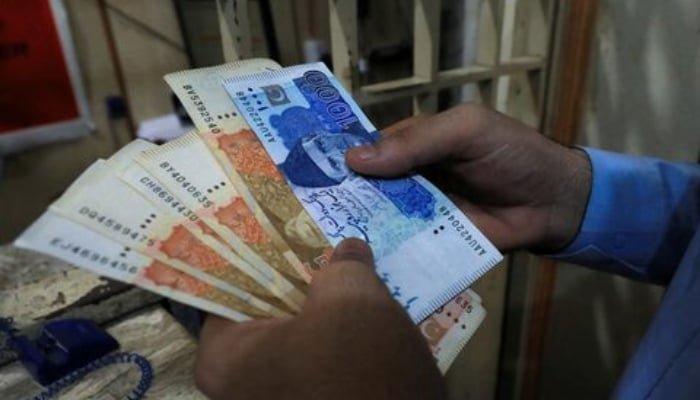
The Pakistan Audit Report 2025 has uncovered widespread financial irregularities, governance failures, and weak oversight across several federal ministries and public institutions. Released by the Auditor General of Pakistan, the report raises serious concerns about public financial management, highlighting trillions of rupees in unrecovered funds, unauthorized investments, procurement violations, and poor accountability. The findings have once again sparked debate over transparency, fiscal discipline, and the need for stronger oversight of government spending.
Major Findings Raise Accountability Questions
The 399-page audit report paints a concerning picture of financial management during the 2024-25 fiscal year. Auditors identified irregular expenditures, missing records, delayed recoveries, and violations of financial rules in numerous ministries, divisions, and autonomous organizations.
Among the institutions with the highest number of audit observations were the Higher Education Commission, Trade Development Authority of Pakistan (TDAP), Ministry of National Food Security, Ministry of Science and Technology, Pakistan Atomic Energy Commission, National Heritage and Culture Division, and the Ministry of National Health Services.
The report suggests that weak internal controls continue to affect the efficient use of public funds across multiple government departments.
Rs75 Billion Development Programme Under Scrutiny
One of the most significant observations in the Pakistan Audit Report 2025 concerns the Cabinet Division’s management of Rs75 billion allocated under the Sustainable Development Goal Achievement Programme (SAP), commonly referred to as MPs’ development schemes.
Auditors found that the Cabinet Division failed to obtain mandatory progress reports and project completion certificates from implementing agencies. Due to missing project-wise and region-wise records, auditors were unable to verify whether funds had been distributed fairly or used according to their intended objectives.
The report recommends introducing a centralized digital monitoring system to improve transparency and ensure better tracking of development funds in the future.
Massive Outstanding Foreign Loan Recoveries
Another major concern involves the Economic Affairs Division, where auditors identified approximately Rs1.927 trillion in outstanding liabilities linked to foreign relent loans.
According to the report, these principal amounts, interest payments, and exchange-risk liabilities remain unrecovered from various state-owned enterprises. The lack of recovery raises concerns about financial sustainability and the government’s ability to manage public debt effectively.
Universities Face Financial Irregularities
The Pakistan Audit Report 2025 also highlights several issues within higher education institutions.
Quaid-i-Azam University remains affected by the illegal occupation of nearly 298 acres of land that has reportedly remained encroached upon for decades. Auditors urged university management to actively pursue recovery of the land.
Additionally, the university was criticized for failing to deposit deducted income tax into the government treasury and for retaining scholarship funds rather than utilizing them promptly according to approved objectives.
Other observations included unauthorized investments made without approved financial policies.
Procurement and Spending Concerns
Several ministries were criticized for procurement irregularities and questionable financial decisions.
The Ministry of National Health Services reportedly purchased vaccines at higher prices due to non-compliance with cabinet decisions. Auditors also questioned medicine procurement practices and consultant payments at various public healthcare institutions.
Similarly, the Ministry of National Food Security faced criticism over unrecovered cotton standardization fees, delayed investigations into a government aircraft crash, and unused aircraft that remained idle for years instead of being auctioned.
These findings point to weaknesses in procurement planning and resource management.
Science and Technology Ministry Under Pressure
The Ministry of Science and Technology received some of the largest financial observations in the audit.
According to the report, the Pakistan Standards and Quality Control Authority failed to impose late-payment charges, resulting in an estimated loss of Rs59 billion. Auditors also noted unauthorized bank accounts, delayed withdrawal of matured investments, and failure to transfer surplus funds into the Federal Consolidated Fund.
These observations raise concerns about compliance with financial regulations and effective cash management.
TDAP and Maritime Sector Findings
The Trade Development Authority of Pakistan also came under significant audit scrutiny.
Major observations included irregular retention of income, excess spending on international exhibitions, unpaid liabilities, and failure to recover valuable government land allegedly occupied by other organizations.
Meanwhile, the Karachi Dock Labour Board faced audit objections involving unrecovered cess collections, recurring financial losses, irregular bonus payments, and procurement-related issues.
Together, these findings indicate persistent weaknesses in financial planning and internal governance.
Need for Stronger Financial Controls
Throughout the report, auditors repeatedly highlighted common issues affecting multiple institutions, including poor record-keeping, delayed reconciliations, unauthorized investments, missing financial statements, and failure to respond to audit observations.
Several departments either provided no explanation for the identified irregularities or defended practices that auditors considered inconsistent with established financial rules.
The report emphasizes the urgent need to strengthen internal audit systems, improve financial reporting, and ensure timely implementation of audit recommendations.
The Pakistan Audit Report 2025 serves as an important reminder of the challenges facing public financial management in Pakistan. While audit observations do not necessarily establish criminal wrongdoing, they identify significant weaknesses that require immediate attention from policymakers, oversight bodies, and government institutions.
Improving transparency, strengthening internal controls, digitizing financial monitoring systems, and ensuring timely accountability can help reduce financial irregularities and improve public confidence in government institutions. As Parliament and relevant authorities review these findings, the focus will likely remain on implementing reforms that promote responsible use of public resources and stronger governance across the federal administration.