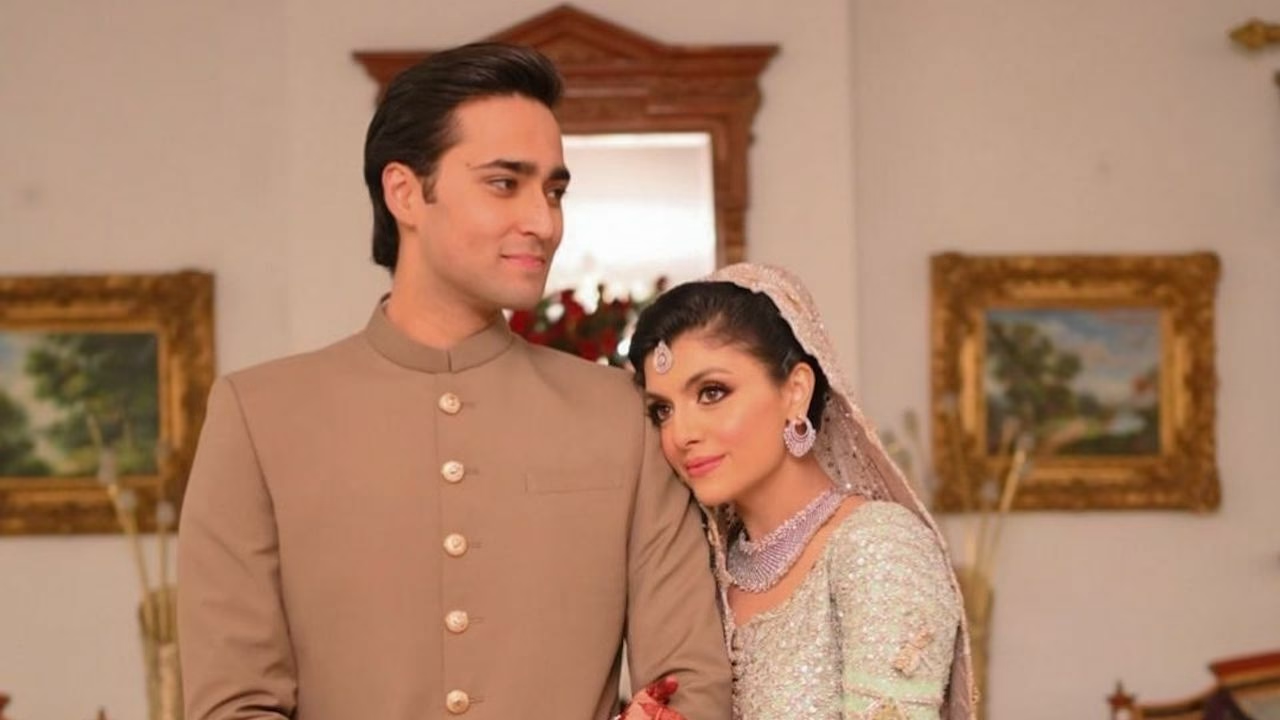
The discussion about TV Drama Characters and their influence on audiences has gained attention after actress Nimra Shahid shared her views on how aggressive and emotional male characters are often portrayed in Pakistani dramas. According to the actress, it is not necessarily aggression that attracts viewers, but rather the way these characters are presented on screen through storytelling, visuals, music, and performance. Her comments have sparked a broader conversation about how television shapes audience perceptions, especially among young viewers.
Television dramas remain one of the most influential forms of entertainment in Pakistan. Millions of people follow popular serials daily, making television a powerful medium that can influence opinions, behaviors, and social expectations. As a result, the portrayal of TV Drama Characters often becomes a topic of public discussion.
The Appeal of Strong Male Characters
One reason certain TV Drama Characters become popular is their strong screen presence. Viewers often connect with characters who appear confident, determined, and emotionally expressive. These qualities can make a character memorable, regardless of whether they are portrayed as heroes or flawed individuals.
Nimra Shahid pointed out that actors such as Danish Taimoor and Bilal Abbas have a natural charm that attracts audiences. Their popularity is not solely based on the roles they play but also on their acting skills, screen presence, and ability to connect with viewers emotionally.
When audiences admire a character, they often associate that admiration with the actor portraying the role. This can make certain personalities more appealing and memorable.
The Power of Presentation
The success of TV Drama Characters is not determined by acting alone. Television productions use several techniques to make characters more attractive and impactful.
Cinematography, lighting, background music, costumes, and camera angles all contribute to how viewers perceive a character. A dramatic scene accompanied by emotional music can make a character appear more heroic or romantic. Similarly, close-up shots and carefully designed visuals can emphasize a character’s appearance and emotions.
These creative choices help shape audience reactions and strengthen emotional connections with fictional personalities.
Why Viewers Become Emotionally Invested
One of the reasons TV Drama Characters influence audiences is because viewers spend weeks or even months following their stories. As a result, audiences develop emotional attachments to the characters and their journeys.
When a drama successfully portrays love, sacrifice, struggle, or personal growth, viewers may relate these experiences to their own lives. This emotional connection makes the story more engaging and memorable.
For younger viewers especially, repeated exposure to certain character traits can influence perceptions about relationships, success, and ideal personality types.
The Debate Around Aggressive Characters
The portrayal of aggressive male characters has often generated debate in the entertainment industry. Critics argue that glorifying toxic behavior can send the wrong message, while supporters believe such characters are simply part of fictional storytelling.
According to Nimra Shahid, the attraction is not necessarily toward aggression itself but toward how TV Drama Characters are presented. A well-written character with strong emotions and a compelling storyline can attract viewers even if some aspects of the personality are flawed.
This highlights the importance of balanced storytelling. Audiences are often capable of distinguishing between fiction and reality, but responsible character development remains essential.
Pakistani Dramas and Audience Preferences
Pakistani television dramas have built a loyal audience by focusing on family relationships, romance, and social issues. Unlike some international streaming platforms that experiment with unconventional storytelling, local productions often prioritize themes that resonate with traditional audiences.
The popularity of certain TV Drama Characters reflects these preferences. Viewers frequently appreciate characters who display loyalty, emotional depth, and commitment to their loved ones.
This explains why many actors who portray emotionally driven roles continue to enjoy widespread popularity among television audiences.
The Importance of Responsible Storytelling
Writers and directors play a significant role in shaping TV Drama Characters. The choices they make can influence how audiences interpret relationships, social values, and personal behavior.
Entertainment does not exist in isolation from society. Television has the ability to start conversations, challenge assumptions, and promote positive messages. For this reason, many industry experts encourage creators to develop complex characters who reflect both strengths and weaknesses realistically.
Balanced storytelling allows audiences to enjoy compelling narratives while also encouraging thoughtful discussion about important issues.
Nimra Shahid’s Perspective
Nimra Shahid’s comments have added an interesting perspective to the ongoing discussion about television content. Rather than blaming viewers for their preferences, she highlighted how production techniques and storytelling influence audience perceptions.
Her admiration for actors like Danish Taimoor and Bilal Abbas also reflects the reality that talented performers can make any role more engaging. Strong performances often contribute significantly to the popularity of TV Drama Characters, regardless of the genre or storyline.
The influence of TV Drama Characters on audiences remains an important topic in Pakistan’s entertainment industry. Characters become popular not only because of their personalities but also because of how they are written, presented, and performed.
As television continues to evolve, creators will face the challenge of balancing entertainment with responsible storytelling. While viewers enjoy compelling and emotionally engaging characters, there is also growing awareness about the messages these portrayals can communicate.
Ultimately, successful dramas are those that entertain audiences while encouraging meaningful conversations about society, relationships, and human behavior.