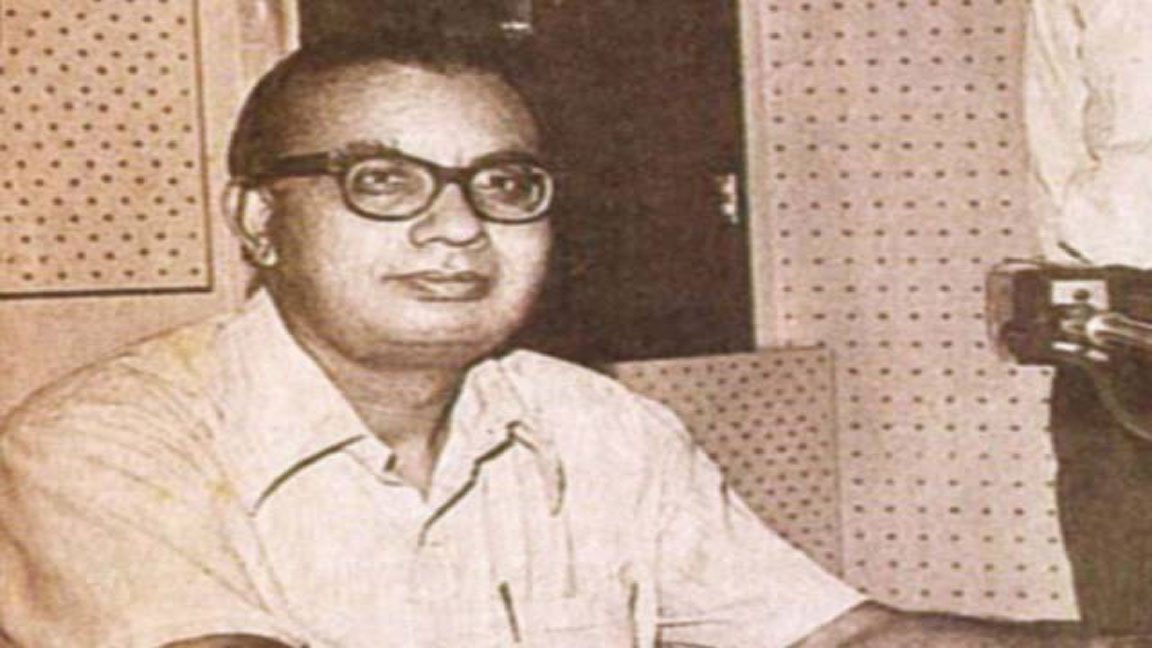
The Mufti Qavi Viral Video has become one of the most discussed topics on social media, attracting widespread attention from internet users across Pakistan. The video features Mufti Abdul Qavi alongside influencer Fariha Farrukh, and their interaction has triggered a wave of reactions, discussions, and memes online.
As the clip continued to circulate across various social media platforms, users shared mixed opinions about the statements made in the video. While some viewed the interaction as harmless and entertaining, others debated the tone and message delivered by the well-known religious figure.
What Happened in the Viral Video?
The Mufti Qavi Viral Video shows the religious scholar introducing influencer Fariha Farrukh as his “granddaughter.” During the conversation, he expressed support for her and warned critics against making negative comments or targeting her online.
He emphasized the importance of positivity and encouraged younger generations to use respectful language. His comments were delivered in his characteristic style, which many viewers found both unusual and attention-grabbing.
The video quickly gained traction on social media, with thousands of users watching, sharing, and commenting on the clip within a short period.
Why the Video Became Popular
There are several reasons why the Mufti Qavi Viral Video attracted so much attention. First, Mufti Abdul Qavi is already a well-known public figure who frequently appears in media discussions and often generates headlines because of his statements and public appearances.
Secondly, the involvement of a social media influencer added another layer of public interest. Influencers often have large online followings, and any collaboration or interaction involving them can spread rapidly across digital platforms.
The combination of a religious personality and a social media influencer created a unique scenario that naturally captured public curiosity.
Social Media Reactions
One of the biggest reasons the Mufti Qavi Viral Video remained a trending topic was the reaction from social media users. Platforms such as Facebook, Instagram, TikTok, and X were filled with comments, memes, and humorous takes related to the clip.
Some users appreciated Mufti Qavi’s message about positivity and respectful communication. They argued that encouraging young people to use kind language online is a valuable message in today’s digital world.
Others focused on the way the message was delivered, creating jokes and humorous content that quickly gained popularity. As is often the case with viral moments, public reactions ranged from serious discussions to lighthearted entertainment.
The Role of Viral Content in Modern Media
The popularity of the Mufti Qavi Viral Video also highlights the growing influence of social media in shaping public conversations. A short video clip can now reach millions of people within hours and become a national topic of discussion.
Unlike traditional media, social media allows users to instantly react, share opinions, and create their own interpretations of events. This often amplifies the reach of content far beyond its original audience.
As a result, public figures must navigate an environment where every statement and appearance can potentially become viral.
Online Reputation and Public Figures
The incident serves as a reminder of the challenges faced by public figures in the digital age. Whether they are politicians, scholars, entertainers, or influencers, their words and actions are constantly being examined by online audiences.
The Mufti Qavi Viral Video demonstrates how quickly a simple interaction can become the center of public attention. Supporters and critics alike use social media to express their opinions, often creating multiple narratives around the same event.
This environment makes reputation management increasingly important for anyone with a public presence.
The Importance of Positive Communication
Despite the controversy and online debates, one of the central themes of the video was the importance of positive communication. Mufti Qavi encouraged younger generations to use polite language and maintain a constructive attitude.
In today’s digital landscape, where online arguments and negative comments are common, promoting respectful interaction remains an important message. Social media platforms can be powerful tools for communication, but they also require responsible use.
Many observers noted that this aspect of the discussion deserved attention regardless of differing opinions about the overall video.
What This Means for Influencers and Content Creators
The Mufti Qavi Viral Video also reflects the growing influence of content creators and social media personalities. Influencers are increasingly collaborating with public figures from different backgrounds, creating content that reaches diverse audiences.
These interactions often generate significant engagement because they bring together communities that might not normally overlap. As digital culture continues to evolve, such collaborations are likely to become even more common.
For influencers, viral moments can increase visibility and audience growth, while also exposing them to greater public scrutiny.
The Mufti Qavi Viral Video has sparked widespread discussion, demonstrating the power of social media to turn ordinary interactions into national conversations. Whether viewed as a serious message, an entertaining moment, or a topic for debate, the video has successfully captured public attention.
As reactions continue online, the incident serves as another example of how digital platforms shape modern public discourse. In an era where viral content can influence conversations across the country, messages about positivity, respectful communication, and responsible online behavior remain more relevant than ever.