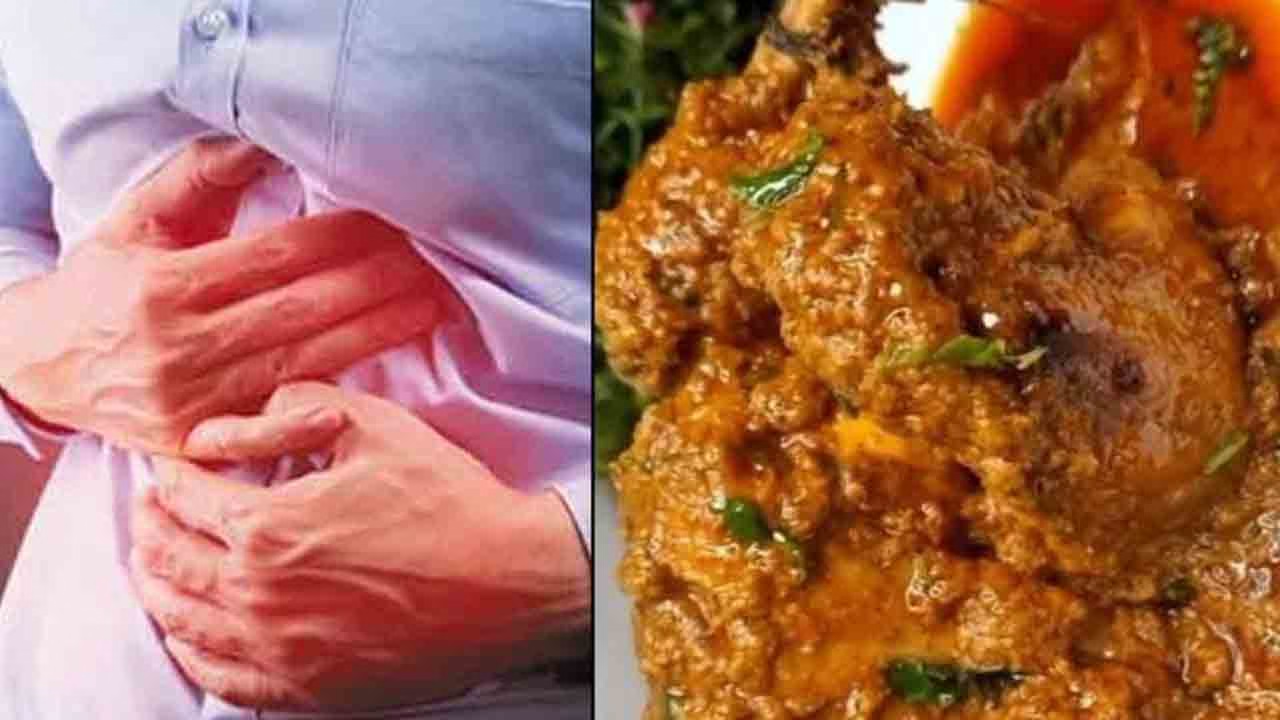
Post-Eid Digestive Problems have become a major concern in hospitals across major cities, with thousands of patients reporting stomach discomfort after heavy festive eating. Doctors say that Post-Eid Digestive Problems are increasing every year due to excessive meat intake, fatty foods, and lack of dietary balance during Eid celebrations.
Rising cases of stomach issues after Eid
Hospitals in Lahore and other cities have reported a sharp increase in patients suffering from gastrointestinal distress. Facilities such as Mayo Hospital, Jinnah Hospital, and Services Hospital have treated thousands of individuals within a short span of time. Many patients are also being treated for acidity, bloating, food poisoning, and indigestion.
Medical experts link this surge directly to Post-Eid Digestive Problems, which are commonly triggered by overeating rich meat dishes, barbecues, and oily foods. During Eid, people often consume food in large quantities without considering digestion limits, which puts pressure on the stomach and liver.
Why Post-Eid Digestive Problems are increasing
Doctors explain that the human digestive system needs balance. When large amounts of red meat and fatty food are consumed in a short time, the stomach produces extra acid, which leads to discomfort. Lack of fiber, water, and vegetables during festive meals further worsens the situation.
Another key factor behind Post-Eid Digestive Problems is the habit of eating continuously throughout the day. Many people keep eating leftovers from morning to night without giving their digestive system enough time to rest. This results in bloating, gas, and sometimes severe stomach infections.
Medical advice for safe recovery
Health professionals strongly advise moderation after Eid. According to specialists, eating meat in small portions along with vegetables helps the digestive system recover faster. Foods like yogurt, salads, lemon water, and fiber-rich vegetables play an important role in improving digestion and reducing acidity.
Doctors warn that consuming more than two to three small pieces of meat at a time can trigger Post-Eid Digestive Problems, especially when combined with fried foods and sugary drinks. Cold beverages and excessive spices also slow down digestion and should be avoided for a few days after Eid.
Special precautions for patients
Medical experts also highlight that people with existing health conditions need extra care. Diabetic patients are advised to avoid fatty meat and sugary drinks, as these can worsen blood sugar levels and increase the risk of complications linked with Post-Eid Digestive Problems.
Similarly, individuals with high blood pressure should reduce salt and avoid spicy meat dishes. Organ meats such as liver should also be limited, as they are high in cholesterol. For people suffering from uric acid issues, red meat intake should be minimal to prevent joint pain and inflammation.
Heart patients are advised to prefer lean meat such as goat or chicken without skin or excess fat. These choices can help reduce strain on the cardiovascular system and lower the risk of post-festive complications.
Importance of balanced eating habits
Doctors emphasize that Eid celebrations should focus on joy, not overindulgence. Maintaining balance during meals can significantly reduce the risk of Post-Eid Digestive Problems. Eating slowly, chewing properly, and drinking enough water are simple habits that can make a big difference.
Including fruits and vegetables in daily meals after Eid helps restore digestive health. Walking after meals also supports better metabolism and reduces bloating.
Post-Eid Digestive Problems are preventable if proper care is taken during and after festive meals. While Eid is a time of celebration, health should remain a priority. By practicing moderation and following medical advice, people can enjoy the festivities without facing unnecessary hospital visits or discomfort.
Maintaining a balanced diet, avoiding excessive meat consumption, and focusing on hydration are key steps to ensuring a healthy recovery after Eid celebrations.