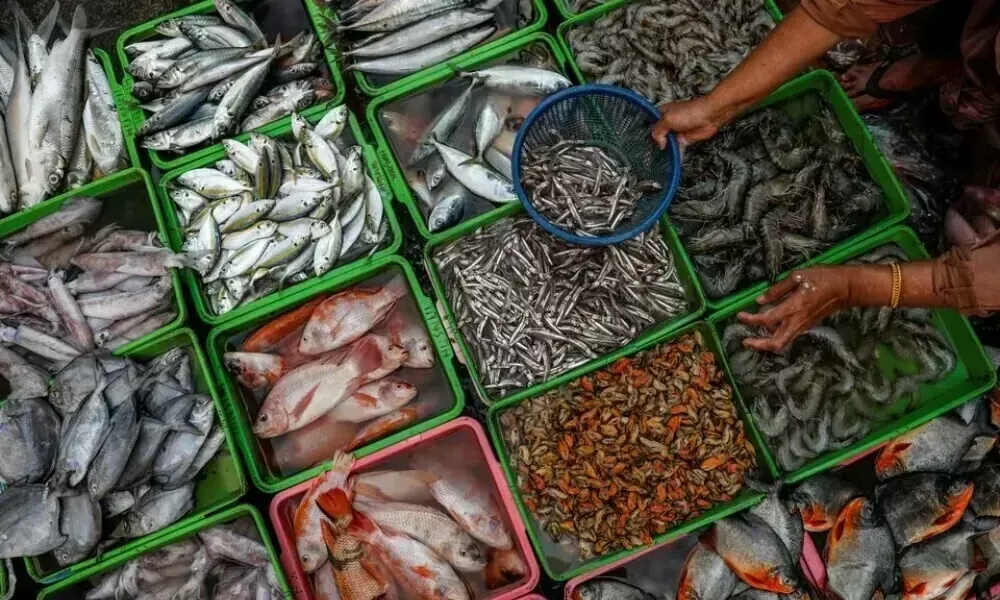
Pakistan’s maritime sector has achieved a major milestone as Pakistan seafood exports crossed the $500 million mark for the first time in history. Federal Minister for Maritime Affairs Muhammad Junaid Anwar Chaudhry described the achievement as a landmark moment for the country’s blue economy and fisheries industry.
The government had set a target of $500 million for the current fiscal year, but the goal was reached 46 days ahead of schedule. Officials say the success reflects strong reforms, improved international market access, and growing global demand for Pakistani seafood products.
This development has created optimism within Pakistan’s export sector, especially as the country continues to search for new ways to strengthen foreign exchange earnings and expand international trade opportunities.
Growth of the Fisheries Sector
The impressive rise in Pakistan seafood exports did not happen overnight. Over the past few years, the government and private sector have worked together to modernize the fisheries industry, improve processing standards, and expand export routes.
According to official figures, the marine fisheries sector showed strong growth during the first half of fiscal year 2025–26. Between July and December 2025, Pakistan exported more than 122,000 metric tonnes of seafood products valued at over $253 million.
Compared to the previous year, export volume increased by 19.1%, while export value rose by 21.6%. These numbers highlight the growing international confidence in Pakistani seafood quality and processing standards.
Officials also credited the efforts of the Ministry of Maritime Affairs and the Marine Fisheries Department for helping local exporters meet international safety and quality requirements.
Russia Opens a New Market
One of the biggest achievements behind the growth of Pakistan seafood exports is Pakistan’s successful entry into the Russian market. For the first time, Pakistani fish and seafood products have received approval for export to Russia.
Currently, 16 Pakistani companies have been authorized to export seafood products there. Experts believe this breakthrough could help Pakistan gain access to other countries within the Eurasian Economic Union as well.
The government expects seafood exports to Russia alone could eventually generate nearly $300 million in annual revenue. This would significantly strengthen Pakistan’s overall export performance and create new opportunities for fisheries businesses.
The opening of new international markets is especially important because it reduces dependence on a limited number of buyers and creates more stability for exporters.
China Remains the Largest Buyer
While Russia offers new opportunities, China remains the biggest destination for Pakistan seafood exports. Reports show China imported more than 83,000 tonnes of seafood products from Pakistan worth approximately $149 million.
That accounts for nearly 59% of Pakistan’s total seafood exports. Chinese demand for frozen fish, shrimps, prawns, and processed seafood products continues to grow steadily.
Thailand also remained one of the top importers, particularly for HACCP-certified shrimp and prawn products. Meanwhile, exports to countries like the United Arab Emirates, Malaysia, Japan, Saudi Arabia, Vietnam, Kuwait, and the United States also showed positive growth.
The diversification of export markets is helping Pakistan reduce trade risks while expanding its international presence.
Investment in Seafood Infrastructure
The government is now planning major investments to support future growth in Pakistan seafood exports. One of the biggest projects announced is the development of a 100-acre seafood processing and export zone at the Korangi Fisheries Harbour Authority.
The project is estimated to cost between $60 million and $80 million and will include modern processing plants, cold storage facilities, blast-freezing systems, and export-grade packaging centers.
Officials say the new zone could house up to 25 medium and large seafood processing units focused on fish, shrimp, and cephalopod products.
Modern infrastructure is considered essential for maintaining international food safety standards and increasing the value of exported products. Better processing facilities can also help reduce waste and improve profitability for exporters.
Importance of HACCP Standards
Another major reason behind the success of Pakistan seafood exports is the growing adoption of HACCP standards. HACCP, which stands for Hazard Analysis Critical Control Point, is an internationally recognized food safety management system.
Countries importing seafood products increasingly require exporters to meet strict hygiene and quality controls. Pakistan’s fisheries sector has gradually improved compliance with these standards, helping exporters access more demanding international markets.
The government also recently secured a four-year extension for seafood exports to the United States after Pakistani fisheries received a “comparable” classification under American marine protection regulations.
This approval helps strengthen confidence in Pakistan’s seafood safety systems and supports long-term trade relationships.
Economic Impact and Future Potential
The growth in Pakistan seafood exports is expected to create positive economic effects beyond the fisheries sector itself. Increased exports generate foreign exchange earnings, create jobs, support coastal communities, and encourage investment in logistics and processing industries.
Officials believe annual seafood exports could eventually rise to $800 million if current growth trends continue. Improved transportation routes through sea, air, and land corridors may also help Pakistan access Central Asian markets more efficiently.
Countries like Kazakhstan, Uzbekistan, and Turkmenistan are already showing rising demand for seafood imports, creating additional opportunities for Pakistani exporters.
A Positive Sign for Pakistan’s Economy
The record-breaking rise in Pakistan seafood exports reflects how focused reforms and international expansion can strengthen the country’s economy. By improving quality standards, opening new markets, and investing in infrastructure, Pakistan’s fisheries sector is showing strong potential for future growth.
As global demand for seafood continues to increase, Pakistan now has an opportunity to position itself as a competitive player in the international seafood trade. If investment and reforms continue at the same pace, the country’s blue economy could become one of the most important contributors to export growth in the coming years.