The Pahalgam attack anniversary has once again brought tensions between Pakistan and India into sharp focus, as Islamabad criticized New Delhi for failing to provide credible evidence regarding its allegations. Marking one year since the tragic incident, officials in Pakistan reiterated their call for transparency and an independent investigation.
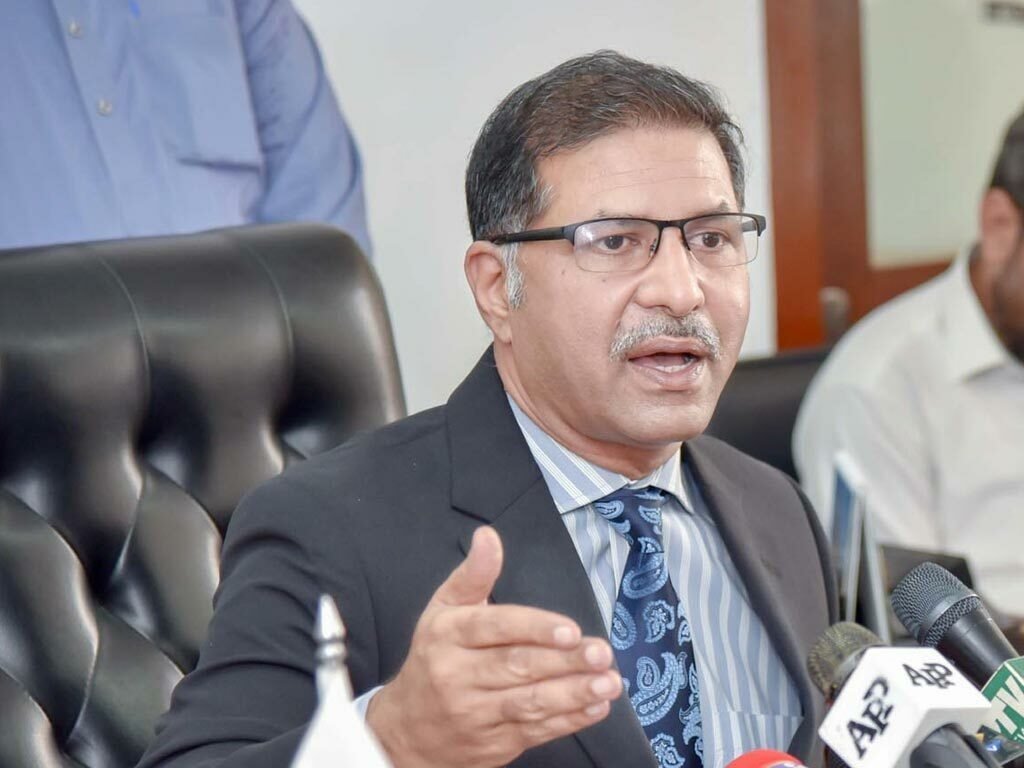
The attack, which took place in Pahalgam, resulted in the deaths of 26 tourists and quickly escalated into a major diplomatic and military crisis. During the Pahalgam attack anniversary, Pakistan’s Federal Minister for Information, Attaullah Tarar, addressed the nation in a televised statement, highlighting what he described as inconsistencies and unanswered questions surrounding the incident.
According to Pakistani officials, India accused Islamabad of orchestrating the attack without presenting concrete evidence. These allegations were strongly denied by Pakistan, which instead proposed a neutral and independent inquiry. The Pahalgam attack anniversary has revived these demands, with Islamabad emphasizing that transparency is essential for regional stability.
The aftermath of the incident led to a sharp escalation between the two nuclear-armed neighbors. India launched strikes inside Pakistan, which Islamabad described as unprovoked. In response, Pakistan claimed to have taken defensive measures, resulting in significant military exchanges. The situation intensified rapidly before a ceasefire agreement was reached on May 10, reportedly with the involvement of the United States.
Reflecting on these developments, Tarar stated that the Pahalgam attack anniversary highlights what he called a pattern of blame without evidence. He argued that India has consistently avoided calls for an impartial investigation, raising concerns about the credibility of its claims. Pakistan, on the other hand, maintains that its stance has remained consistent from the beginning—calling for facts, not accusations.
Another point raised during the Pahalgam attack anniversary was the speed with which an FIR was reportedly registered after the incident. Pakistani officials described this as unusual, suggesting it raised questions about the sequence of events. They also pointed to discussions in international media and among analysts, where concerns have been expressed about the handling of the situation.
The broader issue of Indian Illegally Occupied Jammu and Kashmir (IIOJK) was also highlighted. Pakistan continues to view the region as an internationally recognized dispute, while accusing India of portraying it as a domestic matter. This difference in perspective remains a central factor in ongoing tensions, and the Pahalgam attack anniversary has once again drawn attention to it.
Tarar also criticized what he described as the role of certain media outlets in escalating tensions. He stated that exaggerated reporting and unverified claims contributed to a war-like atmosphere following the attack. According to him, such narratives make it more difficult to achieve peace and mutual understanding in the region.
In addition to addressing the past, the Pahalgam attack anniversary also served as a platform for Pakistan to reaffirm its commitment to counterterrorism. Officials stated that the country has taken significant steps to combat militancy and has shared evidence with the international community regarding alleged external involvement in destabilizing activities.
At the same time, Pakistan emphasized its desire for peace while maintaining readiness to defend its sovereignty. The leadership reiterated that any future escalation would be met with a firm response, but also stressed the importance of dialogue and cooperation to avoid conflict.
The Pahalgam attack anniversary is not just a reminder of a tragic event but also a reflection of the fragile relationship between Pakistan and India. It underscores the need for credible investigations, responsible communication, and diplomatic engagement to prevent similar crises in the future.
The path forward lies in transparency and mutual trust. Without these elements, incidents like the Pahalgam attack risk becoming recurring flashpoints. As both nations reflect on the events of the past year, the hope remains that lessons will be learned and that efforts toward lasting peace will gain momentum.
The Pahalgam attack anniversary has reignited debate, raised important questions, and highlighted the urgent need for accountability. Whether through independent investigations or renewed diplomatic efforts, addressing these concerns is crucial for ensuring stability in the region and preventing further escalation between two powerful neighbors.