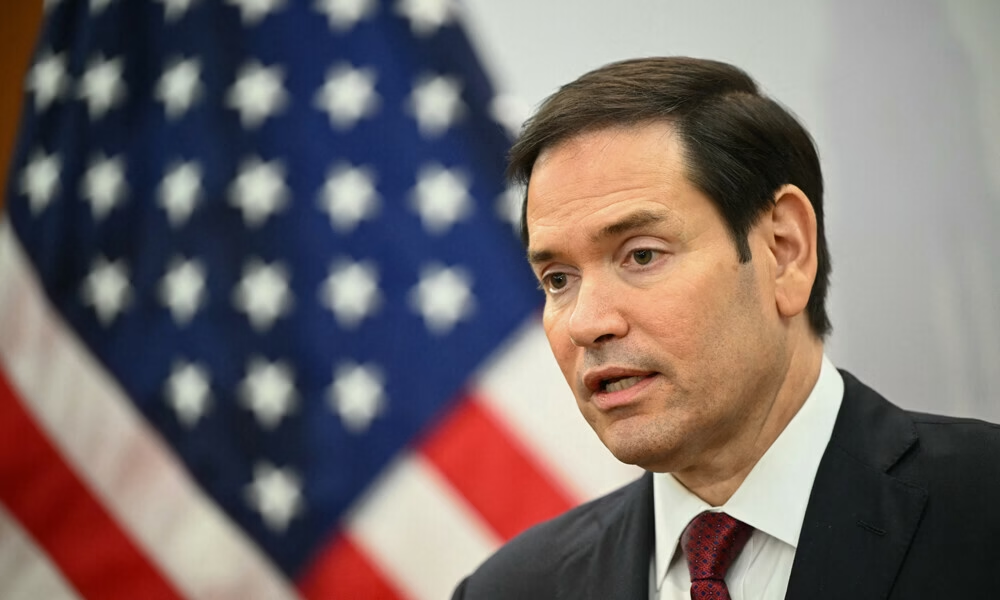
US sanctions on Iran and the ongoing naval blockade are producing strong results, according to Secretary of State Marco Rubio, who suggested that President Donald Trump may not need to launch another major military operation against Tehran.
Speaking to reporters in Paris after a two-day meeting with G7 allies, Rubio defended Washington’s current approach towards Iran. He rejected suggestions that the decision not to resume military action represented a stalemate or an acceptance of the existing situation.
Instead, the US secretary of state argued that economic restrictions and maritime pressure were achieving their intended objectives without requiring a large-scale military campaign.
His comments indicate that the Trump administration is continuing to present economic pressure as a key instrument in its efforts to deal with Iran, although questions remain about the long-term direction of American policy.
Rubio Defends Economic Pressure Against Iran
During his remarks in Paris, Rubio said the United States had briefed its G7 partners on the effectiveness of economic restrictions and the naval blockade.
According to him, the measures were delivering meaningful results and putting pressure on Tehran without requiring an immediate return to large-scale military operations.
Rubio also rejected the idea that Washington’s decision to avoid renewed military action meant it had accepted a deadlock in relations with Iran.
The administration’s position, as presented by the secretary of state, is that economic and maritime pressure can achieve important objectives while limiting the need for a major military campaign.
The latest comments on US sanctions on Iran also suggest that Washington wants to maintain pressure on Tehran while assessing whether its current strategy can produce further results.
However, Rubio did not provide specific figures or detailed evidence during his remarks to quantify the impact of the sanctions and blockade.
Differences Reported Within Trump’s Administration
Despite Rubio’s public defence of the current approach, reports suggest that senior officials in the Trump administration may have different views about how to handle Iran.
According to a report citing sources, Vice President JD Vance supports reaching an agreement with Tehran. Some senior advisers to Trump are also reportedly in favour of continuing economic pressure instead of restarting military strikes.
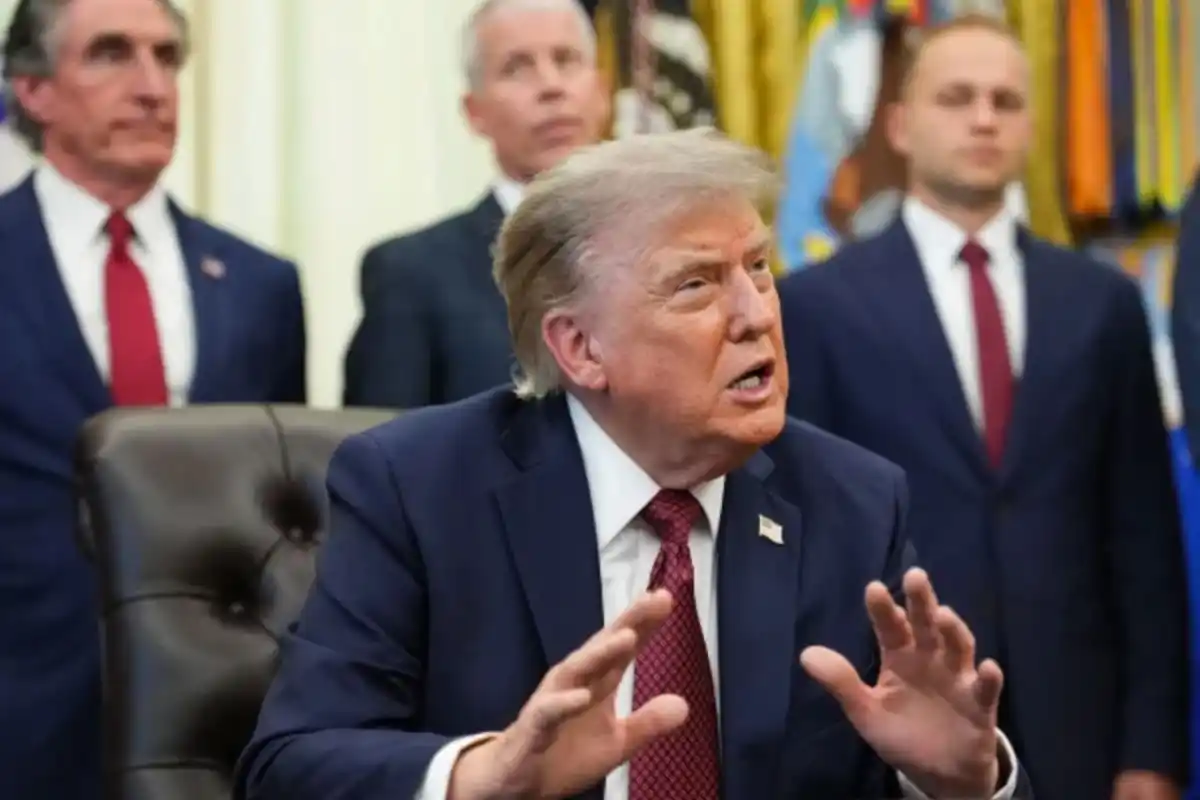
However, the same report suggested that Trump had concluded a workable agreement with Iran was no longer possible.
These reported differences point to an internal debate over whether Washington should continue relying on economic restrictions and diplomatic efforts or eventually consider further military action.
The White House has neither confirmed nor denied the reported disagreements among senior officials.
As a result, it remains unclear whether the administration has reached a unified position on the next phase of its Iran policy.
Iran Conflict Becomes a Political Issue in the US
The conflict with Iran has also become an increasingly important political issue in the United States, particularly following the recent midterm elections.
Trump previously identified the war against Iran as one of the factors behind the Republican Party’s electoral defeat.
Vice President JD Vance also openly linked the party’s setback to the conflict, adding to the political debate surrounding Washington’s approach towards Tehran.
The issue could carry wider implications for the administration as it considers its next steps. Military operations, economic pressure and the possibility of negotiations all involve political considerations, particularly when voters are concerned about the costs and consequences of overseas conflicts.
Vance is also viewed as a possible successor to Trump after the end of his two-year term, making his reported position on Iran particularly relevant to discussions about the future direction of Republican foreign policy.
Nevertheless, the reported differences should not be treated as an officially confirmed policy dispute, as the White House has not publicly clarified the matter.
Decades of American Sanctions Against Iran
Economic sanctions have been a central part of Washington’s policy towards Iran for decades.
The restrictions have targeted several parts of the Iranian economy, including oil revenues, financial institutions, military-related activities and access to international markets.
One of the main objectives has been to limit the financial resources available to Tehran by restricting its ability to generate revenue through oil exports and international economic transactions.
The latest emphasis on US sanctions on Iran reflects Washington’s continued reliance on these measures as an alternative or supplement to military action.
The naval blockade adds another dimension to the pressure being applied against Tehran. Together, economic restrictions and maritime measures are being presented by the administration as tools that can influence Iran without immediately launching another major military campaign.
However, the effectiveness of this strategy will depend on its ability to achieve Washington’s objectives and whether it creates conditions for a possible agreement.
Will Washington Continue Avoiding Military Action?
Rubio’s remarks suggest that the Trump administration currently sees economic pressure as an important way to deal with Iran without immediately returning to large-scale military operations.
His comments also indicate that Washington wants its allies to recognise the role of sanctions and the naval blockade in its broader strategy.
Still, the reported differences among senior officials leave questions about the administration’s longer-term intentions. While some figures reportedly favour an agreement, Trump is said to believe that a workable deal with Tehran may no longer be possible.
The United States continues to emphasise economic restrictions and maritime pressure as major tools against Iran. Whether these measures eventually lead to negotiations or another escalation will depend on developments between the two countries.
The latest remarks from Rubio underline Washington’s effort to demonstrate that it can maintain pressure on Tehran without necessarily launching a new major military operation.