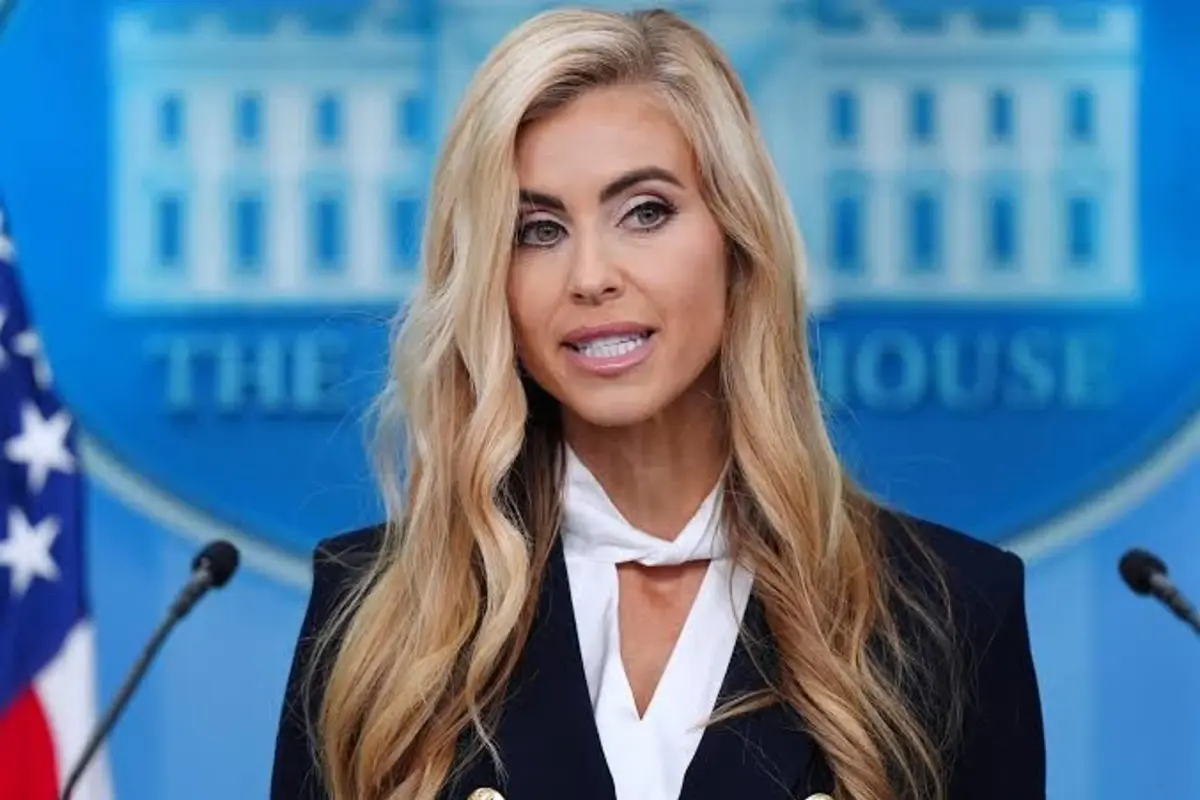
The reported Katie Zacharia departure has drawn attention in Washington after US President Donald Trump indicated that she may leave her position as White House press secretary just five days after facing criticism over her first public briefing. Trump’s remarks during an impromptu news conference on Friday raised questions about Zacharia’s future in the high-profile communications role.
According to the account, Trump said he had advised Zacharia to reconsider the position if she did not want to continue. He also defended her against criticism from news organisations, arguing that the media had treated her unfairly and that she did not need to endure such treatment.
The situation has placed renewed focus on the challenges of serving as the public face of a presidential administration. The White House press secretary must communicate the president’s positions, respond to questions from journalists and manage public scrutiny during both routine announcements and politically sensitive events.
Zacharia’s reported departure so soon after her first briefing has prompted questions about the circumstances surrounding her short tenure and the pressures associated with the position.
First Press Briefing Draws Criticism
Zacharia’s first public press briefing took place on Tuesday and quickly became a subject of discussion among journalists and political observers. The briefing reportedly lasted less than 15 minutes, with reporters asking only three questions.
The limited exchange attracted criticism because White House briefings are an important opportunity for journalists to question administration officials about government decisions, policy announcements and current developments.
The press secretary’s role requires more than delivering prepared statements. Reporters routinely seek clarification, challenge official explanations and ask follow-up questions on matters affecting the public.
In the days following Zacharia’s debut, news outlets continued to question her qualifications, professional experience and preparedness for the demanding position.
The criticism increased attention on her ability to manage the daily responsibilities of the White House press room. However, a short first briefing alone does not establish whether an official can perform the role effectively over a longer period.
The Katie Zacharia departure story has instead highlighted how quickly a new press secretary can face intense scrutiny when entering one of Washington’s most visible communications positions.
Trump Defends Zacharia Against Media Criticism
During his Friday remarks, Trump suggested that Zacharia should not feel obliged to remain in the role if she was uncomfortable with the treatment she received from journalists.
His comments also presented a defence of the press secretary, portraying the criticism as unfair rather than focusing solely on her performance during the briefing.
The exchange illustrates the complicated relationship between the White House and the media. Press secretaries must represent the administration’s position while also answering questions from reporters who are expected to examine government actions independently.
Presidents may defend their communications staff when they face public criticism, but press secretaries remain responsible for managing interactions with the press corps and explaining official policy.
In Zacharia’s case, Trump’s remarks added another dimension to the discussion about her future. Rather than simply addressing criticism of her debut, the president publicly raised the possibility that she could reconsider her appointment.
The circumstances have drawn attention to the pressures faced by officials whose performance is judged in real time by journalists, political commentators and the public.
Zacharia Praises Trump in Social Media Post
Hours after Trump’s comments, Zacharia posted a message on X praising the president. She described him as “kind, wonderful, gracious, thoughtful, enthusiastic, and the most hardworking man.”
She also said that serving in his administration had been an honour.
Her statement came as attention surrounding the Katie Zacharia departure intensified. The timing prompted further interest in her position within the administration and whether she intended to continue in the role.
However, the praise itself does not conclusively establish the circumstances of her departure or explain the reasons behind the reported decision. Her public remarks primarily expressed appreciation for the president and her experience serving in his administration.
The episode demonstrates how social media statements can become part of the wider public discussion surrounding political appointments, particularly when an official’s future is uncertain.
Challenges of Being a White House Press Secretary
The White House press secretary occupies a central position between the president, the administration and the news media. The job involves communicating policy decisions, responding to difficult questions and maintaining a consistent public message.
The position can be particularly demanding because press secretaries must address breaking news while dealing with political disagreements and sustained media attention.
A new officeholder may face questions about experience and credibility from the beginning. At the same time, journalists expect meaningful answers and opportunities to examine the administration’s claims.
The controversy surrounding Zacharia’s first briefing illustrates these competing pressures. A press secretary must establish authority in the briefing room while navigating expectations from both the administration and the press corps.
The reported Katie Zacharia departure has raised questions about her future after a brief and heavily scrutinised start as White House press secretary. Trump’s public comments, criticism of her first briefing and her subsequent message praising the president have all contributed to the attention surrounding the situation.
The episode highlights the demands of one of the most visible communications roles in American politics. Whether Zacharia’s tenure ends as reported, the controversy underscores the importance of effective communication, preparedness and the difficult relationship between the White House and journalists.