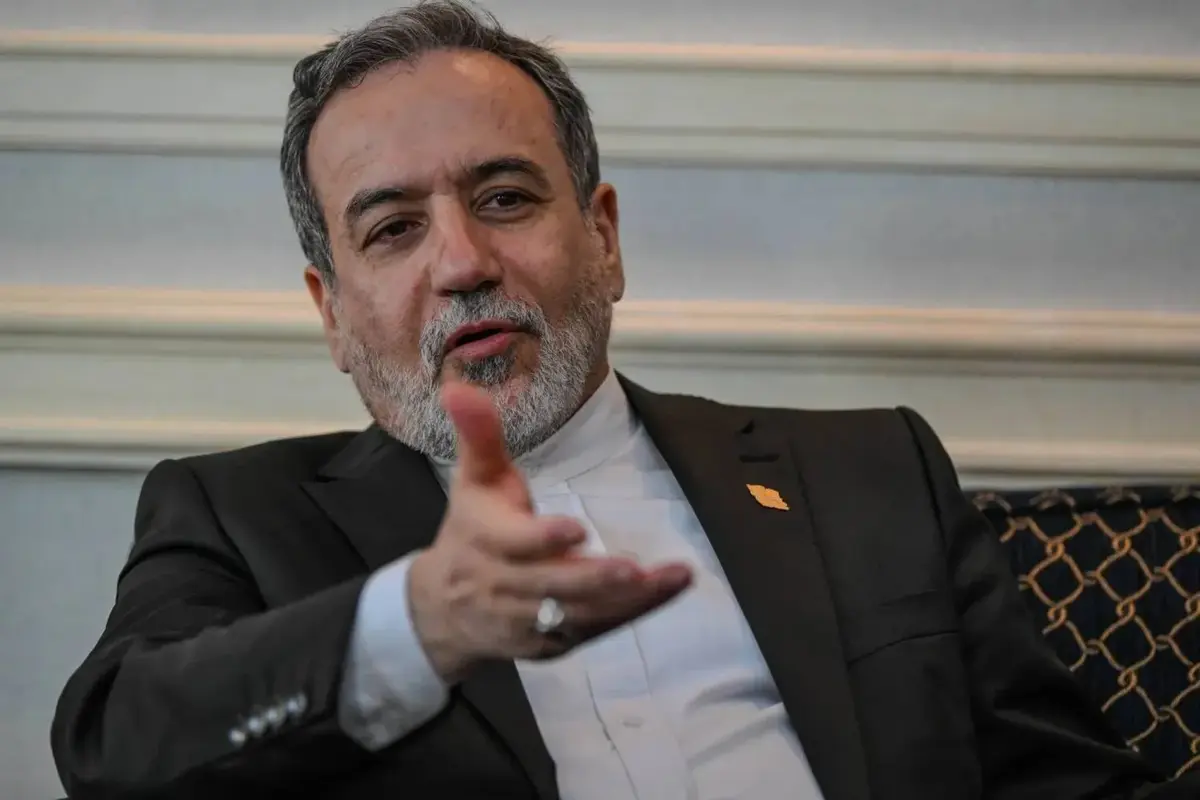
Iranian Foreign Minister Abbas Araghchi has renewed his call for a shift away from military intervention and coercion, saying lasting security requires diplomacy, respect for national sovereignty and sustainable development. His Araghchi peace call came during the 2026 Global Town Hall hosted by the Foreign Policy Community of Indonesia, where he argued that decades of conflict and foreign intervention in West Asia had failed to establish lasting regional security.
Speaking at the conference titled “Calling for a Global U-Turn,” Araghchi said military intervention cannot create genuine security and coercion cannot produce lasting peace. He called for greater attention to development, human dignity and international cooperation as alternatives to continued reliance on force.
Araghchi Calls for Global Shift
The Araghchi peace call focused on what the Iranian foreign minister described as the consequences of prolonged militarism in the Middle East. According to Araghchi, repeated military pressure and foreign intervention have contributed to instability rather than creating a sustainable security environment.
He argued that military force is increasingly being treated as a continuing instrument for reshaping political and security conditions rather than as an exceptional measure. In his view, this could contribute to the normalization of aggression and make escalation more difficult to contain.
The theme of the Global Town Hall itself centered on a proposed “global U-turn,” with organizers calling for development, justice and humanity to play a greater role in international affairs. The event brought together international policymakers and other participants to discuss global conflicts and challenges.
Criticism of Military Action Against Iran
During his remarks, Araghchi also addressed military action involving Iran. He characterized US and Israeli attacks against Iran as illegal and aggressive and argued that they represented violations of Iranian sovereignty.
These statements reflect the Iranian government’s position on the conflict. The United States and Israel have presented their own explanations for military operations, while international investigations have examined allegations concerning civilian harm and possible violations of international law.
Recent findings by a UN-backed fact-finding mission reported reasonable grounds to believe that US strikes in Iran included possible war crimes, while also documenting allegations of serious violations by Iranian authorities. The US government has rejected the findings and questioned the impartiality of the UN Human Rights Council.
Concerns Over Minab School Attack
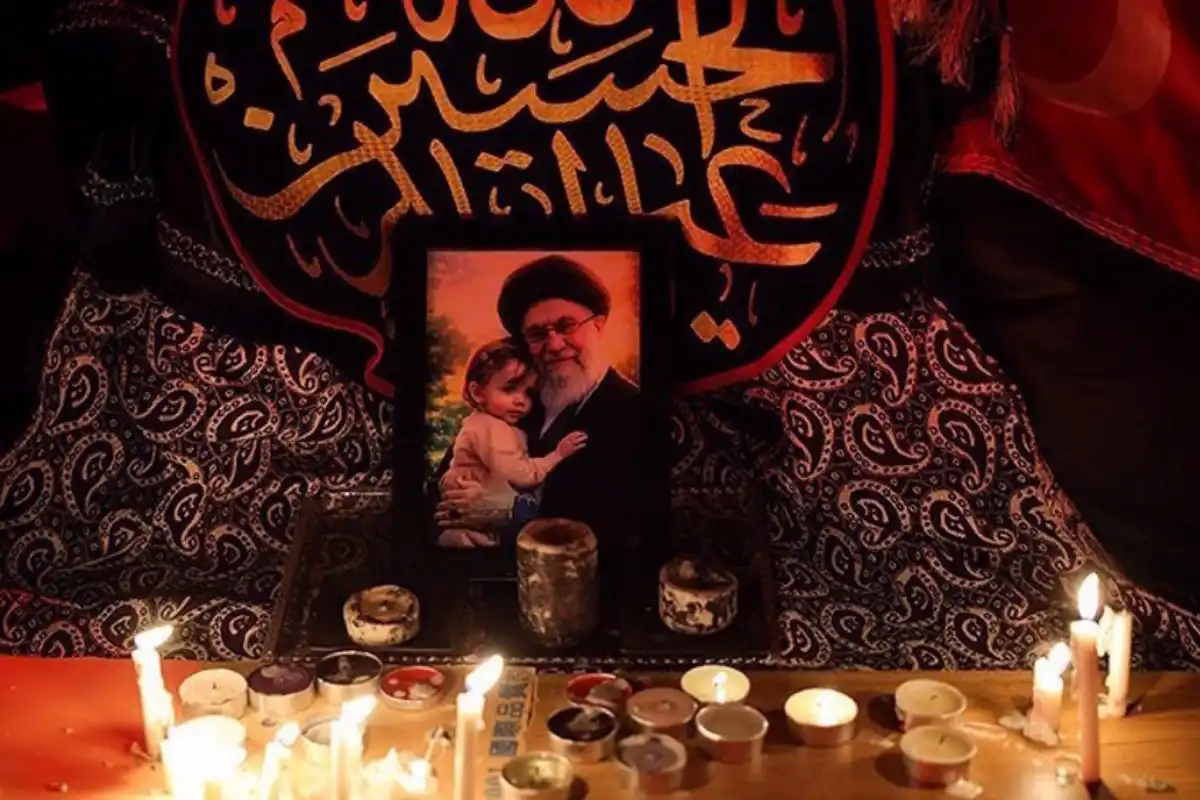
Araghchi referred to the February 2026 attack on a school in Minab, southern Iran, while discussing the human cost of military conflict. He said victims should not be viewed simply as numbers because every person represents a family and a future.
The Minab school strike has become one of the most significant civilian casualty incidents associated with the 2026 conflict. Reports have differed over the exact death toll, while investigations have continued into the circumstances surrounding the attack. A recent UN-backed investigation said the strike killed at least 178 civilians across two incidents in Iran, including many children.
Earlier reporting also documented the destruction of the school and large numbers of child casualties, while the United States said it does not target civilians and that reports of the incident were being investigated.
Call for Fair International Law
Another major part of the Araghchi peace call was his argument that international law should be applied consistently. He questioned whether human rights can genuinely be considered universal if their protection changes according to political or national interests.
Araghchi called for effective multilateralism rather than abandoning international institutions. He argued that global cooperation should focus on protecting human dignity, restoring justice and creating conditions for sustainable peace.
His position also emphasized the importance of national sovereignty. According to Araghchi, regional security arrangements should give greater consideration to the countries directly affected by conflicts rather than relying primarily on outside military involvement.
Development as a Path to Stability
The Araghchi peace call placed sustainable development alongside diplomacy and sovereignty as an important element of long-term stability. His argument was that international attention should not remain focused exclusively on military capabilities and security competition.
The Global Town Hall’s organizers similarly highlighted concerns about armed conflicts, weakening respect for international humanitarian law, geopolitical fragmentation and stalled progress toward development goals.
For Araghchi, shifting resources and international attention toward development could help address some of the conditions that contribute to instability. He presented this approach as part of a broader need to restore humanity and justice to international affairs.
A Broader Diplomatic Message
The Araghchi peace call ultimately centered on the idea that security cannot be separated from diplomacy, sovereignty, development and international law. While his remarks represent Iran’s diplomatic position, they came at a conference specifically focused on examining alternatives to continued conflict and military competition.
Araghchi’s message adds to the wider international debate over how regional conflicts should be addressed and what role military force, diplomacy and multilateral institutions should play.
As conflicts continue to shape international relations, his speech highlighted Tehran’s argument for reducing reliance on military intervention and strengthening diplomatic and development-focused approaches. The discussion at Global Town Hall also reflects broader concerns about the future of international cooperation and the need for mechanisms capable of protecting civilians and supporting lasting peace.