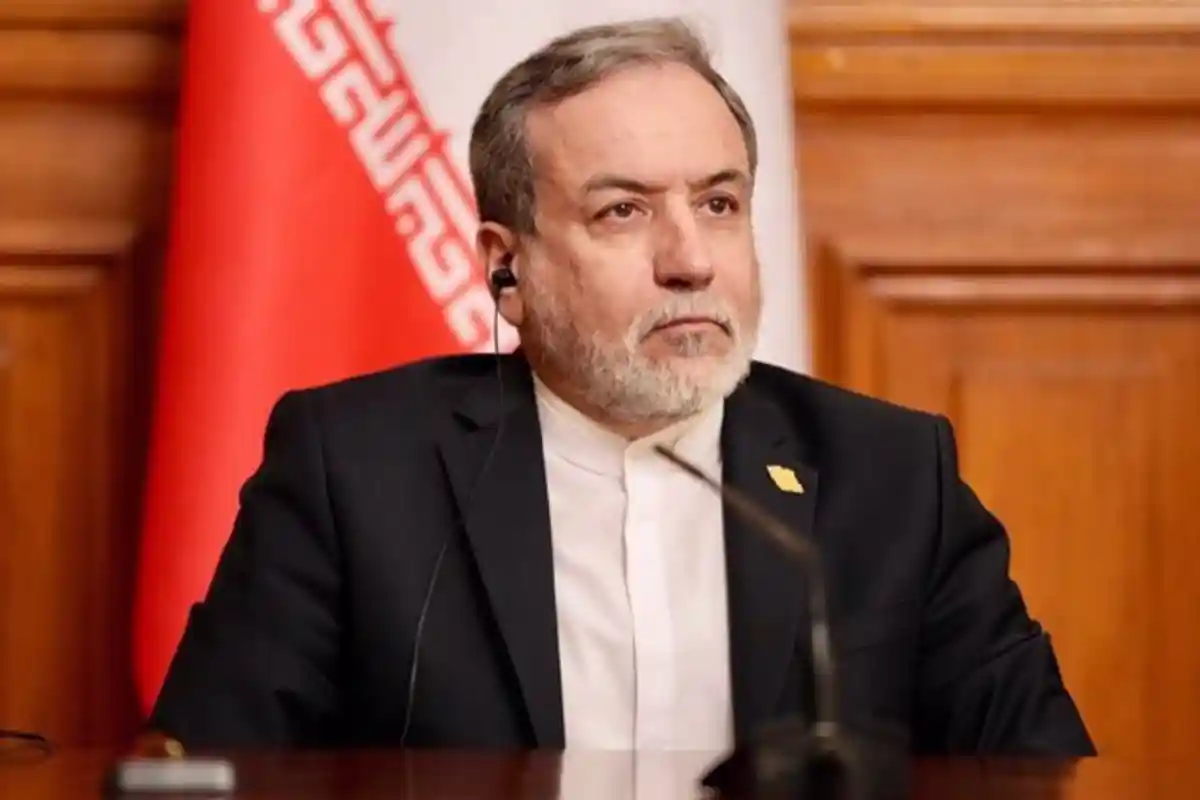
Iranian Foreign Minister Abbas Araghchi has said diplomacy with the United States could resume if Washington recognizes that economic and military pressure cannot force Tehran to change its position. His remarks came as regional mediators stepped up efforts to restore shipping through the Strait of Hormuz, a strategically important waterway that has become a major source of tension between Iran, the United States and regional countries.
Araghchi said he held creative discussions with Qatar’s Prime Minister and Foreign Minister Sheikh Mohammed bin Abdulrahman Al-Thani during the Qatari official’s visit to Tehran. According to the Iranian foreign minister, Washington needs to build trust, communicate respectfully, recognize Iran’s rights and honor its commitments if it wants diplomacy to move forward.
Qatar Pushes for Dialogue
Qatar has taken an increasingly important role in efforts to reduce tensions between Iran and the United States. During his visit to Tehran, Al-Thani met senior Iranian officials and discussed the possibility of restoring negotiations.
Qatar and Pakistan previously helped facilitate a memorandum of understanding in June that contributed to a ceasefire and included arrangements concerning maritime traffic. However, disagreements later prevented the agreement from producing a lasting solution.
Al-Thani stressed the importance of maintaining freedom of navigation in the Strait of Hormuz in accordance with international law. The statement reflects concerns among regional governments and international shipping companies over the disruption of one of the world’s most important maritime routes.
Iran Preparing Conditions for Reopening
Iranian officials have indicated that reopening the Strait of Hormuz will depend on specific conditions being met.
Mohsen Rezaei, secretary of Iran’s Supreme National Security Council, said Tehran was preparing a list of conditions for reopening the waterway. He also said Iran had reached an understanding with Oman regarding a possible shipping corridor.
Under the proposed arrangement, part of the route would pass through Omani territorial waters while another section would pass through Iranian waters. Rezaei suggested that commercial vessels could use a designated central channel if Washington met Iran’s requirements.
Iran has previously demanded an end to the US blockade of its ports, compensation for damage and the removal of sanctions. It remains unclear whether Tehran will maintain all of these demands or modify them as part of future negotiations.
Oman’s Role in Shipping Arrangements
Oman has also emerged as an important player in efforts to restore maritime traffic. Iranian officials have said that Tehran and Muscat are working on an arrangement for managing vessels passing through the waterway.
Iran’s Revolutionary Guards previously said the two countries had reached an understanding in principle regarding traffic management and revenue sharing. However, another senior Iranian source indicated that important details were still being negotiated.
The differences in these statements suggest that a final agreement has not yet been completed.
For shipping companies, clarity is particularly important. Commercial operators need predictable routes, security guarantees and insurance arrangements before they can return to normal operations through the Strait of Hormuz.
US Says Shipping Lanes Are Open
The United States has maintained that international shipping routes through the area remain accessible.
Admiral Brad Cooper, commander of US Central Command, said American forces had cleared sea mines that Washington alleges were placed months earlier by Iran’s Islamic Revolutionary Guard Corps.
Cooper said US forces had assisted around 1,500 commercial vessels carrying nearly 750 million barrels of crude oil through the waterway in recent months. He argued that international shipping lanes were open and that maritime traffic was gaining momentum.
However, the situation on the ground remains more complicated.
Although US officials say the Strait of Hormuz is open, many shipping companies have continued avoiding the route because of security concerns and Iranian threats.
Shipping Traffic Remains Below Normal
Shipping tracking services have estimated that traffic through the waterway remains at only a fraction of its normal level, with some estimates placing activity between 5% and 15% of typical volumes.
The International Maritime Organization has also reported dozens of incidents in the Strait of Hormuz since the beginning of the conflict. According to the information provided by the organization, 70 incidents have resulted in the deaths of 19 seafarers.
These figures underline why commercial operators remain cautious even when military authorities describe the shipping lanes as technically open.
For international energy markets, the continued disruption is significant because the waterway is a major route for oil shipments from the Persian Gulf.
Diplomacy Could Determine the Next Step
Iran’s latest statements suggest that Tehran is not closing the door on negotiations with Washington. However, Iranian officials are making clear that they expect changes in the US approach before diplomacy can resume.
Araghchi’s message was centered on trust, respect and recognition of Iran’s rights. From Tehran’s perspective, negotiations cannot succeed if they take place under continued pressure.
The Strait of Hormuz has therefore become closely connected to the wider diplomatic dispute. A sustainable reopening would likely require agreement between Iran, the United States and regional countries over security, sanctions and maritime access.
For now, Qatar and Oman are continuing their mediation efforts, while Pakistan also remains part of the broader regional diplomatic process.
A Critical Test for Regional Diplomacy
The future of the Strait of Hormuz could have consequences far beyond Iran and its neighbors. The waterway is vital to international energy supplies, and prolonged disruption could affect oil prices, shipping costs and global markets.
Iran’s willingness to discuss conditions for reopening provides a possible avenue for negotiations, but significant disagreements remain.
The coming weeks could determine whether regional mediation succeeds in reviving the earlier diplomatic framework or whether tensions continue to keep commercial shipping well below normal levels.
Restoring confidence will require more than declarations that the waterway is open. Shipping companies will need reliable security guarantees, while Iran and the United States will need to resolve their wider disagreements through sustained diplomacy.