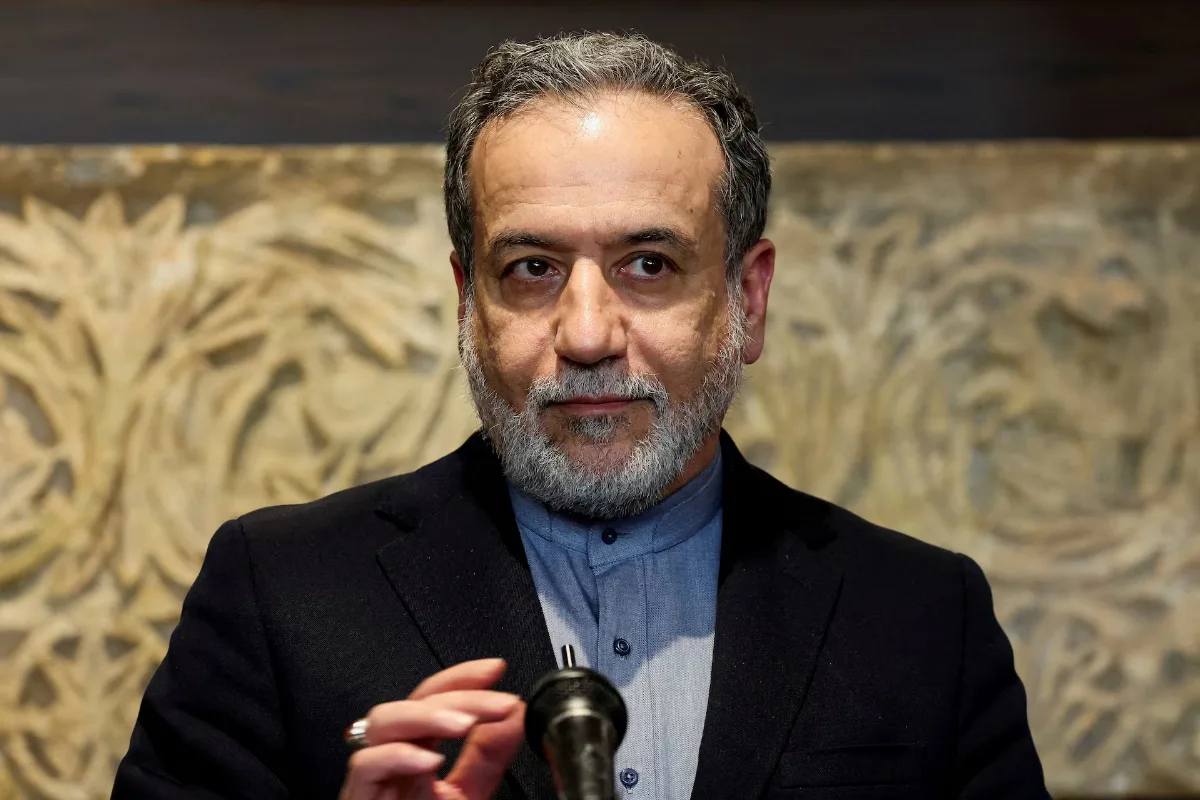
Iran has strongly criticized the latest US sanctions on Iran, describing them as economic and state terrorism and urging the international community to reject the measures. Iranian Foreign Minister Abbas Araghchi raised the issue in a letter addressed to the UN secretary-general, the Security Council and all United Nations member states.
Iran Takes Sanctions Dispute to the UN
According to Iranian media reports, Araghchi argued that Washington had failed to achieve its objectives through military pressure or by involving other countries in its campaign against Tehran. He said the United States was now attempting to restrict Iran’s legitimate economic relations with other nations through a new round of financial pressure.
The Iranian foreign minister called on the United Nations and its members to oppose what Tehran describes as unilateral coercive measures.
The diplomatic move places the US sanctions on Iran at the centre of a wider international debate over economic restrictions, national sovereignty and the humanitarian consequences of sanctions.
Tehran Says Civilians Are Being Affected
A major part of Iran’s argument concerns the potential impact of sanctions on ordinary civilians. Araghchi said the measures could restrict access to essential goods and services, including food, medicines, medical equipment and energy.
He argued that restrictions affecting these areas could undermine fundamental rights, including the rights to life, health, food and an adequate standard of living.
Iran has therefore presented the latest sanctions not simply as an economic dispute between two governments, but as an issue with broader humanitarian implications.
The government in Tehran wants international organisations and other countries to consider how financial restrictions may affect people who have no direct role in political or military disagreements.
Iran Calls for International Rejection
Araghchi urged UN member states not to recognise or implement the new American measures. He also called on the Security Council to condemn the sanctions and reject secondary sanctions targeting countries that maintain economic relations with Iran.
Secondary sanctions are particularly significant because they can put pressure on businesses and governments outside the country imposing the restrictions. Companies may face difficult choices if continuing trade with Iran could expose them to restrictions on access to international financial markets.
Iran argues that such pressure interferes with the economic decisions of independent states.
The dispute over US sanctions on Iran therefore extends beyond bilateral relations between Washington and Tehran and involves questions about how far one country’s financial power should influence the economic relationships of other nations.
Washington and Tehran Remain Deeply Divided
The latest confrontation comes after years of disagreement between Iran and the United States over nuclear issues, regional security and economic policy.
Washington has repeatedly used sanctions as a tool to pressure Tehran into changing its policies. Iranian officials, however, argue that decades of sanctions have failed to force the country to surrender its strategic interests.
Araghchi’s latest letter reflects that position. He said the United States had been unable to achieve its objectives through war and was now attempting to use economic pressure to isolate Iran.
Tehran maintains that it will continue developing economic relationships with countries willing to trade with it despite American restrictions.
Economic Relations Remain a Key Issue
For Iran, maintaining international trade is essential to limiting the impact of sanctions. The country has sought to strengthen commercial relationships with partners in Asia and other regions while developing alternative financial and trading mechanisms.
The latest US sanctions on Iran could make these relationships more complicated if foreign companies fear secondary penalties.
At the same time, countries that have established long-term economic ties with Iran may be reluctant to completely abandon those relationships.
This creates a complicated international environment in which governments must balance their relations with Washington against their own economic and strategic interests.
Iran Seeks Diplomatic Pressure
By sending the letter to the United Nations and all member states, Tehran is attempting to shift the discussion from bilateral confrontation toward international diplomacy.
Iran wants other countries to publicly reject the sanctions and avoid implementing American restrictions against Iranian economic activity.
The appeal also gives Tehran an opportunity to present its position to governments that may be concerned about the humanitarian consequences of sanctions.
Whether the UN or individual member states will adopt Iran’s position remains uncertain. The United States has historically defended sanctions as a legitimate tool for protecting national security and influencing government behaviour.
The dispute over US sanctions on Iran is likely to remain an important part of international diplomacy. Tehran says it will continue challenging measures that it considers unlawful and aimed at restricting its legitimate economic relationships.
For Washington, sanctions remain a major instrument of pressure. For Iran, resisting those measures has become a central part of its foreign and economic policy.
The latest letter from Araghchi shows that Tehran is seeking international support while warning about the humanitarian and economic consequences of continued restrictions. With both sides maintaining sharply different positions, diplomacy may ultimately be necessary to prevent further escalation.
For now, Iran’s appeal to the United Nations represents another effort to challenge the US sanctions on Iran on the international stage and encourage other countries to protect their independent economic relations.