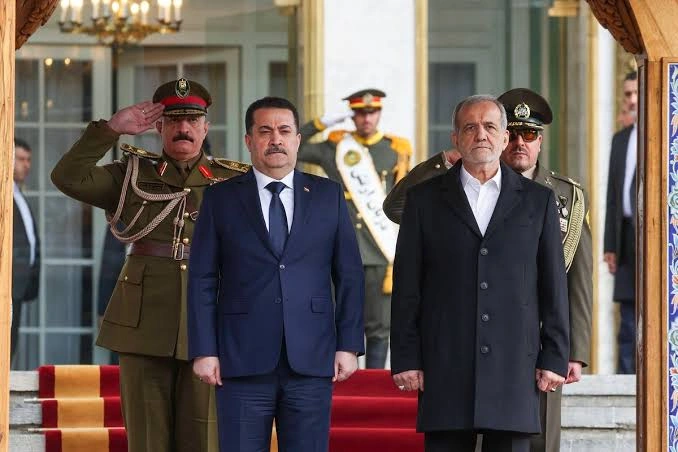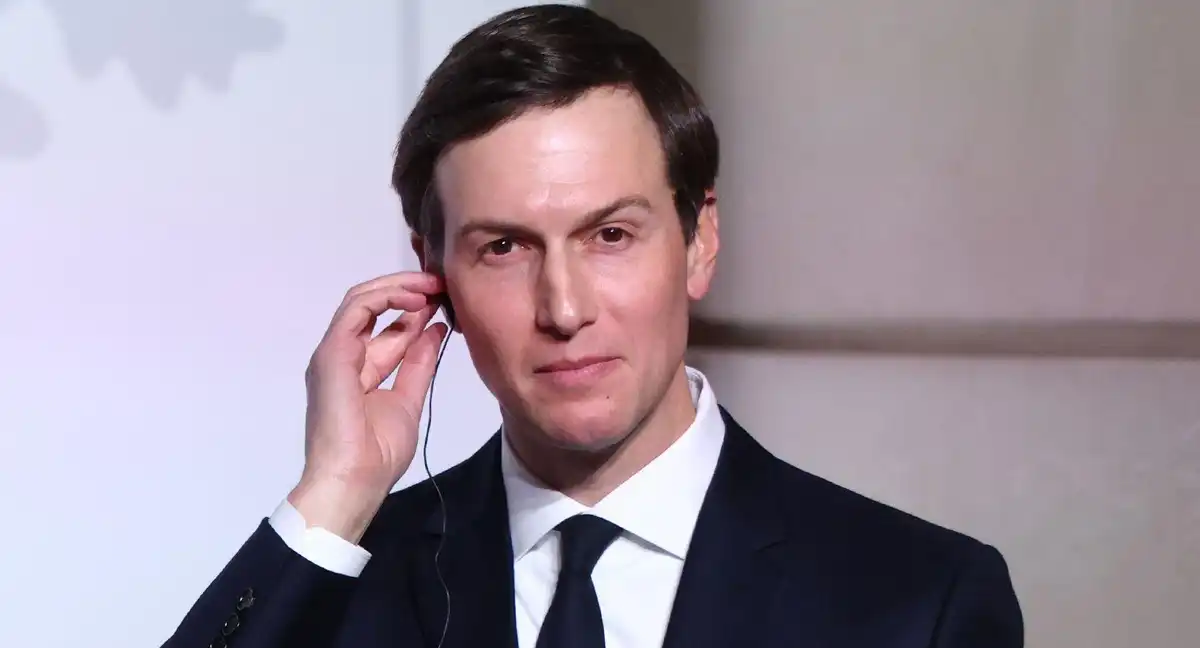
US-Iran talks have become more active and coordinated, according to US President Donald Trump’s special envoy Jared Kushner, offering a possible opening for reducing tensions between Washington and Tehran. Kushner said diplomatic communication between the two countries is stronger than it has been during previous periods, although no final agreement has yet been reached.
Diplomatic Channels Remain Open
Speaking to Fox News during a recent visit to the Middle East, Kushner said communication between the United States and Iran had increased significantly.
He indicated that representatives from both sides remain engaged through diplomatic channels and that discussions are continuing despite the lack of a comprehensive agreement.
The comments are notable because relations between Washington and Tehran have frequently been marked by confrontation, sanctions and disagreements over regional security. Continued communication could therefore provide an opportunity to address some of the issues that have contributed to tensions between the two countries.
Kushner emphasized that the two sides have not yet reached a final understanding. However, he described the current discussions as positive and productive.
No Final Agreement Yet
While the latest developments surrounding US-Iran talks have generated optimism, Kushner’s comments also suggest that significant challenges remain.
The two countries still have to resolve disagreements before any major diplomatic breakthrough can be confirmed. Increased communication does not necessarily mean that Washington and Tehran have reached agreement on the issues separating them.
Kushner acknowledged that there is still no final deal between the two sides.
This distinction is important because diplomatic discussions can continue for weeks or months without producing a formal agreement. The success of the current contacts will ultimately depend on whether the two countries can translate communication into practical commitments.
For now, however, the fact that discussions remain active could itself be considered a positive development.
A Potential Path Toward Lower Tensions
The continuation of US-Iran talks could have broader consequences for the Middle East.
Relations between Washington and Tehran influence several major regional issues, including security, energy markets and conflicts involving groups and countries aligned with either side.
A sustained diplomatic channel could help prevent misunderstandings and reduce the possibility of further escalation.
Kushner said he hoped the ongoing contacts would contribute to greater peace and stability in the region.
Such an outcome would be significant at a time when regional tensions remain high. Even limited communication can provide governments with a way to exchange messages and explore possible compromises when public disagreements make direct cooperation difficult.
Why Communication Matters
Diplomatic communication is often an essential first step before more formal negotiations can take place.
The latest US-Iran talks indicate that both sides continue to see value in maintaining contact. Even when Washington and Tehran disagree on major issues, keeping communication channels open can help establish whether areas of common ground exist.
It can also provide opportunities to discuss humanitarian concerns, regional security and other issues that may not require immediate resolution of every broader disagreement.
Kushner’s description of the talks as coordinated and active suggests that communication is not merely symbolic. Representatives are reportedly engaging in discussions aimed at finding practical ways forward.
Regional Implications
Any improvement in US-Iran relations could attract considerable attention from countries across the Middle East.
Regional governments are closely watching relations between the two powers because developments involving Washington and Tehran can affect diplomatic alliances, security arrangements and economic conditions.
A reduction in tensions could also provide a more stable environment for regional diplomacy.
At the same time, expectations will likely remain cautious. Previous periods of dialogue between the United States and Iran have faced obstacles, and disagreements can quickly return when negotiations involve sensitive political or security issues.
The immediate focus will be on whether the ongoing US-Iran talks produce concrete results.
Kushner’s comments suggest that discussions are continuing and that neither side has abandoned diplomacy. However, the absence of a final agreement means it is still too early to describe the latest contacts as a major breakthrough.
Future developments could include more detailed negotiations, additional diplomatic meetings or confidence-building measures.
If representatives can maintain the current level of communication, the process could gradually create conditions for a broader understanding.
For now, the most important development is that Washington and Tehran are still talking.
A Cautious Moment of Opportunity
The latest US-Iran talks offer a potentially important diplomatic opening after years of strained relations. Kushner’s assessment that communication is stronger and more active provides a cautiously positive signal, while his acknowledgment that no final agreement exists keeps expectations realistic.
Whether these discussions lead to a lasting diplomatic arrangement will depend on the willingness of both governments to address their differences and sustain negotiations.
For the wider Middle East, continued dialogue could provide an opportunity to reduce tensions and support greater regional stability. The coming weeks may reveal whether the current diplomatic momentum can develop into something more substantial.