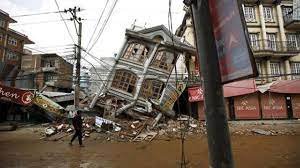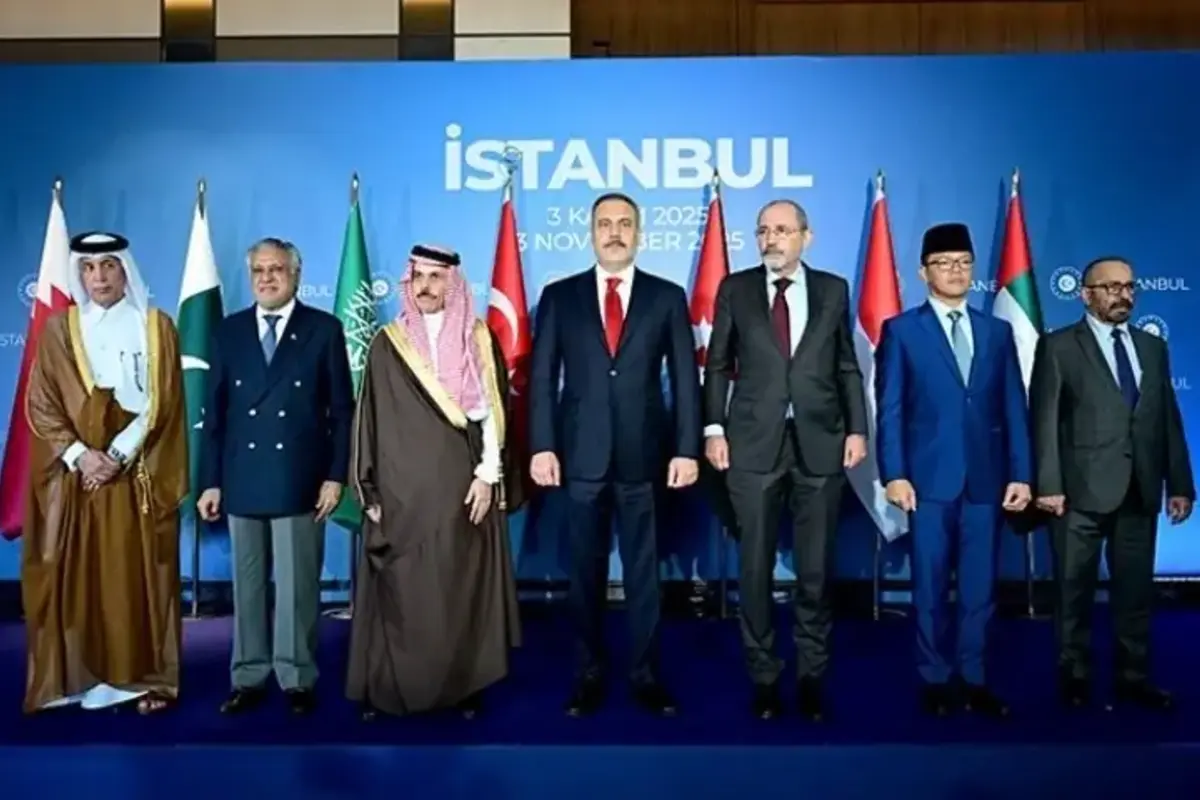
The Gaza Humanitarian Crisis continues to draw international attention as several Muslim-majority countries have jointly condemned Israel’s military actions in Gaza. Egypt, Turkiye, Saudi Arabia, the United Arab Emirates, Pakistan, and other nations issued a unified statement expressing deep concern over attacks on hospitals, healthcare facilities, and civilians. The ministers stressed that protecting innocent lives and ensuring humanitarian assistance are essential obligations under international law, while urging the global community to take meaningful action to end the ongoing suffering.
Joint Call for Protection of Civilians
The joint statement highlighted growing concerns over the worsening humanitarian conditions in Gaza. Foreign ministers from participating countries emphasized that civilians should never become targets during armed conflict. They also stressed that hospitals, medical workers, and humanitarian organizations must be protected at all times.
According to the ministers, attacks on healthcare infrastructure not only endanger patients and medical staff but also severely weaken the ability to provide life-saving treatment to thousands of people in need. They argued that preserving medical services is essential during any humanitarian emergency.
Concern Over Humanitarian Conditions
The Gaza Humanitarian Crisis has intensified as continued conflict places increasing pressure on civilians. The ministers warned that the humanitarian situation is becoming more severe due to limited access to food, clean water, medicine, and emergency medical care.
They called for immediate and unrestricted humanitarian access so that relief organizations can deliver essential supplies to affected communities. Medical equipment, food assistance, and emergency shelter remain critical needs for families living in conflict-affected areas.
The ministers emphasized that delays in humanitarian assistance could further worsen an already fragile situation.
Importance of International Law
A major focus of the joint declaration was the importance of respecting international humanitarian law.
The participating countries stated that all parties involved in armed conflict have legal responsibilities to protect civilian populations and avoid attacks on non-military infrastructure. Medical facilities and humanitarian workers enjoy special protections under international law and should never become military targets.
The statement also urged greater accountability for actions that may violate internationally accepted legal standards.
Appeal to the International Community
The ministers urged the international community, particularly the United Nations Security Council, to play a more active role in addressing the conflict.
They called on global institutions to ensure compliance with existing international agreements and relevant UN resolutions. According to the statement, stronger diplomatic engagement is necessary to reduce tensions and encourage all parties to respect humanitarian obligations.
The participating countries also stressed the importance of coordinated international efforts aimed at reducing civilian suffering.
Need for Humanitarian Assistance
One of the central themes of the Gaza Humanitarian Crisis discussion was the urgent need for uninterrupted humanitarian aid.
The foreign ministers emphasized that relief agencies must be allowed to deliver food, medical supplies, fuel, and emergency assistance without unnecessary restrictions. They noted that humanitarian workers require safe access to affected areas in order to provide timely support.
Ensuring continuous aid deliveries would help reduce the hardships faced by vulnerable communities, including children, elderly individuals, and displaced families.
Regional Stability Remains a Priority
Beyond the immediate humanitarian situation, the ministers expressed concern that continued violence could further destabilize the broader Middle East.
They noted that prolonged conflict increases regional uncertainty and creates additional challenges for peace and security. The statement encouraged diplomatic dialogue and peaceful engagement as the most effective path toward reducing tensions.
The participating countries also emphasized that long-term regional stability depends on meaningful political solutions rather than continued military escalation.
Reaffirming Support for a Two-State Solution
The joint statement reaffirmed support for a negotiated two-state solution based on internationally recognized principles.
The ministers reiterated that a sovereign and independent Palestinian state, with East Jerusalem as its capital and based on the 1967 borders, remains the foundation for achieving lasting peace.
According to the declaration, only a credible political process supported by the international community can create conditions for sustainable stability in the region.
The ministers also rejected any attempts to change the status of occupied territories through unilateral actions.
Calls for a Permanent Ceasefire
The participating countries renewed their call for a permanent ceasefire to prevent further civilian casualties and humanitarian suffering.
They argued that ending hostilities would allow humanitarian organizations to expand relief operations while creating space for diplomatic negotiations. A ceasefire, they noted, is essential for protecting civilians and rebuilding trust between all parties involved.
The statement encouraged all stakeholders to support peaceful initiatives that prioritize dialogue over continued conflict.
The Gaza Humanitarian Crisis remains one of the world’s most pressing humanitarian concerns, requiring coordinated international attention and practical solutions. The joint statement issued by Muslim-majority countries reflects growing regional concern about civilian protection, humanitarian access, and respect for international law.
While political differences remain, the ministers agreed that reducing human suffering must be the immediate priority. Humanitarian aid, medical assistance, diplomatic engagement, and accountability are all viewed as essential steps toward improving conditions on the ground.
The unified response from Egypt, Turkiye, Saudi Arabia, the United Arab Emirates, Pakistan, and other Muslim-majority nations highlights the increasing urgency surrounding the Gaza Humanitarian Crisis. Their joint appeal emphasizes the protection of civilians, unrestricted humanitarian assistance, adherence to international law, and renewed diplomatic efforts toward a lasting peace.
As the humanitarian situation continues to evolve, international cooperation and sustained diplomatic engagement will remain essential for addressing immediate needs while working toward a peaceful and durable resolution for the region.