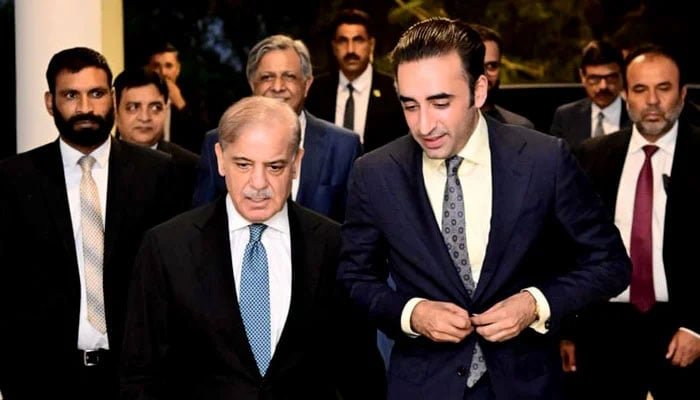
AJK Elections 2026 have entered a critical phase as senior leaders of the Pakistan Peoples Party (PPP) and Pakistan Muslim League-Nawaz (PML-N) held an important meeting in Muzaffarabad to address growing political tensions surrounding the election process. The discussions came after days of heated exchanges over allegations of electoral irregularities following the first phase of voting. With additional polling still ahead, both coalition partners have signaled their intention to prevent political disagreements from affecting the democratic process or their working relationship in the federal government.
Political Tensions After the First Phase
The first phase of AJK Elections 2026 generated significant political debate after the announcement of results in the Mirpur Division. While the PML-N secured the majority of seats, the PPP questioned the fairness of the election process and raised concerns about alleged irregularities in several constituencies.
The dispute quickly escalated through public statements from leaders of both parties, raising concerns that the disagreement could affect cooperation within the federal coalition government.
To reduce political friction, senior leaders from both parties agreed to hold direct talks in Muzaffarabad.
High-Level Meeting in Muzaffarabad
The meeting brought together prominent representatives from both political parties.
The PPP delegation included Qamar Zaman Kaira, Nadeem Afzal Chan, Azad Jammu and Kashmir Prime Minister Faisal Rathore, and Nayyar Bukhari. Representing the PML-N were Rana Sanaullah and Amir Muqam.
According to sources, the discussions focused on addressing concerns raised during the election campaign and after the release of the first-phase results.
Both sides reportedly exchanged their viewpoints openly while emphasizing the importance of maintaining political stability.
PPP Raises Concerns Over Four Constituencies
During the meeting, PPP leaders clarified that their objections were focused on four constituencies where they believed serious electoral irregularities had occurred.
The constituencies highlighted by the PPP included LA-5, LA-9, LA-11, and LA-12.
Party representatives maintained that these specific seats required further examination to ensure transparency and public confidence in the electoral process.
Rather than challenging the entire election, the PPP concentrated its concerns on these constituencies.
PML-N Requests Supporting Evidence
The PML-N leadership responded by asking the PPP to provide evidence supporting its allegations.
According to sources familiar with the discussions, PML-N leaders argued that by limiting objections to only four constituencies, the PPP had effectively accepted the results in the remaining seats contested during the first phase.
The ruling party emphasized the importance of resolving disputes through legal and constitutional channels instead of political confrontation.
This approach reflected both parties’ willingness to continue dialogue despite their differences.
Agreement to Prevent Further Escalation
One of the most significant outcomes of the meeting was a mutual understanding that political tensions should not be allowed to escalate further.
Leaders reportedly agreed that protecting the integrity of the remaining phases of AJK Elections 2026 was in the national interest.
Both parties recognized that prolonged public disputes could undermine voter confidence and distract from the democratic process.
The discussions therefore focused on promoting cooperation while allowing legal mechanisms to address electoral complaints.
Focus on Election-Day Security
Security arrangements for the remaining phases of the elections also received considerable attention during the talks.
According to sources, both political parties agreed that no individual should be allowed to carry firearms in or around polling stations.
The objective of this understanding is to ensure peaceful polling, reduce the possibility of violence, and create a secure environment for voters and election staff.
Maintaining law and order remains one of the Election Commission’s highest priorities during the upcoming rounds of voting.
Coalition Partners Seek Stability
Although the PPP and PML-N continue to compete politically in Azad Jammu and Kashmir, both parties remain coalition partners at the federal level.
Political observers believe this meeting demonstrates the importance of maintaining communication despite electoral disagreements.
By choosing dialogue over confrontation, both sides appear committed to preventing regional election disputes from affecting national political stability.
This cooperative approach may also help strengthen public confidence in democratic institutions.
Importance of Transparent Elections
Transparent elections remain essential for strengthening democratic governance.
Political parties have the right to raise concerns regarding the electoral process, while election authorities are responsible for ensuring that complaints are investigated fairly and according to the law.
Constructive political dialogue, combined with independent electoral oversight, helps reinforce public trust in democratic institutions.
As the remaining phases of the elections approach, all stakeholders are expected to encourage peaceful participation and respect for constitutional procedures.
What Comes Next?
The next stages of AJK Elections 2026 will be closely watched by political parties, election observers, and voters.
Authorities have completed preparations for polling in the remaining constituencies, with additional security measures expected to ensure smooth voting.
Attention will now shift from political campaigning to voter turnout, election-day management, and the transparent announcement of results.
Any formal complaints regarding the electoral process will likely be addressed through the appropriate legal and constitutional forums.
The meeting between senior PPP and PML-N leaders represents an important effort to reduce tensions surrounding AJK Elections 2026. While disagreements over alleged irregularities remain, both coalition partners have demonstrated a willingness to engage in dialogue rather than deepen political divisions.
Their agreement to support peaceful polling, strengthen election-day security, and continue communication reflects a shared interest in protecting the democratic process. As voters prepare for the remaining phases of the elections, the focus will remain on transparency, stability, and ensuring that the public’s mandate is respected through a fair electoral process.