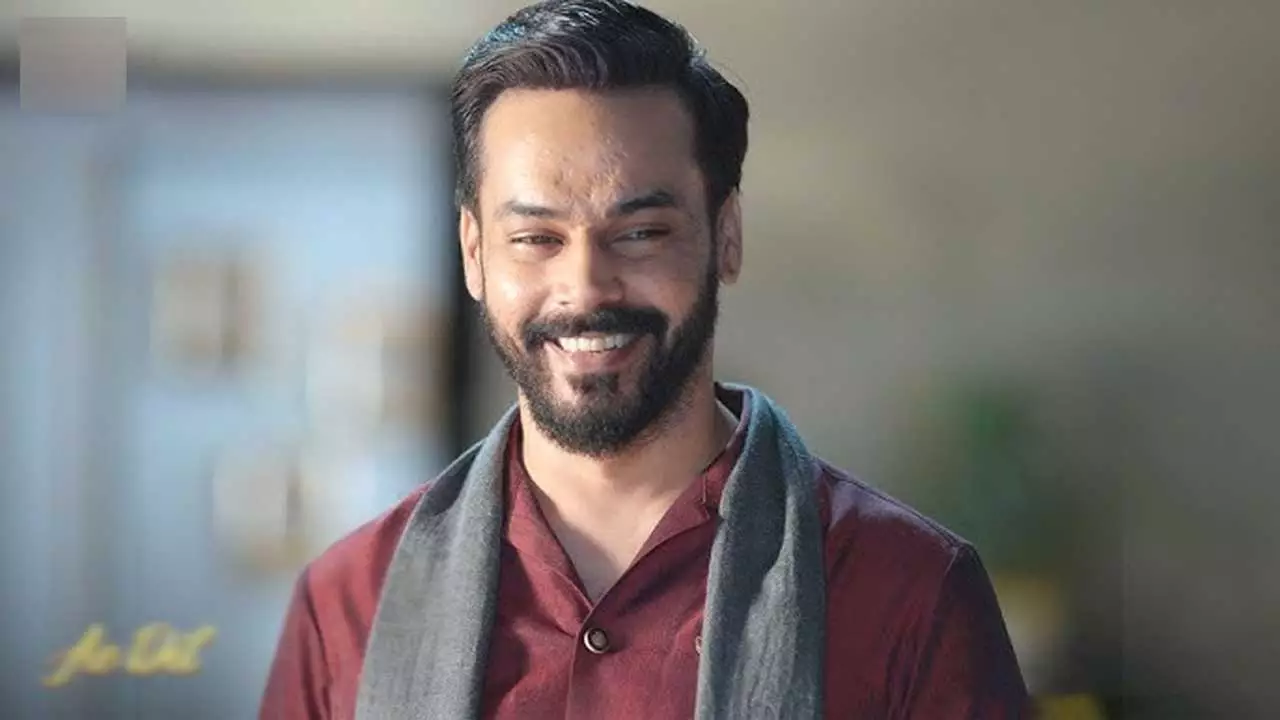
Pakistani actor Gohar Rashid on women’s representation has become a trending topic after his recent remarks about the portrayal of women in films and public campaigns. During an interview, the actor shared his views on item songs in movies and certain posters displayed during the Women’s March. His comments have generated widespread discussion, with many people supporting his perspective while others have expressed disagreement.
Gohar Rashid Speaks Against Objectification
Gohar Rashid emphasized that women should never be portrayed merely on the basis of gender or reduced to objects for entertainment. According to him, cinema has a significant influence on society, and filmmakers should be mindful of the messages they convey through their content.
He explained that he does not support item numbers in films because, in his opinion, such songs often focus more on objectifying women than showcasing meaningful storytelling. He believes the entertainment industry has a responsibility to present female characters with dignity, depth, and purpose.
His comments have reignited conversations about how women are represented in mainstream films and television.
Views on Women’s March Posters
Apart from discussing films, Gohar Rashid also shared his thoughts on some of the posters used during the Women’s March.
He stated that while everyone has the right to express their opinions and advocate for important social issues, the style and wording of certain posters could be more respectful and constructive. According to him, powerful messages can be communicated effectively without using language or visuals that some sections of society may find inappropriate.
The actor stressed that presenting ideas politely can sometimes make them more impactful and encourage broader public engagement.
Social Media Reacts
Following the interview, Gohar Rashid on women’s representation quickly became a topic of discussion across social media platforms.
Supporters agreed with his comments, arguing that films should avoid content that objectifies women and that public campaigns can deliver strong messages in a respectful manner. Many users appreciated his emphasis on dignity and meaningful representation.
Others, however, disagreed with his views regarding the Women’s March. Some believed that activists should have the freedom to choose how they express their concerns, while others argued that protest slogans often reflect frustration over longstanding social issues.
The mixed reactions demonstrate how discussions about gender representation continue to generate diverse opinions.
The Debate Around Item Songs
Item numbers have been part of South Asian cinema for decades and often generate significant commercial attention.
Critics argue that these songs sometimes portray women primarily as visual attractions rather than well-developed characters, reinforcing outdated stereotypes. Supporters, on the other hand, believe such performances are a form of entertainment and artistic expression, provided they involve informed and voluntary participation.
This ongoing debate reflects broader conversations within the film industry about balancing creative freedom with responsible storytelling.
Gohar Rashid’s comments have once again brought this issue into the spotlight.
Representation in Modern Cinema
Over the past several years, filmmakers across Pakistan and other countries have increasingly focused on creating stronger and more realistic female characters.
Many recent productions feature women as professionals, leaders, athletes, entrepreneurs, and central figures driving the storyline rather than supporting characters. This shift has been welcomed by audiences who appreciate more balanced and authentic portrayals.
Industry experts believe that diverse and respectful representation not only benefits viewers but also contributes to richer storytelling.
The discussion initiated by Gohar Rashid on women’s representation reflects this broader transformation within the entertainment industry.
Freedom of Expression and Public Dialogue
Public discussions surrounding social issues often involve differing viewpoints.
Campaigns such as the Women’s March have become important platforms for raising awareness about gender equality, workplace rights, education, safety, and social justice. Participants often use creative slogans and visual messages to attract public attention.
At the same time, opinions vary regarding the style and tone of these campaigns. Some believe bold messaging is necessary to highlight serious issues, while others prefer more moderate approaches that may appeal to a wider audience.
These differing perspectives are common in democratic societies and contribute to ongoing public dialogue.
The Role of Public Figures
Actors and celebrities frequently influence public conversations because of their visibility and large audiences.
When well-known personalities share opinions on social or cultural topics, their comments often receive significant attention and generate public debate. While some people welcome celebrity involvement in social discussions, others believe these issues should remain open to multiple perspectives.
Gohar Rashid’s recent remarks illustrate how public figures can encourage conversations about representation, media ethics, and cultural values.
The debate surrounding women’s portrayal in films and public campaigns is likely to continue as the entertainment industry evolves.
Filmmakers, actors, activists, and audiences all contribute to shaping how women are represented on screen and in society. Constructive discussions can help encourage greater understanding while promoting respectful dialogue among people with different viewpoints.
As more creators prioritize meaningful storytelling and inclusive representation, conversations like these may contribute to positive changes across the industry.
The discussion surrounding Gohar Rashid on women’s representation highlights the continuing conversation about gender portrayal in films and public campaigns. His criticism of item numbers and his comments on some Women’s March posters have received both support and criticism, reflecting the diversity of public opinion.
Regardless of differing perspectives, the debate underscores the importance of thoughtful representation, respectful dialogue, and open discussion. As Pakistan’s entertainment industry continues to grow, conversations about dignity, equality, and creative expression will remain central to shaping its future.