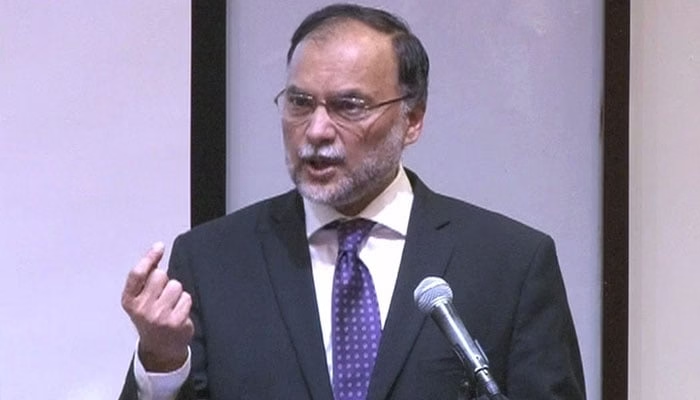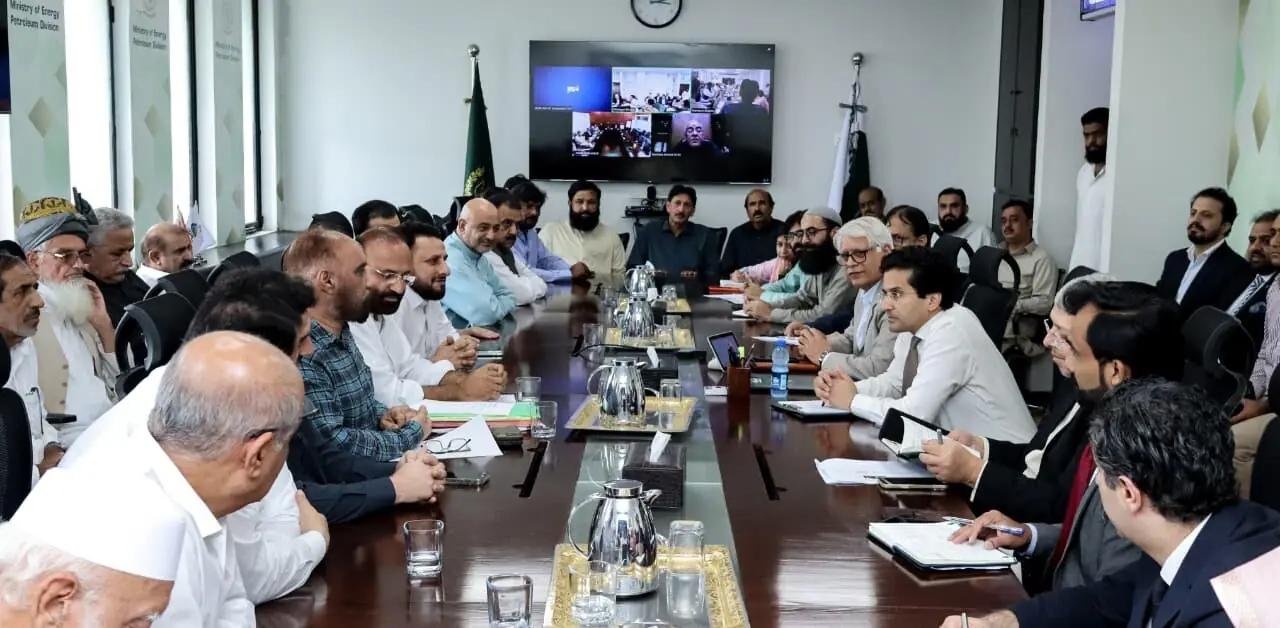
Oil Tanker Industry Reforms have taken a significant step forward after Federal Minister for Petroleum Ali Pervaiz Malik announced the formation of a high-level committee to address the long-standing concerns of the Oil Tanker Contractors Association (OTCA). The initiative reflects the government’s commitment to improving the transportation of petroleum products, ensuring uninterrupted fuel supplies, and creating a fair business environment for all stakeholders involved in the country’s energy sector.
The committee has been tasked with reviewing key issues raised by the industry and submitting practical recommendations within one week. Officials believe that constructive dialogue between regulators, oil companies, and contractors will help develop sustainable solutions that benefit both businesses and consumers.
High-Level Committee to Review Industry Issues
The newly established committee will be chaired by the Special Secretary Petroleum and will include representatives from the Petroleum Division, the Oil and Gas Regulatory Authority (OGRA), the Oil Tanker Contractors Association, and the Oil Companies Advisory Council (OCAC).
Its primary objective is to examine operational challenges affecting the transport of petroleum products and recommend reforms that improve efficiency, transparency, and accountability across the sector.
By involving all major stakeholders, the government hopes to ensure that the committee’s recommendations are practical and widely accepted.
Key Demands Raised by the OTCA
During the meeting with the Petroleum Minister, the Oil Tanker Contractors Association highlighted several issues that it believes require immediate attention.
Among its major demands were:
- A reduction in the quota allocated to the White Oil Pipeline.
- A transparent system for awarding freight contracts by Oil Marketing Companies (OMCs).
- Revision of the freight formula by linking it with the Consumer Price Index (CPI).
- An immediate end to commercial loading practices.
The association argued that addressing these concerns would improve business conditions for transport contractors while ensuring greater fairness throughout the industry.
Focus on Transparency and Fair Competition
One of the most important aspects of the proposed Oil Tanker Industry Reforms is improving transparency in freight contract allocation.
The Petroleum Minister instructed Oil Marketing Companies to submit their written policies regarding freight contract awards. This review aims to identify and eliminate any practices that may unfairly disadvantage certain contractors.
A transparent contracting process can strengthen confidence among industry participants, encourage healthy competition, and improve service quality across Pakistan’s fuel transportation network.
Fair business practices also help create a more stable operating environment for both established companies and smaller transport operators.
Strengthening Regulation Through OGRA
The Oil and Gas Regulatory Authority has also been assigned an important role in the reform process.
The minister directed OGRA to engage directly with industry stakeholders and work toward resolving legitimate concerns through consultation.
In addition, the regulator has been instructed to strengthen the tracking and monitoring of oil tankers operating across the country.
Improved vehicle tracking can increase operational efficiency, enhance road safety, and help prevent unauthorized transportation activities that may affect supply chain reliability.
Modern monitoring systems are increasingly becoming essential components of efficient fuel distribution networks worldwide.
Ensuring Reliable Fuel Supplies
Reliable transportation remains one of the most important elements of Pakistan’s energy infrastructure.
Any disruption in fuel movement can affect industries, transportation, businesses, and ordinary consumers. Recognizing this, the government has emphasized that uninterrupted fuel supply remains a national priority.
The proposed Oil Tanker Industry Reforms are therefore intended not only to address contractor concerns but also to strengthen the overall petroleum supply chain.
A well-functioning transport system helps ensure that fuel reaches refineries, storage facilities, retail outlets, and consumers without unnecessary delays.
Dialogue Instead of Disputes
A positive outcome of the recent meeting was the agreement by both the government and the OTCA to resolve outstanding issues through dialogue rather than confrontation.
The Petroleum Minister assured the delegation that all genuine concerns would receive careful consideration through consultation with relevant institutions.
In response, the Oil Tanker Contractors Association welcomed the formation of the committee and expressed confidence that meaningful progress could be achieved through continued cooperation.
Constructive discussions often produce more sustainable solutions than prolonged disputes, especially in industries that play such an important role in the national economy.
Benefits for the Energy Sector
If implemented effectively, these Oil Tanker Industry Reforms could generate several long-term benefits.
Improved transparency can strengthen investor confidence while creating a more competitive transport market.
Better monitoring systems can enhance safety standards and reduce operational inefficiencies.
Updating freight policies may also provide greater financial stability for transport contractors while ensuring that oil distribution remains economically sustainable.
At the same time, consumers stand to benefit from a more reliable fuel supply network capable of responding efficiently to changing market demands.
The formation of the high-level committee represents an important opportunity to modernize Pakistan’s petroleum transportation system. By bringing together government officials, regulators, oil companies, and transport contractors, the initiative promotes cooperation and practical problem-solving.
As the committee prepares its recommendations, industry stakeholders will be closely watching for reforms that balance operational efficiency with fair business practices. Successful implementation could strengthen Pakistan’s energy infrastructure, improve regulatory oversight, and enhance confidence throughout the petroleum sector.
The latest Oil Tanker Industry Reforms demonstrate the government’s willingness to engage with stakeholders, address legitimate concerns, and build a more transparent and efficient fuel transportation system that supports economic growth and national energy security.