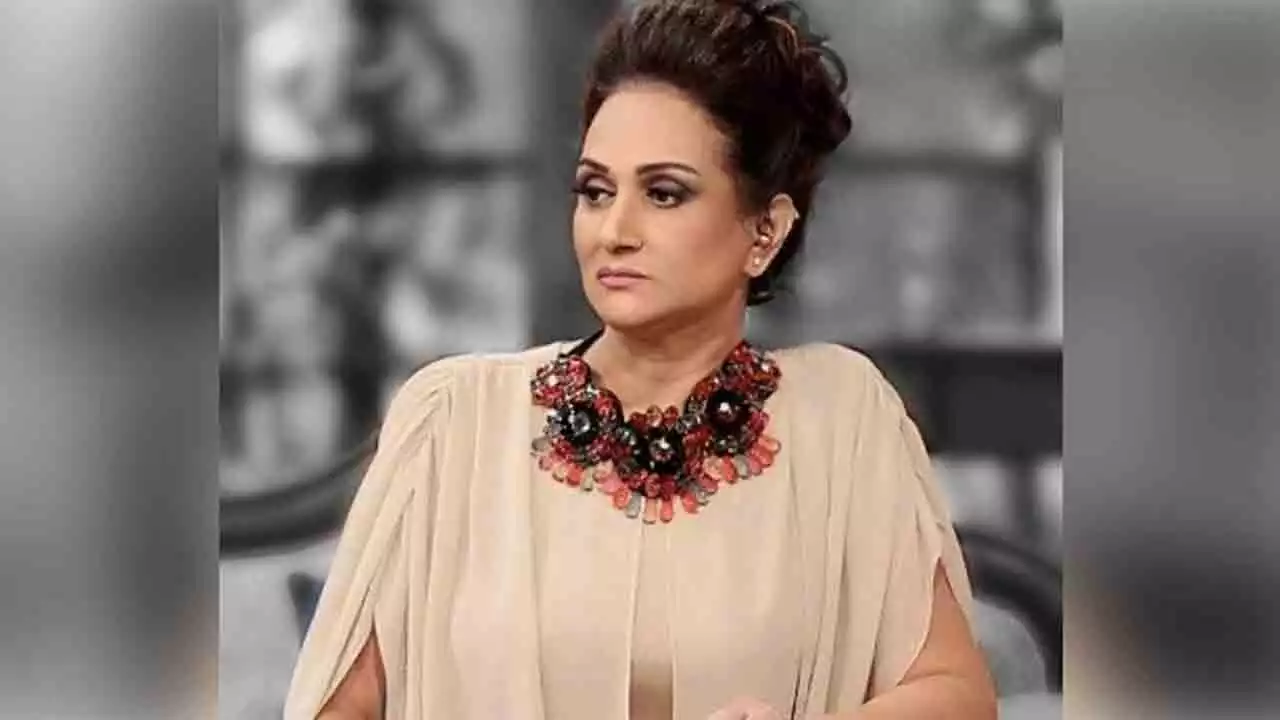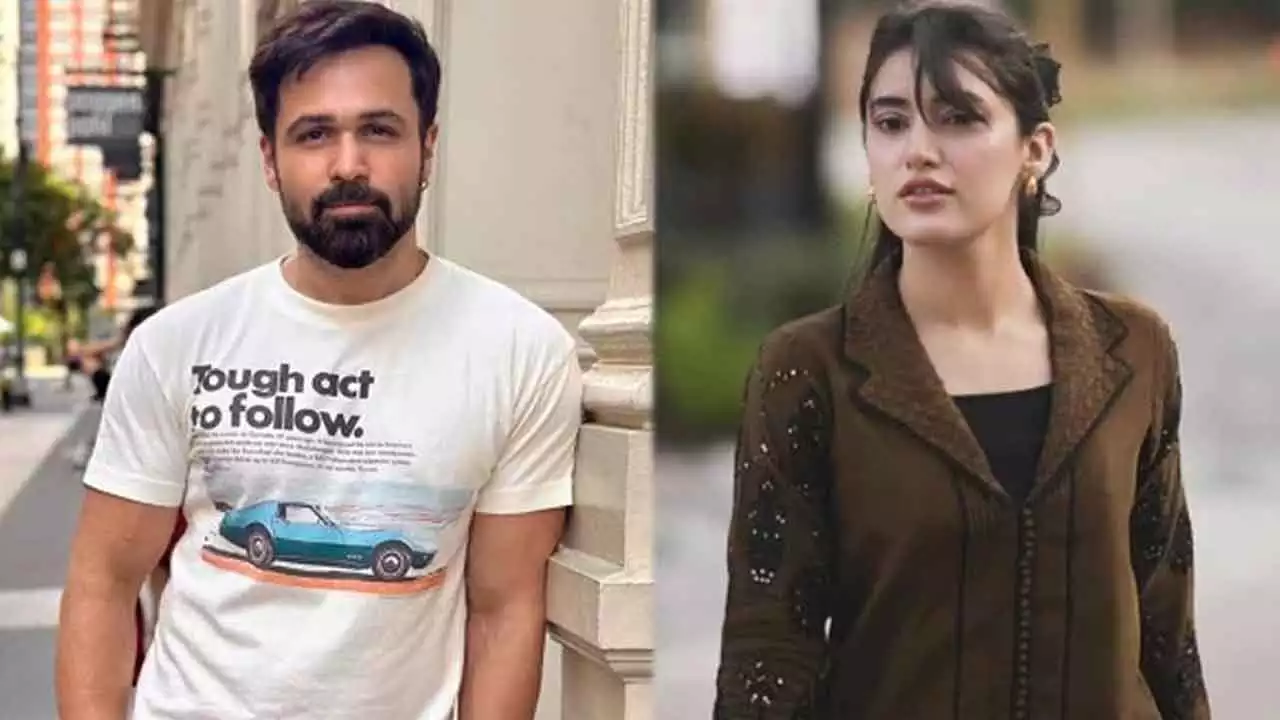
Sahar Hashmi Criticism has become a widely discussed topic after the Pakistani actress shared her thoughts on the backlash she received for some of her on-screen performances. Speaking openly about the challenges of working in the entertainment industry, she explained how criticism has shaped her career while also highlighting the emotional impact of harsh online comments. Her candid remarks have sparked a broader conversation about artistic freedom, audience expectations, and the pressures faced by actors in the public eye.
Sahar Hashmi acknowledged that constructive criticism has helped her grow as an actress. She believes that honest feedback allows performers to improve their skills and better understand audience expectations. However, she also pointed out that not every criticism is fair or logical. According to the actress, certain personal comparisons made on social media, particularly those linking her to Bollywood actor Emraan Hashmi, were hurtful and unrelated to her work.
The discussion around Sahar Hashmi Criticism intensified because of scenes in one of her recent projects that some viewers considered bold. Addressing the issue directly, the actress clarified that every scene she performed was part of the script and aligned with the director’s creative vision. She emphasized that actors are expected to portray their characters authentically and that their performances should be viewed within the context of the story rather than isolated moments.
Sahar explained that before filming sensitive scenes, the director ensured she was completely comfortable with the requirements of the role. She stated that no scene was forced upon her and that mutual understanding between an actor and director is an important part of the creative process. According to her, professional filmmaking depends on trust, preparation, and respect for artistic decisions.
The actress also questioned why female performers often receive harsher criticism than their male co-stars. While discussing the controversy, she observed that much of the public attention focused on her, even though similar scenes involved male actors as well. She responded with humor, suggesting that the comparisons people made may have contributed to the unequal reaction, but she also acknowledged that the experience made her reconsider how she approaches future projects.
One of the most important aspects of Sahar Hashmi Criticism is the conversation it has started about audience influence on creative decisions. Sahar admitted that public opinion matters because television dramas are ultimately produced for viewers. She explained that if audiences consistently reject certain types of scenes, artists naturally take those reactions into account when selecting future roles.
At the same time, she requested that criticism remain respectful. Every performer understands that viewers will have different opinions, but personal attacks and abusive comments can become emotionally damaging. Healthy discussions about acting choices contribute to artistic growth, whereas online harassment often discourages creativity and affects mental well-being.
Sahar also shared the emotional impact of hateful comments on social media. She revealed that there were times when the negativity became so overwhelming that she would cry herself to sleep. Such experiences illustrate the hidden challenges many public figures face behind the scenes. While audiences often see only the finished performance, actors also deal with constant public scrutiny that can affect their confidence and emotional health.
Fortunately, the actress credited her fellow artists and close friends for helping her through those difficult moments. Their encouragement reminded her that criticism should not define a person’s value or talent. Having a strong support system allowed her to regain confidence and continue focusing on her work despite the negativity.
The ongoing discussion surrounding Sahar Hashmi Criticism also highlights the growing influence of social media on the entertainment industry. Online platforms allow audiences to express opinions instantly, creating direct communication between celebrities and fans. While this interaction can strengthen connections, it also increases the spread of misinformation, personal attacks, and unrealistic expectations.
Many industry professionals believe that actors should be evaluated based on their overall performances rather than isolated scenes taken out of context. Every role presents unique challenges, and performers often make creative choices based on the script, director’s vision, and production requirements. Understanding this process can lead to more balanced and constructive conversations about television and film.
The entertainment industry continues to evolve as audiences become more diverse and storytelling becomes increasingly complex. Actors are often required to portray emotionally demanding situations that reflect real-life experiences. Respecting artistic expression while maintaining cultural sensitivity remains an ongoing discussion within the creative community.
The debate surrounding Sahar Hashmi Criticism ultimately goes beyond a single actress or a single drama. It raises important questions about how society views performers, the responsibilities of artists, and the impact of online behavior. Sahar Hashmi’s willingness to speak honestly about her experiences has encouraged meaningful conversations about empathy, professional growth, and the importance of respectful criticism. As audiences continue to engage with entertainment through digital platforms, maintaining constructive dialogue can benefit both artists and viewers while supporting a healthier creative environment for everyone.