Iran Turkey Relations have come under renewed international attention following a diplomatic exchange between Tehran and Ankara over regional security policies. The latest disagreement emerged after Turkish Foreign Minister Hakan Fidan made remarks comparing Iran’s regional security strategy with Israel’s actions in the Middle East. Iran strongly rejected the comparison, describing it as inaccurate and warning that such statements could further complicate an already tense regional environment.
The comments have highlighted the delicate balance both countries must maintain while managing complex geopolitical challenges. Although Iran and Turkey cooperate on several economic and regional issues, they often hold different positions on conflicts across the Middle East. These policy differences occasionally lead to diplomatic disagreements, even as both governments continue to engage through official channels.
The recent debate began when Turkish Foreign Minister Hakan Fidan discussed Iran’s long-standing approach to regional security. He suggested that Tehran has justified its support for allied groups in neighboring countries as a form of preventive security, drawing a comparison with security arguments used by Israel. At the same time, Fidan criticized military actions carried out by both Israel and Iran, reflecting Turkey’s position of opposing further escalation in the region.
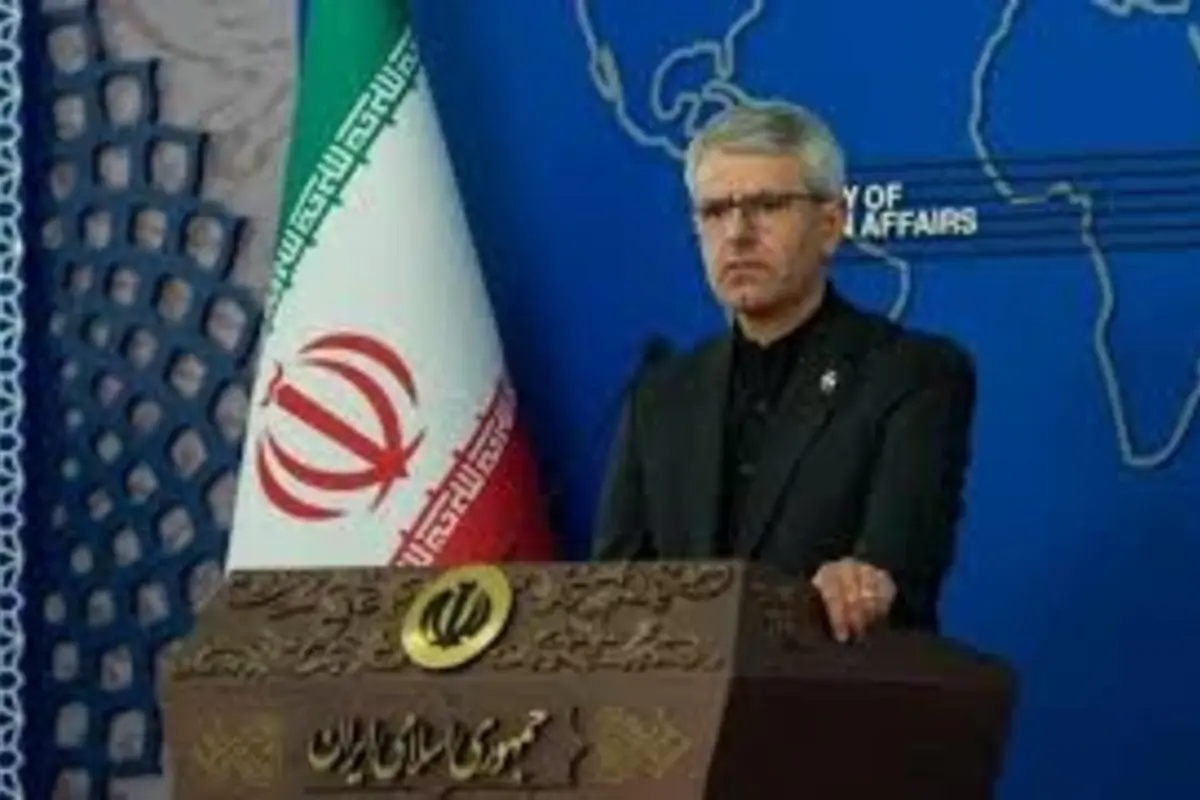
Iran responded firmly through Foreign Ministry spokesman Esmaeil Baghaei during a weekly press briefing. He described the comparison as surprising and rejected the suggestion that Iran’s regional strategy resembles Israel’s approach. According to Baghaei, Iran does not maintain proxy forces in the region and believes such characterizations fail to reflect the realities from Tehran’s perspective.
The latest developments demonstrate how Iran Turkey Relations continue to be shaped by differing security priorities. While both countries remain influential regional powers, their strategic interests do not always align. Issues involving Syria, Iraq, the broader Middle East, and regional alliances have frequently produced differences in policy despite ongoing diplomatic engagement.
Iran also argued that public statements comparing its regional policies with those of Israel could unintentionally support narratives that increase political tensions. Tehran urged Turkish officials to carefully evaluate regional developments before making public assessments, emphasizing the importance of responsible diplomatic communication during periods of instability.
Turkey, meanwhile, has sought to maintain a balanced diplomatic position. Ankara has criticized military operations conducted by Israel while also expressing concern over attacks targeting United States and Israeli interests. This approach reflects Turkey’s broader objective of encouraging de-escalation and preventing the conflict from expanding further across the region.
The current situation illustrates the complexity of Iran Turkey Relations in today’s geopolitical environment. Both countries share extensive economic ties, common borders, and regional interests, yet they often pursue different foreign policy strategies. Managing these differences requires continuous dialogue and diplomatic engagement to avoid unnecessary escalation.
Regional stability remains one of the primary concerns for both governments. The Middle East continues to face multiple security challenges, including ongoing conflicts, humanitarian crises, and political uncertainty. Diplomatic disagreements between major regional powers can influence broader efforts aimed at reducing tensions and promoting long-term peace.
Analysts believe that maintaining open communication channels is essential, even when governments disagree on specific policy issues. Diplomatic dialogue allows countries to clarify positions, reduce misunderstandings, and explore areas where cooperation remains possible despite broader political differences.
Economic cooperation has historically served as an important pillar of Iran Turkey Relations. Trade, transportation, tourism, and energy partnerships have benefited both countries over many years. Preserving these areas of cooperation remains valuable even when political disagreements arise over regional affairs.
The recent exchange also highlights the importance of carefully chosen diplomatic language. Statements made by senior officials often receive significant international attention and can influence regional perceptions. Constructive communication helps reduce unnecessary friction while creating opportunities for continued dialogue.
International observers continue monitoring developments closely because relations between Iran and Turkey affect broader regional dynamics. As two influential countries located at the crossroads of Asia and the Middle East, their diplomatic interactions carry implications for neighboring states, international trade routes, and regional security initiatives.
Despite periodic disagreements, both governments have demonstrated in the past that dialogue remains possible even during difficult periods. Diplomatic mechanisms, bilateral meetings, and regional forums provide opportunities to address differences while maintaining broader cooperation on issues of shared interest.
Iran Turkey Relations will likely continue balancing cooperation with competition. Both countries have significant regional influence and will remain important participants in discussions concerning Middle Eastern stability. Continued diplomatic engagement, mutual respect, and careful communication can help prevent policy differences from developing into more serious disputes.
The recent exchange serves as a reminder that diplomacy requires patience, understanding, and ongoing dialogue. While disagreements over regional security strategies are not uncommon, maintaining respectful communication remains essential for preserving constructive bilateral relations. As tensions continue across the Middle East, the ability of regional powers such as Iran and Turkey to manage differences through diplomacy will play an important role in supporting regional stability, reducing conflict, and encouraging peaceful solutions to shared challenges.