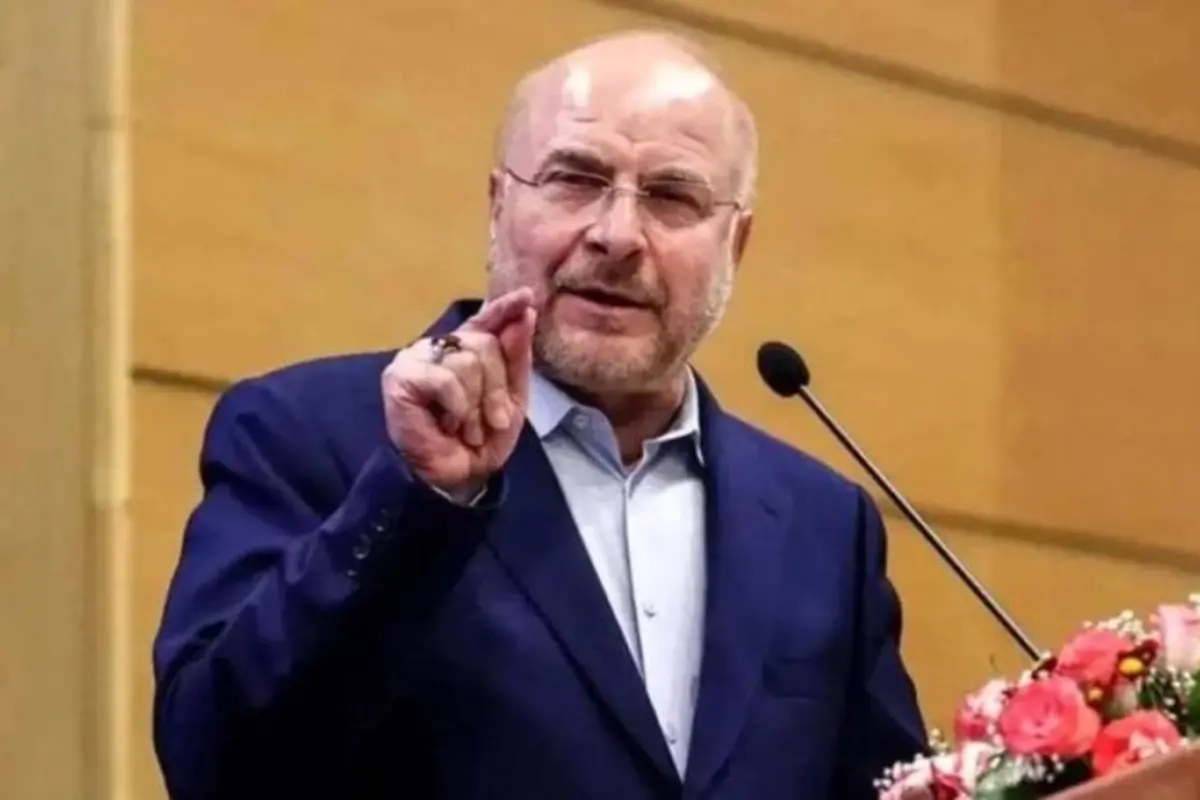
The Ayatollah Khamenei funeral procession in Iraq has become one of the most widely discussed events in the region, drawing millions of mourners and attracting significant political and international attention. Iranian Parliament Speaker Mohammad Baqer Qalibaf described the gathering as more than a farewell ceremony, saying it reflected public support for Ayatollah Seyyed Ali Khamenei’s legacy and his contributions to regional affairs. The massive turnout highlighted the strong religious and historical ties between Iran and Iraq while emphasizing the symbolic importance of the event.
A Massive Gathering Across Iraq
The funeral procession held in Iraq witnessed an overwhelming public response as large crowds gathered to pay tribute to the late Ayatollah Seyyed Ali Khamenei. The ceremonies took place in important religious cities, where thousands of participants joined processions, prayers, and commemorative events.
According to Iranian officials, the event represented one of the largest public gatherings in recent years. Millions of mourners participated peacefully, reflecting the importance of the occasion for many people across the region.
The Ayatollah Khamenei funeral procession also received extensive media coverage, highlighting the scale of public participation and the emotional atmosphere surrounding the ceremonies.
Qalibaf Praises Iraqi Participation
Iranian Parliament Speaker Mohammad Baqer Qalibaf expressed appreciation for the Iraqi people, praising what he described as their remarkable participation in the funeral events.
In his public message, he thanked Iraqi citizens for their hospitality and support, stating that the large turnout reflected strong cultural and religious bonds between the neighboring countries.
According to Qalibaf, the gathering was not only an act of mourning but also a public expression of respect for Ayatollah Khamenei’s ideas and leadership.
His remarks emphasized that the event carried symbolic importance beyond the funeral itself.
More Than a Farewell Ceremony
Officials from Iran characterized the funeral as a significant historical event rather than simply a traditional memorial.
Qalibaf stated that the Ayatollah Khamenei funeral procession represented solidarity among supporters who admired his role in promoting unity, justice, and regional cooperation.
He argued that the gathering sent a broader message about preserving values associated with Ayatollah Khamenei’s leadership while honoring his contributions throughout his lifetime.
Although interpretations of his legacy vary internationally, supporters viewed the funeral as an opportunity to celebrate his influence on political, religious, and cultural discussions.
Honoring a Long Public Career
Ayatollah Seyyed Ali Khamenei was regarded by supporters as an influential religious and political figure whose leadership shaped many developments within Iran and across the wider region.
Throughout his public life, he frequently addressed issues related to Muslim unity, regional stability, and social development.
Supporters believe his efforts extended beyond politics into education, cultural preservation, and intellectual growth.
During the Ayatollah Khamenei funeral procession, many participants carried banners and portraits while offering prayers and paying tribute to his decades of public service.
Strong Iran-Iraq Religious Ties
The funeral ceremonies also highlighted the close historical relationship between Iran and Iraq.
The two neighboring countries share centuries of religious, cultural, and historical connections, particularly through important holy cities such as Najaf and Karbala.
These locations regularly host millions of pilgrims each year and remain central to religious life for many Muslims.
The funeral procession demonstrated how these shared traditions continue to strengthen cooperation between religious communities across both nations.
Many observers noted that Iraq’s participation reflected these longstanding spiritual and cultural connections.
Regional Attention Focuses on the Event
The Ayatollah Khamenei funeral procession attracted attention far beyond Iran and Iraq.
International media closely followed the ceremonies as governments, political analysts, and regional observers assessed the significance of the large public turnout.
Some viewed the event primarily as a religious gathering, while others interpreted it within the broader political landscape of the Middle East.
Regardless of differing perspectives, the scale of participation made the funeral one of the region’s most widely discussed events.
Legacy and Public Memory
Funeral processions for prominent public figures often become moments of national reflection.
For many attendees, participating in the ceremonies provided an opportunity to honor a leader they believed had devoted his life to serving his country and supporting important causes.
Public memorials also allow communities to express collective emotions while remembering historical figures whose influence extended across generations.
The Ayatollah Khamenei funeral procession served this purpose for many supporters who wished to pay their final respects.
Symbolism of the Procession
Large public gatherings frequently carry symbolic meaning beyond the immediate event.
Participants described the funeral as representing unity, remembrance, and continuity.
Religious scholars and community leaders attending the ceremonies emphasized themes of faith, solidarity, and shared identity throughout the procession.
These symbolic elements contributed to the event’s importance in both religious and public life.
International Reactions
Reactions to the funeral have varied across different countries and political perspectives.
Supporters praised the strong public participation and viewed it as evidence of Ayatollah Khamenei’s lasting influence.
Others have focused on the broader political implications of the event within regional affairs.
As with many major international events, opinions differ depending on historical, political, and diplomatic viewpoints.
The Ayatollah Khamenei funeral procession in Iraq became a significant event that attracted millions of participants while highlighting the deep religious and cultural ties between Iran and Iraq. Iranian Parliament Speaker Mohammad Baqer Qalibaf described the gathering as both a tribute to Ayatollah Khamenei’s legacy and an expression of public solidarity.
Whether viewed from a religious, cultural, or political perspective, the funeral reflected the importance many supporters attached to Ayatollah Khamenei’s life and leadership. The massive public participation ensured that the event will remain an important moment in the recent history of the region, remembered for its scale, symbolism, and emotional significance.