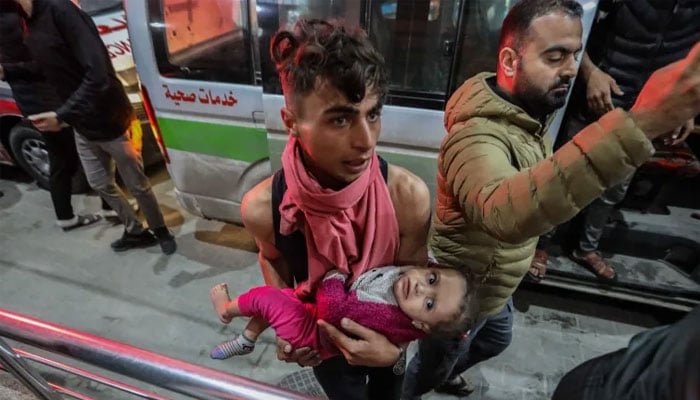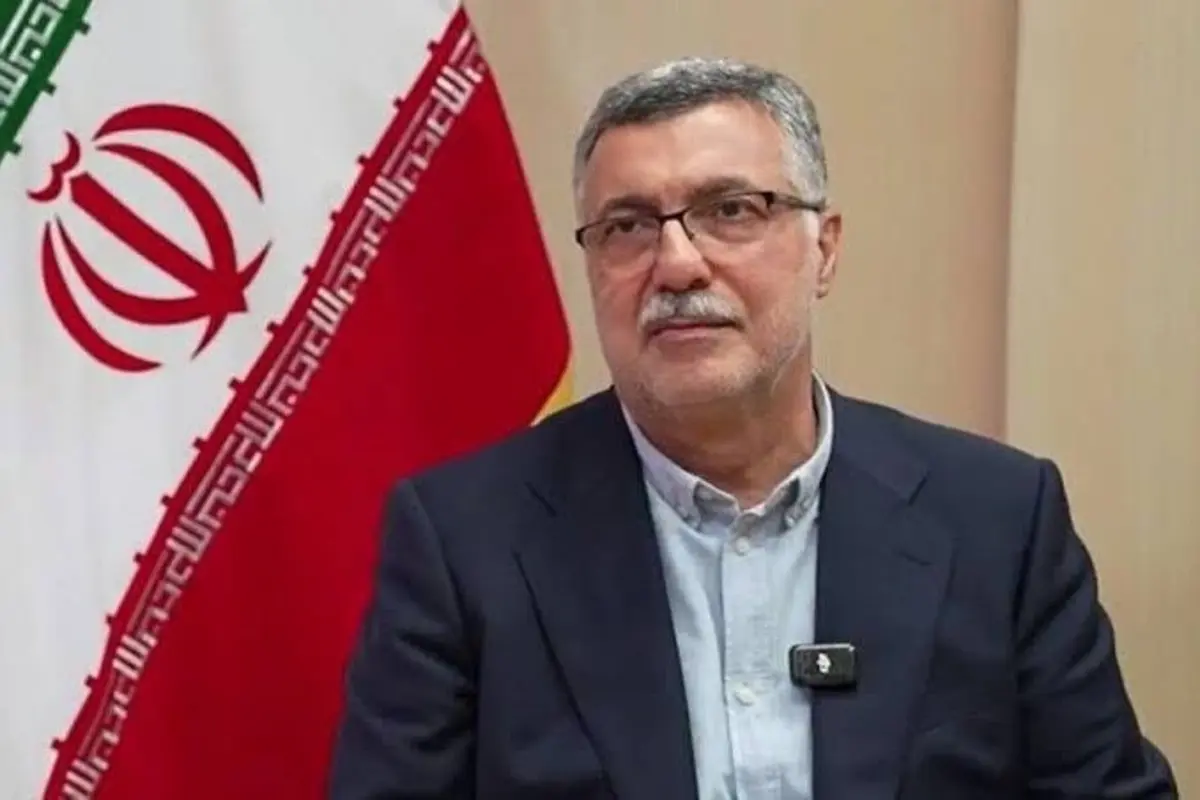
The Lamerd Stadium Attack has drawn widespread attention after Iran’s Health Minister Mohammad-Reza Zafarqandi condemned the incident as a humanitarian tragedy that claimed the lives of innocent civilians and left many others injured. During his visit to Lamerd, the minister inspected hospitals, reviewed emergency medical services, and praised healthcare workers who responded to the crisis. The incident has once again highlighted the devastating impact of armed conflict on civilians and the immense pressure placed on healthcare systems during emergencies.
Health Minister Visits Lamerd
Following the Lamerd Stadium Attack, Health Minister Mohammad-Reza Zafarqandi traveled to the affected area to evaluate the medical response and assess the condition of healthcare facilities treating the injured.
During the visit, he toured different hospital departments, met with doctors and nurses, and reviewed emergency preparedness. The minister said the purpose of the inspection was to ensure that hospitals had the necessary resources to provide timely treatment while identifying additional requirements to strengthen healthcare services in the region.
His visit reflected the government’s focus on evaluating both immediate medical needs and long-term healthcare preparedness following a major emergency.
Civilian Casualties Raise Humanitarian Concerns
According to officials, the attack resulted in multiple civilian casualties, including women, children, and young people. The health minister stated that victims ranged from a two-year-old child to adults, emphasizing that innocent civilians were among those affected.
He described the incident as a serious humanitarian tragedy and strongly condemned what he called an attack on defenseless people.
While officials have made various claims regarding responsibility for the strike, independent verification of all allegations remains limited, and the broader circumstances surrounding the incident continue to receive international attention.
Hospitals Face Emergency Situation
The Lamerd Stadium Attack placed local hospitals under significant pressure as medical teams worked to treat a large number of injured patients within a short period.
Emergency departments activated crisis response procedures to manage incoming casualties. Doctors, surgeons, nurses, and support staff worked continuously to provide urgent medical care, stabilize critically injured patients, and coordinate specialized treatment when necessary.
The minister inspected emergency wards, operating rooms, and patient care units to evaluate whether additional medical supplies or personnel were required.
Praise for Healthcare Workers
During his hospital visit, Zafarqandi expressed appreciation for healthcare professionals who remained on duty throughout the emergency.
He praised doctors, nurses, emergency responders, and medical staff for their professionalism, dedication, and rapid response despite the challenging circumstances.
According to the minister, the ability of healthcare teams to deliver specialized treatment under pressure demonstrated the resilience of Iran’s medical system and the commitment of frontline healthcare workers.
He noted that crisis situations place extraordinary demands on medical personnel, making their efforts especially valuable during emergencies involving mass casualties.
Importance of Emergency Preparedness
Large-scale emergencies such as the Lamerd Stadium Attack underline the importance of maintaining well-prepared healthcare systems capable of responding quickly during crises.
Hospitals require sufficient emergency equipment, trained personnel, trauma care facilities, blood supplies, and effective communication systems to manage sudden increases in patient numbers.
Health authorities often use incidents like these to review existing emergency plans and identify areas for improvement.
Investments in disaster preparedness, emergency medicine, and hospital infrastructure remain essential components of national healthcare planning.
Humanitarian Impact Beyond Immediate Injuries
Beyond physical injuries, violent incidents often leave lasting psychological and emotional effects on survivors, families, and local communities.
Mental health support becomes an important part of recovery, particularly for children and individuals who witness traumatic events.
Healthcare experts frequently emphasize that comprehensive recovery includes not only physical treatment but also counseling, rehabilitation services, and long-term psychological care.
Communities affected by violence may require continued support long after emergency medical treatment has ended.
Medical Infrastructure Under Review
The health minister explained that his visit also focused on reviewing the region’s healthcare infrastructure.
Officials assessed hospital capacity, emergency response systems, ambulance services, medical equipment availability, and coordination between healthcare institutions.
Such evaluations help authorities determine where additional investments may be needed to strengthen healthcare delivery during future emergencies.
Improving hospital readiness can significantly enhance response times and patient outcomes during disasters or large-scale incidents.
International Attention on Civilian Protection
Incidents involving civilian casualties frequently attract international concern and renew discussions about humanitarian principles during armed conflicts.
International humanitarian law emphasizes the protection of civilians and medical facilities during hostilities. Governments, humanitarian organizations, and international institutions often call for investigations when civilian infrastructure or populated areas are affected by military action.
While political perspectives on conflicts may differ, protecting civilian lives remains a central humanitarian concern recognized worldwide.
Healthcare officials are expected to continue monitoring injured patients while reviewing lessons learned from the emergency response.
Strengthening hospital preparedness, expanding emergency resources, and supporting healthcare workers will likely remain priorities following the incident.
Medical experts also stress the importance of ensuring access to rehabilitation services and mental health care for survivors as communities begin the recovery process.
The Lamerd Stadium Attack has highlighted both the devastating human cost of conflict and the critical role of healthcare professionals during emergencies. As hospitals continue treating the injured, the dedication shown by doctors, nurses, and emergency responders has been widely recognized.
The incident also underscores the importance of strong emergency preparedness, resilient healthcare systems, and continued efforts to protect civilian lives during times of conflict. Moving forward, improving medical infrastructure and supporting affected communities will remain essential to addressing both the immediate and long-term consequences of such tragedies.