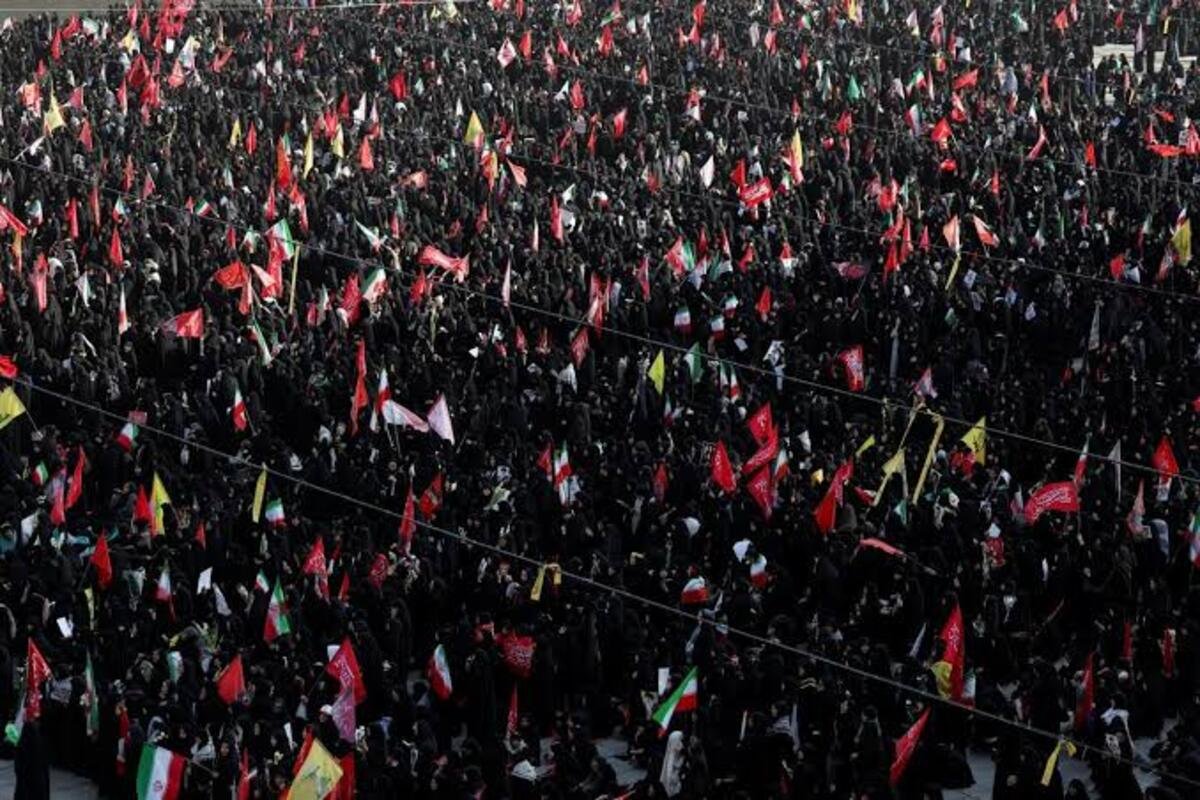
The Great Khamenei Era has become a defining phrase in Iran following the farewell ceremonies held for the late Supreme Leader Ayatollah Seyyed Ali Khamenei. As millions of mourners gathered across the country, Iranian officials described the events as not only a tribute to a prominent leader but also the beginning of a new chapter in the country’s political and ideological journey. The ceremonies reflected Iran’s determination to preserve its leadership legacy while emphasizing national unity during a period of regional uncertainty.
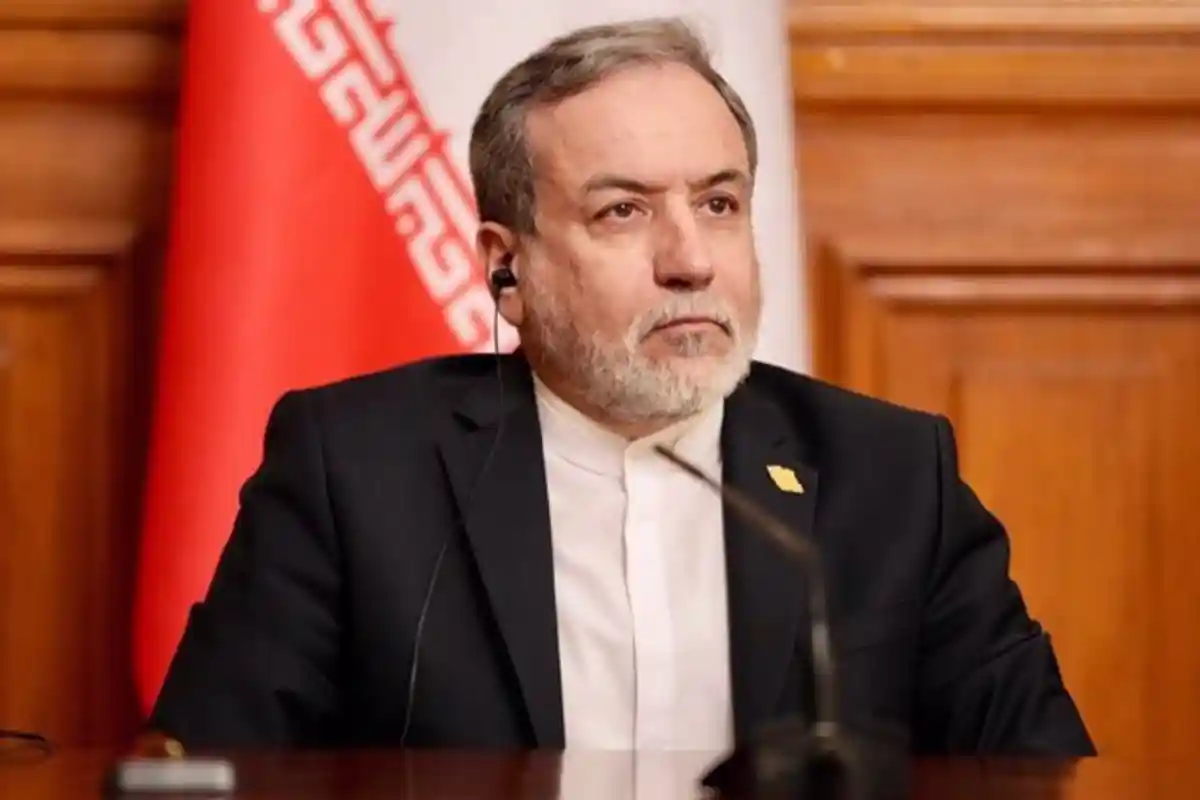
The phrase Great Khamenei Era was introduced by the head of Iran’s state broadcaster, Islamic Republic of Iran Broadcasting (IRIB), during official commemorative events in Tehran. According to Iranian authorities, the farewell ceremonies symbolize continuity rather than an end, highlighting the country’s commitment to maintaining the principles and direction established under Ayatollah Khamenei’s leadership.
Large crowds attended mourning ceremonies across Tehran, where streets were filled with people carrying flags, portraits, and banners honoring the late leader. Religious scholars, government officials, military representatives, and citizens from different provinces participated in the gatherings. The events demonstrated the importance of Ayatollah Khamenei’s role in Iran’s modern history and the emotional connection many supporters continue to express.
Iranian state media reported that Ayatollah Khamenei was killed during military strikes on Tehran on February 28, 2026, during the opening stages of a conflict involving Iran, the United States, and Israel. Iranian officials have described the incident as an assassination and maintain that the conflict concluded after Iran’s military response led to a halt in hostilities. The United States and Israel have presented different perspectives regarding the conflict, reflecting the ongoing disagreements surrounding the events.
The Great Khamenei Era narrative also focuses on preserving the ideological foundations that shaped Iran’s domestic and foreign policies over several decades. Officials have repeatedly stressed that the country’s institutions remain stable and that leadership transitions will continue according to constitutional procedures while maintaining national unity.
The funeral schedule itself has attracted considerable international attention. According to Iranian officials, the main funeral procession is scheduled to take place in Tehran on July 6, bringing together political leaders, religious scholars, military officials, and citizens from across the country. Additional ceremonies will continue in the holy city of Qom on July 7, reflecting the religious significance of the late Supreme Leader’s legacy.
Commemorative events are also planned outside Iran. Religious leaders and community representatives in Iraq requested memorial ceremonies in the holy cities of Najaf and Karbala on July 8. These events demonstrate the influence Ayatollah Khamenei maintained among sections of the broader Shia community beyond Iran’s borders. Organizers expect scholars, tribal leaders, and members of the public to participate in these gatherings.
Supporters argue that the Great Khamenei Era represents more than remembrance. They believe it reflects resilience during a challenging period and reinforces Iran’s determination to continue pursuing its national objectives despite external pressures. Government officials have repeatedly highlighted themes of independence, sovereignty, and national unity throughout the ongoing commemorations.
Security arrangements surrounding the ceremonies have been extensive. Authorities have deployed additional personnel across major cities to facilitate large public gatherings and ensure the events proceed peacefully. Transportation services have also been expanded to accommodate visitors traveling from different provinces to participate in the farewell processions.
International observers continue to monitor developments closely, recognizing the potential regional implications of leadership transitions in Iran. Diplomatic analysts note that the funeral ceremonies carry symbolic importance, not only for domestic audiences but also for neighboring countries following political developments in the region.
Beyond politics, the ceremonies have emphasized religious traditions deeply rooted in Iranian society. Public prayers, recitations, and religious processions have formed an important part of the commemorations. These traditions provide an opportunity for many citizens to express both personal grief and collective solidarity during a significant national moment.
The Great Khamenei Era has also generated widespread discussion across media platforms, where supporters describe it as a continuation of values associated with the late Supreme Leader’s leadership. Iranian state media has extensively covered the ceremonies, interviews, and public gatherings while highlighting messages of unity and resilience.
While different countries and analysts interpret recent events through varying political perspectives, there is broad recognition that the passing of Ayatollah Khamenei marks a significant moment in Iran’s contemporary history. The scale of the funeral ceremonies reflects his influence within Iran and the importance attached to this transition by the country’s leadership and supporters.
As the commemorative events continue across Iran and neighboring Iraq, the Great Khamenei Era remains the central message promoted by Iranian officials. Whether viewed through a political, religious, or historical lens, the farewell ceremonies have become a defining national event that will likely shape public discussion and regional attention for months to come.