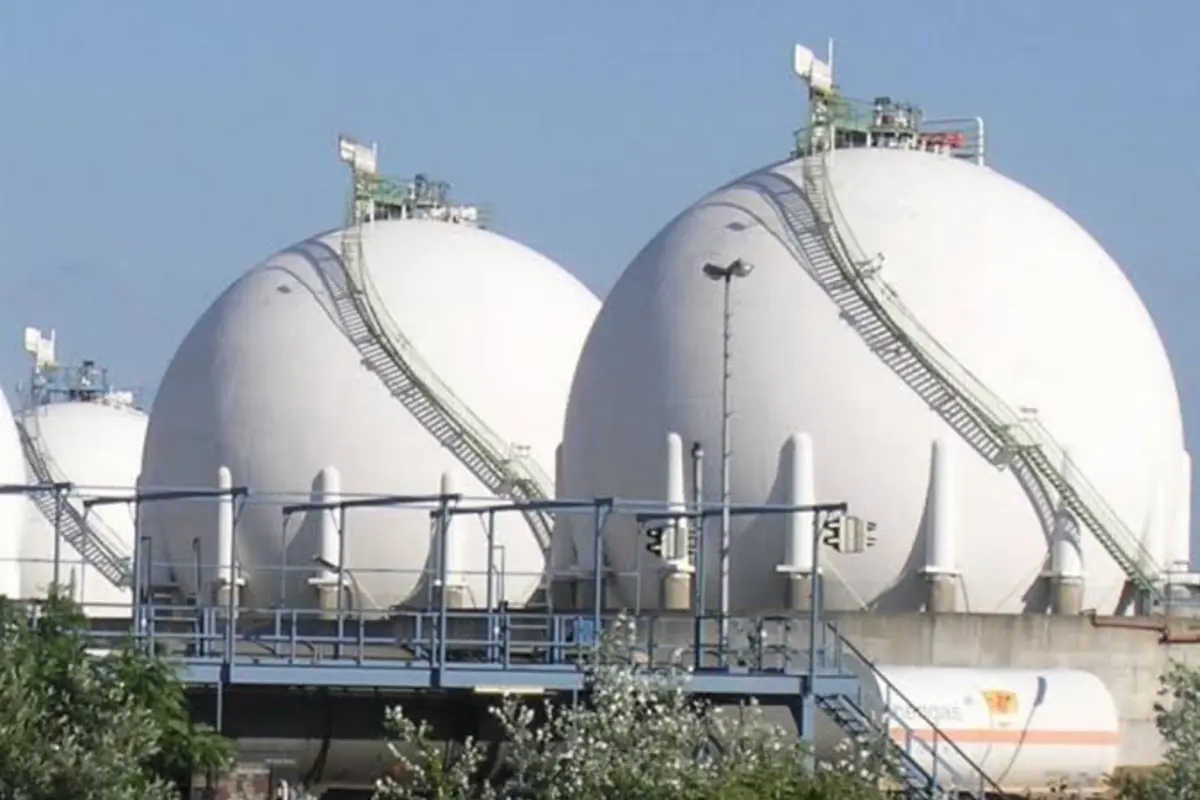
The Europe Gas Storage Crisis is becoming a growing concern as the continent prepares for the upcoming winter season. Natural gas reserves across the European Union remain well below seasonal expectations, increasing fears of supply shortages and higher energy prices. With storage facilities struggling to meet planned filling targets, governments, businesses, and consumers are closely monitoring the situation ahead of peak winter demand.
The latest industry data suggests that Europe could enter winter with lower-than-expected gas reserves, making the region more vulnerable to market volatility and potential supply disruptions.
Gas Storage Levels Lag Behind Targets
According to recent reports, underground natural gas storage facilities across the European Union were only around 48% full in June. This represents the lowest storage level recorded for this time of year in the past 15 years.
Typically, European countries work aggressively during the summer months to inject gas into storage facilities before winter arrives. However, the current pace has fallen behind official targets, raising concerns that reserves may not reach comfortable levels before the heating season begins.
Even optimistic forecasts suggest that storage levels could reach only about 76% by the end of October. This is lower than the levels many experts consider necessary to ensure stable supplies throughout the winter.
The ongoing Europe Gas Storage Crisis highlights the growing challenge of balancing supply and demand in an increasingly uncertain global energy market.
Why Europe Faces Energy Challenges
Several factors have contributed to Europe’s current energy situation.
The biggest challenge remains the reduction in Russian natural gas supplies following the conflict in Ukraine. Before the war, Russia supplied a significant portion of Europe’s natural gas demand. Since then, sanctions, pipeline disruptions, and changing political relations have forced European countries to seek alternative suppliers.
Although Europe has increased imports of liquefied natural gas (LNG) from countries such as the United States and Qatar, replacing Russian supplies has proven both expensive and complicated.
At the same time, global competition for LNG cargoes has intensified. Asian markets continue to purchase large volumes of natural gas, making it harder for Europe to secure affordable supplies.
These combined pressures have intensified the Europe Gas Storage Crisis, creating uncertainty about future energy availability.
Rising Risk of Price Volatility
Lower gas storage levels often translate into greater price fluctuations.
If colder-than-normal weather arrives during winter, demand for heating will rise sharply. With limited reserves available, natural gas prices could increase rapidly, affecting households and businesses across Europe.
Industrial manufacturers are especially vulnerable because many sectors rely heavily on natural gas for production. Higher energy costs may increase manufacturing expenses, reduce competitiveness, and place additional pressure on economic growth.
Consumers may also experience higher utility bills, making household budgets more difficult to manage during the winter months.
For financial markets, energy uncertainty often creates broader economic concerns, influencing inflation, interest rates, and business investment decisions.
Governments Continue Energy Diversification
European governments have spent the past several years working to reduce dependence on a single energy supplier.
Investments in renewable energy projects, expanded LNG import terminals, and improved energy efficiency have become central parts of Europe’s long-term energy strategy.
Many countries have accelerated solar and wind energy projects while increasing investments in hydrogen technologies and electricity storage systems.
Governments are also encouraging consumers to adopt energy-saving measures that reduce overall gas consumption.
While these initiatives strengthen long-term energy security, they cannot completely solve the immediate challenges presented by the current Europe Gas Storage Crisis.
Geopolitical Tensions Continue to Influence Markets
Global geopolitical developments remain one of the biggest factors affecting energy markets.
Ongoing tensions involving Russia, Ukraine, and other regions continue to influence natural gas availability and pricing. Any disruption in production, transportation, or export routes can quickly impact international energy markets.
Energy traders closely monitor political developments because uncertainty often leads to price spikes. Even minor disruptions can influence market sentiment when storage levels remain below expectations.
As Europe continues searching for reliable energy sources, maintaining stable supply chains has become a strategic priority for policymakers.
What This Means for Consumers
For households across Europe, the coming winter may require careful energy management.
Although governments have introduced various support measures in recent years, rising wholesale gas prices could eventually affect residential heating costs. Consumers may also face higher electricity prices since natural gas continues to play an important role in power generation.
Businesses are equally focused on energy planning, particularly industries with high fuel consumption. Many companies have already invested in energy-efficient technologies to reduce operating expenses and improve resilience against future price increases.
The months leading up to October will be critical for Europe’s energy outlook.
If gas injections accelerate and weather conditions remain favorable, storage levels may improve before winter begins. However, unexpected supply disruptions or increased global demand could make the situation more challenging.
The Europe Gas Storage Crisis serves as a reminder that energy security remains a major priority for the European Union. Continued investment in diversified energy sources, stronger infrastructure, and improved storage capacity will play a key role in reducing future risks.
As winter approaches, governments, businesses, and consumers will continue monitoring storage levels and global market developments, hoping for stable supplies and manageable energy prices during one of the most important seasons of the year.