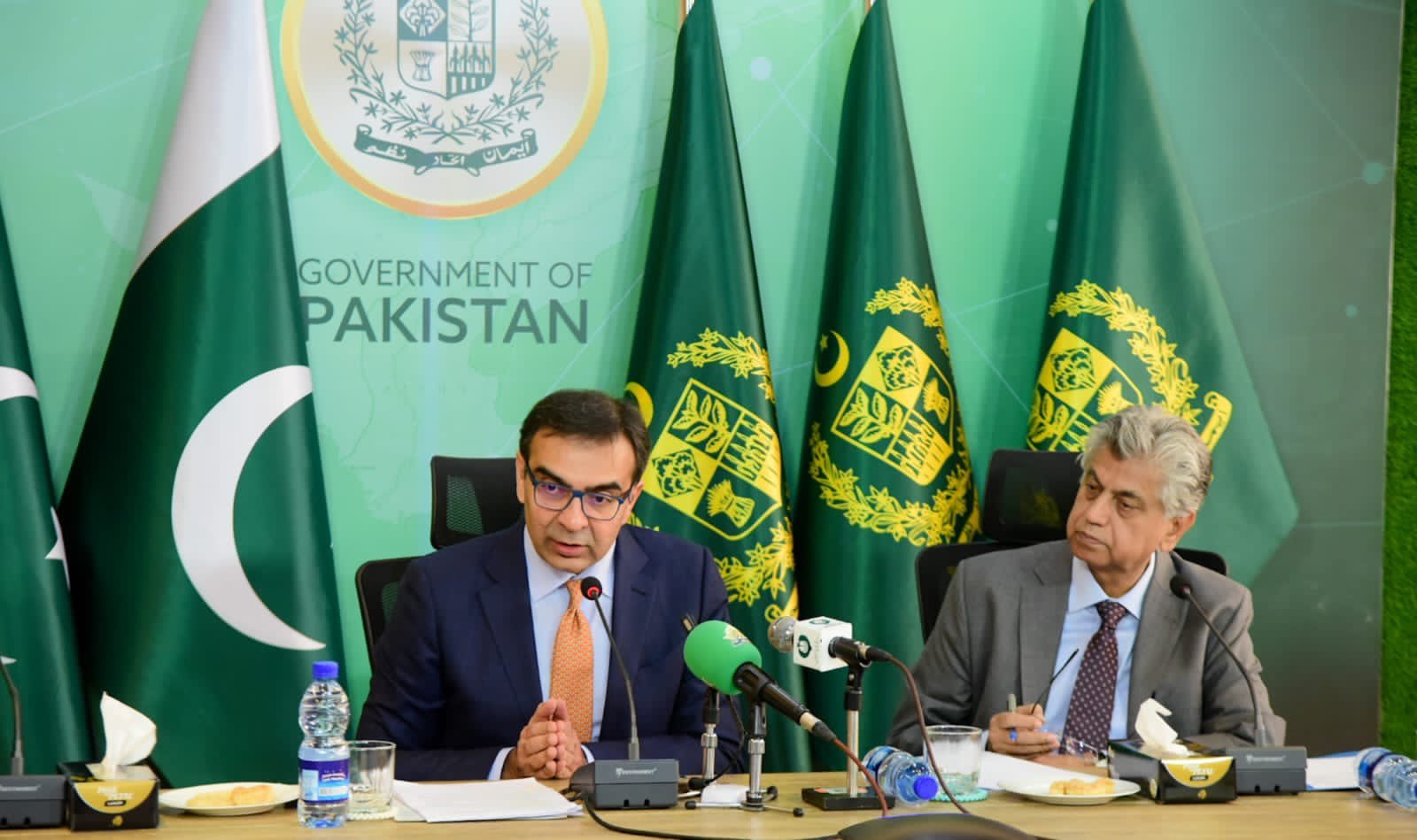
The PSX Market Decline became the main focus for investors on Monday as the Pakistan Stock Exchange (PSX) ended the trading session in negative territory after a wave of profit-taking erased early gains. Despite positive sentiment during the shortened trading week, investors chose to secure profits, causing the benchmark KSE-100 Index to close lower.
The stock market remains one of the most closely watched indicators of Pakistan’s economic health, and Monday’s performance highlighted how quickly investor sentiment can shift in response to market conditions and global developments.
KSE-100 Index Ends Lower
The Pakistan Stock Exchange witnessed selling pressure across several major sectors, resulting in a decline of 1,156.47 points in the KSE-100 Index. The benchmark index closed at 178,414.79 points, representing a drop of 0.64 percent.
Although the market started the day on a positive note, investors gradually moved towards profit-booking, particularly in sectors that had recorded strong gains in previous sessions. As a result, the PSX Market Decline reflected a natural correction after recent upward momentum.
Market analysts noted that profit-taking is a common feature in stock markets, especially after a period of sustained gains. Investors often sell shares to lock in profits, leading to temporary downward movements.
Major Sectors Face Selling Pressure
Several heavyweight sectors contributed to the decline in the stock market.
Automobile companies experienced selling activity as investors reduced exposure after recent gains. Cement stocks also came under pressure as market participants reassessed future demand and economic growth expectations.
Commercial banks, which often play a significant role in determining market direction, were among the sectors facing notable selling. Fertilizer companies, oil and gas exploration firms, oil marketing companies, and power generation stocks also witnessed declines.
Large-cap companies including National Bank of Pakistan (NBP), Oil and Gas Development Company (OGDC), Mari Energies, Pakistan Petroleum Limited (PPL), and HUBCO ended the session in the red, adding considerable pressure to the benchmark index.
The performance of these major companies was a key factor behind the PSX Market Decline witnessed during the trading session.
Positive Weekly Performance Despite Decline
While Monday’s trading session ended negatively, the broader market picture remained encouraging.
The Pakistan Stock Exchange still recorded gains over the shortened three-day trading week. Investor confidence improved significantly due to several positive developments affecting the economy and financial markets.
One important factor was the easing of geopolitical tensions in the Middle East. Reduced uncertainty in the region helped improve investor sentiment and encouraged participation in the stock market.
In addition, changes introduced in the FY2026-27 Finance Bill were viewed positively by market participants. Investors welcomed measures that could potentially support business activity and economic growth.
Lower fuel prices within Pakistan also contributed to improved market sentiment during the week. Reduced energy costs often benefit businesses by lowering operational expenses and improving profitability.
These factors helped limit the overall impact of the PSX Market Decline and supported investor confidence in the broader market outlook.
Global Oil Prices Rise Again
While the local stock market struggled, international oil prices moved higher due to renewed concerns about global energy supplies.
Brent crude oil rose to $72.57 per barrel, while West Texas Intermediate (WTI) crude increased to $70.11 per barrel.
The rise in oil prices was largely driven by renewed tensions between the United States and Iran. Market participants remain concerned that any disruption to oil supplies from the region could affect global energy markets.
Higher oil prices often create mixed effects for Pakistan. While energy-related companies may benefit from stronger commodity prices, higher import costs can place pressure on the country’s trade balance and inflation outlook.
As a result, developments in global energy markets continue to play an important role in shaping investor decisions at the Pakistan Stock Exchange.
What Investors Should Watch Next
Market experts believe investors should focus on several key indicators in the coming weeks.
Economic reforms, inflation trends, interest rate expectations, and corporate earnings will continue influencing market direction. Additionally, global developments, especially in energy markets and geopolitical relations, could create further volatility.
Many analysts remain optimistic about the long-term outlook of Pakistani equities despite short-term fluctuations. They argue that occasional corrections and profit-taking sessions are healthy for market stability and often create opportunities for long-term investors.
The recent PSX Market Decline may therefore be viewed as a temporary adjustment rather than a sign of broader weakness in the market.
The PSX Market Decline on Monday reflected investor profit-taking after recent gains, causing the KSE-100 Index to close lower despite positive economic sentiment. Selling pressure across major sectors, including banking, energy, cement, and fertilizers, weighed heavily on market performance.
However, the overall market outlook remains relatively positive due to easing geopolitical tensions, supportive fiscal measures, and improving investor confidence. While short-term volatility is expected, many investors continue to see opportunities in Pakistan’s stock market as economic conditions gradually improve.
As global oil prices and domestic economic developments continue to evolve, market participants will closely monitor future trends to determine the next direction for the Pakistan Stock Exchange.