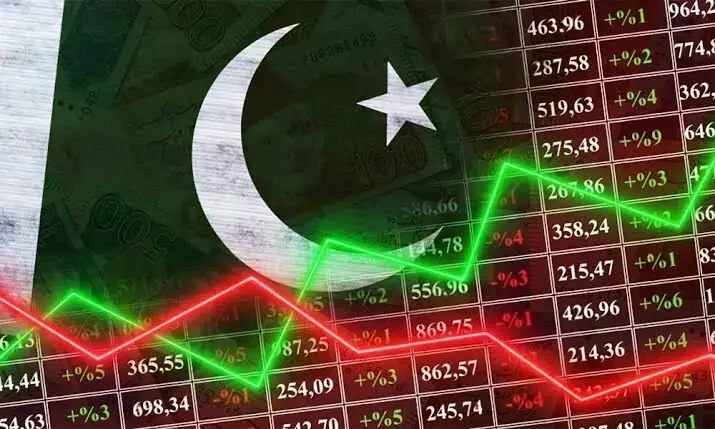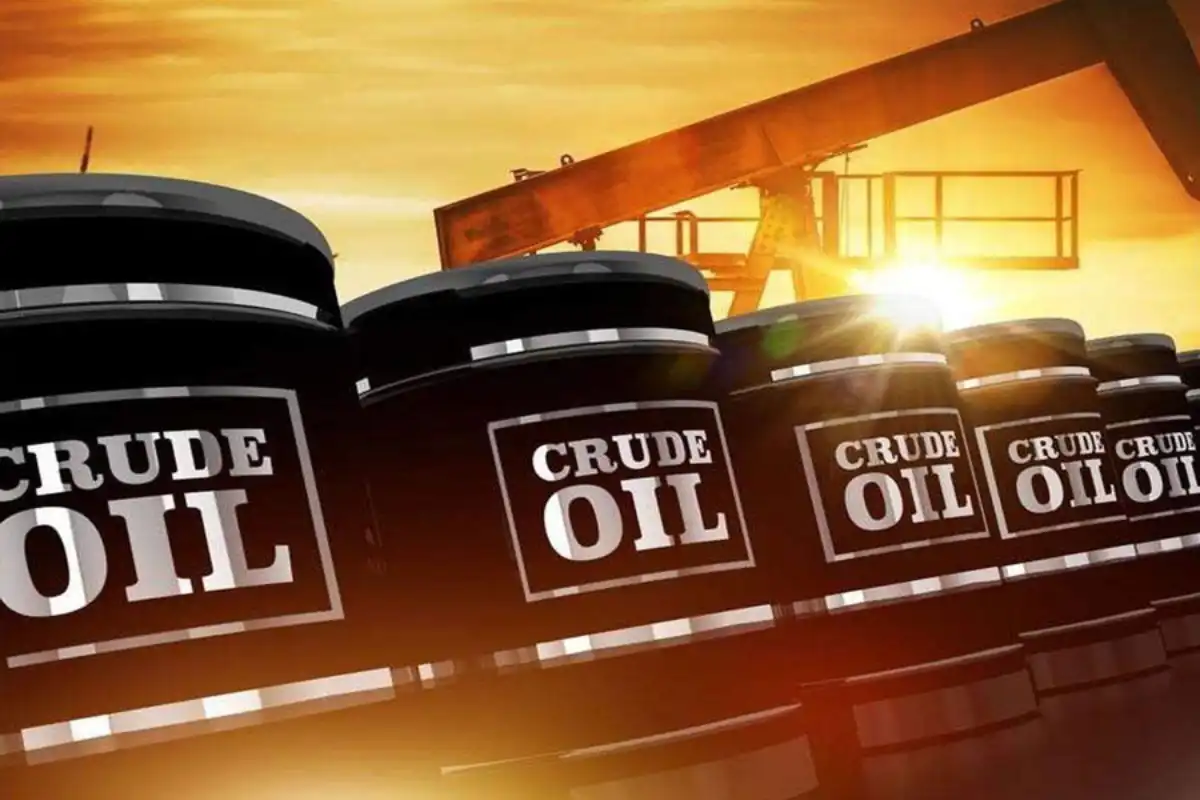
Pakistan fuel prices remain unchanged despite a significant decline in global crude oil prices, leaving many consumers questioning why they are not benefiting from cheaper international energy costs. While crude oil prices have fallen by more than 4.5% in global markets, the government has decided to keep local petrol and diesel prices at their current levels. This decision has sparked debate among consumers, businesses, and industry experts who believe lower international prices should translate into relief at the fuel pump.
Global Oil Prices Continue Their Downward Trend
International crude oil markets have experienced a noticeable decline over the past few days. The latest figures show that US West Texas Intermediate (WTI) crude is trading at $68.65 per barrel, while Brent crude has dropped to $71.52 per barrel. Meanwhile, Abu Dhabi’s Murban crude has also declined to around $67.50 per barrel.
The fall in oil prices comes after global markets stabilized following recent geopolitical tensions in the Middle East. As supply concerns eased, investors became more confident, leading to a steady decline in crude oil prices.
Lower crude prices typically reduce fuel production costs worldwide, creating expectations of lower petrol and diesel prices in many countries.
Fuel Prices in Pakistan Stay the Same
Despite the sharp fall in international oil prices, Pakistan fuel prices will remain unchanged from next week.
According to the latest government announcement:
- Petrol will remain at Rs299.50 per litre
- High-Speed Diesel (HSD) will continue at Rs311.47 per litre
The decision means consumers will not receive immediate relief despite favorable international market conditions.
For many households already dealing with inflation and rising living costs, this announcement has been disappointing.
Experts Believe Prices Could Be Lower
Energy experts argue that current global oil prices provide enough room for significant reductions in local fuel prices.
Based on international crude prices and estimated tax calculations, analysts believe:
- Petrol could be priced at around Rs256.52 per litre
- Diesel could fall to approximately Rs268.55 per litre
These estimates include applicable taxes and duties, suggesting there is still considerable space for price adjustments if the government chooses to pass on the benefits of lower crude prices.
However, no reduction has been announced so far.
Government Explains Its Position
Petroleum Minister Ali Pervaiz Malik defended the government’s decision by highlighting previous reductions in fuel prices.
According to the minister, the government has already reduced:
- Diesel prices by nearly Rs200 per litre over time.
- Petrol prices by around Rs155 per litre during earlier adjustments.
Officials argue that these previous reductions have already provided meaningful relief to consumers and that current pricing decisions consider several economic factors beyond international crude prices.
These include tax revenue requirements, exchange rate fluctuations, and broader fiscal management objectives.
Oil Companies Raise Concerns
Reports indicate that local oil marketing companies requested the government not to announce additional fuel price reductions.
According to industry sources, these companies claim they suffered losses of approximately Rs104 billion due to earlier fuel price adjustments.
The companies argue that repeated price reductions affected inventory values and financial stability. They believe maintaining current prices will help recover some of these losses while ensuring uninterrupted fuel supplies across the country.
Although these claims have influenced public discussion, the government has not officially confirmed whether industry requests played a direct role in the latest pricing decision.
Impact on Consumers and Businesses
The decision to keep Pakistan fuel prices unchanged affects millions of people across the country.
Transport operators, logistics companies, manufacturers, and farmers all rely heavily on fuel for daily operations. Lower diesel prices, in particular, could reduce transportation costs and help bring down the prices of essential goods.
Consumers also expected cheaper petrol to ease household expenses as fuel costs influence commuting, delivery services, and overall inflation.
Without a reduction, businesses may continue facing higher operating costs, which can eventually be passed on to customers through increased prices.
Why Global Prices Do Not Always Match Local Prices
Many people assume that whenever international oil prices fall, domestic fuel prices should decrease immediately. In reality, fuel pricing depends on several factors.
These include:
- Government taxes and petroleum levies
- Exchange rate movements
- Import and freight costs
- Refining and distribution expenses
- Inventory adjustments made by oil companies
As a result, changes in global crude oil prices do not always result in immediate reductions at local fuel stations.
Governments often balance consumer relief with fiscal needs and energy sector stability when making pricing decisions.
Outlook for the Coming Weeks
If international oil prices continue their downward trend, pressure may increase on policymakers to review Pakistan fuel prices in future pricing cycles.
Consumers, transport businesses, and industry representatives will closely watch upcoming government announcements for any signs of relief.
At the same time, authorities must balance public expectations with economic realities, including revenue generation and the financial health of the country’s energy sector.
The recent decline in global crude oil prices has raised hopes for cheaper fuel, but Pakistan fuel prices remain unchanged for now. While international markets continue to offer favorable conditions, local pricing decisions involve multiple economic considerations beyond crude oil costs alone.
As oil prices stabilize globally, many consumers will be hoping that future reviews bring reductions that ease transportation costs, reduce inflationary pressure, and provide much-needed financial relief for households and businesses across Pakistan.