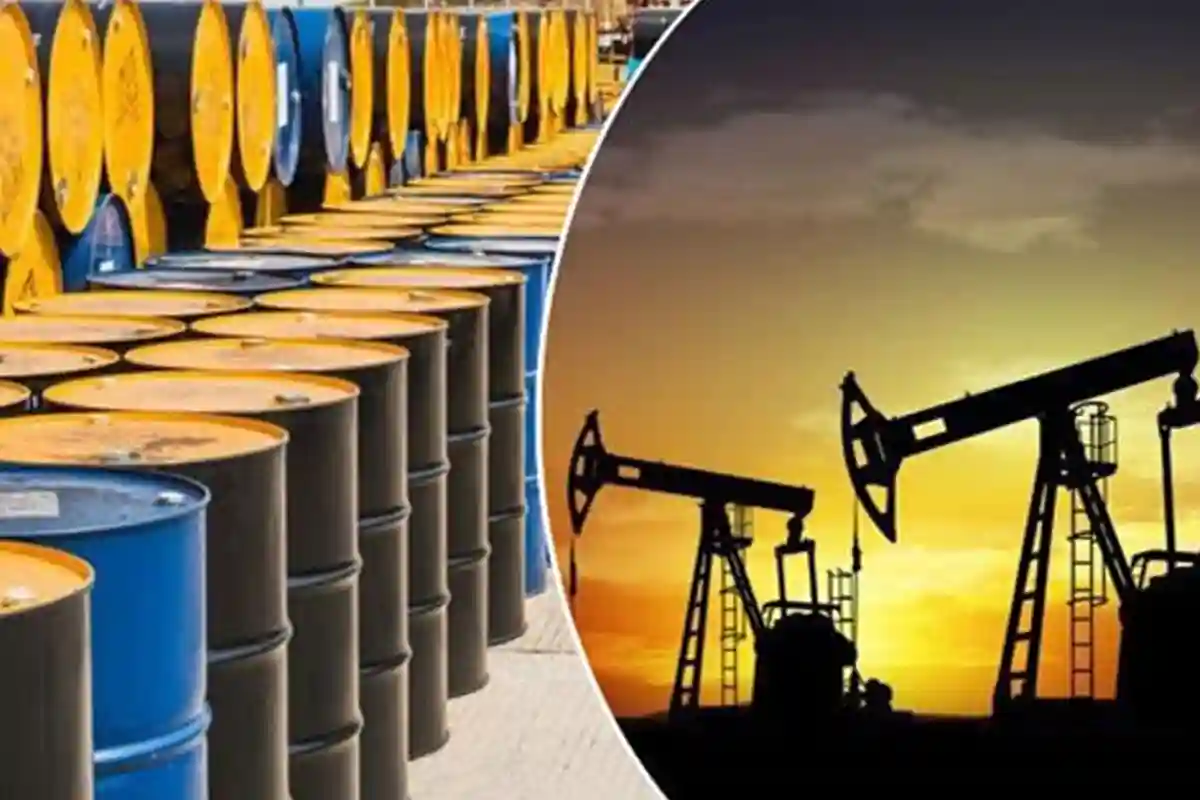
The recent Oil Price Decline in international markets has sparked optimism among governments, businesses, and consumers worldwide. Following positive developments in diplomatic relations between the United States and Iran, global oil prices have dropped significantly, offering potential economic relief across multiple sectors. As energy costs influence almost every aspect of modern economies, the latest decline in crude oil prices could have far-reaching benefits for both developed and developing nations.
According to market reports, the price of US West Texas Intermediate (WTI) crude fell to around $69.28 per barrel, while Brent crude, the global benchmark, declined to approximately $72.50 per barrel. These reductions represent a notable shift in market sentiment and reflect growing confidence that regional tensions may ease in the coming months.
Why Oil Prices Are Falling
The primary factor behind the recent Oil Price Decline is the improving diplomatic atmosphere between the United States and Iran. Investors and traders have responded positively to reports suggesting progress in negotiations and reduced geopolitical uncertainty in the Middle East.
The Middle East remains one of the world’s most important energy-producing regions. Any disruption in oil production or transportation routes can quickly drive prices higher. Conversely, signs of stability often encourage markets and contribute to lower oil prices.
As concerns about supply disruptions decrease, traders become more confident that global energy flows will remain uninterrupted. This confidence has helped push oil prices downward and stabilize energy markets.
Impact on Transportation Costs
One of the most immediate benefits of an Oil Price Decline is reduced transportation expenses. Fuel costs represent a major operational expense for airlines, shipping companies, logistics providers, and public transportation systems.
When oil prices fall, businesses often experience lower fuel bills, allowing them to reduce operating costs. In some cases, these savings may be passed on to consumers through lower transportation and shipping charges.
Airlines, for example, closely monitor oil prices because aviation fuel is one of their largest expenses. A sustained decline in crude oil prices can improve profitability and potentially make air travel more affordable.
Similarly, shipping companies transporting goods across international markets may benefit from reduced fuel costs, helping stabilize supply chains and reduce freight expenses.
Benefits for Manufacturing and Industry
Industrial sectors also stand to gain from the recent Oil Price Decline. Many manufacturing processes depend on energy-intensive operations, and lower energy costs can improve production efficiency.
Factories often use petroleum-based products for manufacturing, transportation, packaging, and distribution. When energy expenses decrease, businesses can allocate resources to expansion, innovation, or workforce development.
Lower production costs may also help companies maintain competitive pricing, benefiting consumers through more affordable goods and services.
For countries heavily dependent on imported energy, falling oil prices can significantly reduce industrial operating expenses and strengthen economic growth.
Relief for Consumers
Consumers are often among the biggest beneficiaries of lower oil prices. Reduced fuel costs can lead to lower transportation expenses, making daily commuting more affordable.
A prolonged Oil Price Decline may also help slow inflation by reducing the cost of transporting goods. Since transportation expenses influence the prices of food, consumer products, and essential services, lower energy costs can contribute to overall price stability.
Households may experience greater purchasing power as spending on fuel decreases. This additional financial flexibility can encourage consumer spending, which is a key driver of economic growth.
In many countries, governments may also face less pressure to subsidize fuel prices, creating opportunities for better allocation of public resources.
Positive Outlook for Global Trade
Global trade depends heavily on affordable energy. The recent Oil Price Decline could support international commerce by reducing shipping and logistics expenses.
Lower transportation costs make it easier for businesses to move products across borders efficiently. This can strengthen trade relationships, improve market competitiveness, and support economic recovery in regions facing financial challenges.
Emerging economies, in particular, may benefit from lower import costs. Many developing nations rely heavily on imported fuel to power transportation networks, industries, and electricity generation.
Reduced energy expenses can improve trade balances and create a more favorable environment for investment and economic expansion.
Challenges and Uncertainties Remain
Despite the positive developments, market analysts caution that oil prices remain sensitive to geopolitical events. While diplomatic progress between the United States and Iran has improved market sentiment, uncertainties still exist.
Energy markets can react quickly to political developments, supply disruptions, or unexpected changes in demand. Therefore, the current Oil Price Decline may continue only if diplomatic efforts remain successful and regional stability is maintained.
Investors will closely monitor future negotiations, production levels, and global economic conditions to assess whether current price trends can be sustained.
The recent Oil Price Decline represents encouraging news for the global economy. Lower crude oil prices are already providing relief to transportation companies, manufacturers, businesses, and consumers around the world. Reduced energy costs can support economic growth, improve trade activity, and help control inflation in many countries.
While uncertainties remain, the current trend highlights how diplomatic progress and regional stability can positively influence global markets. If favorable conditions continue, lower oil prices could contribute to stronger economic performance and improved financial conditions for businesses and households alike.